ayudé
“ayudé” means “I helped” in Spanish (past completed action).
I helped
Also: I assisted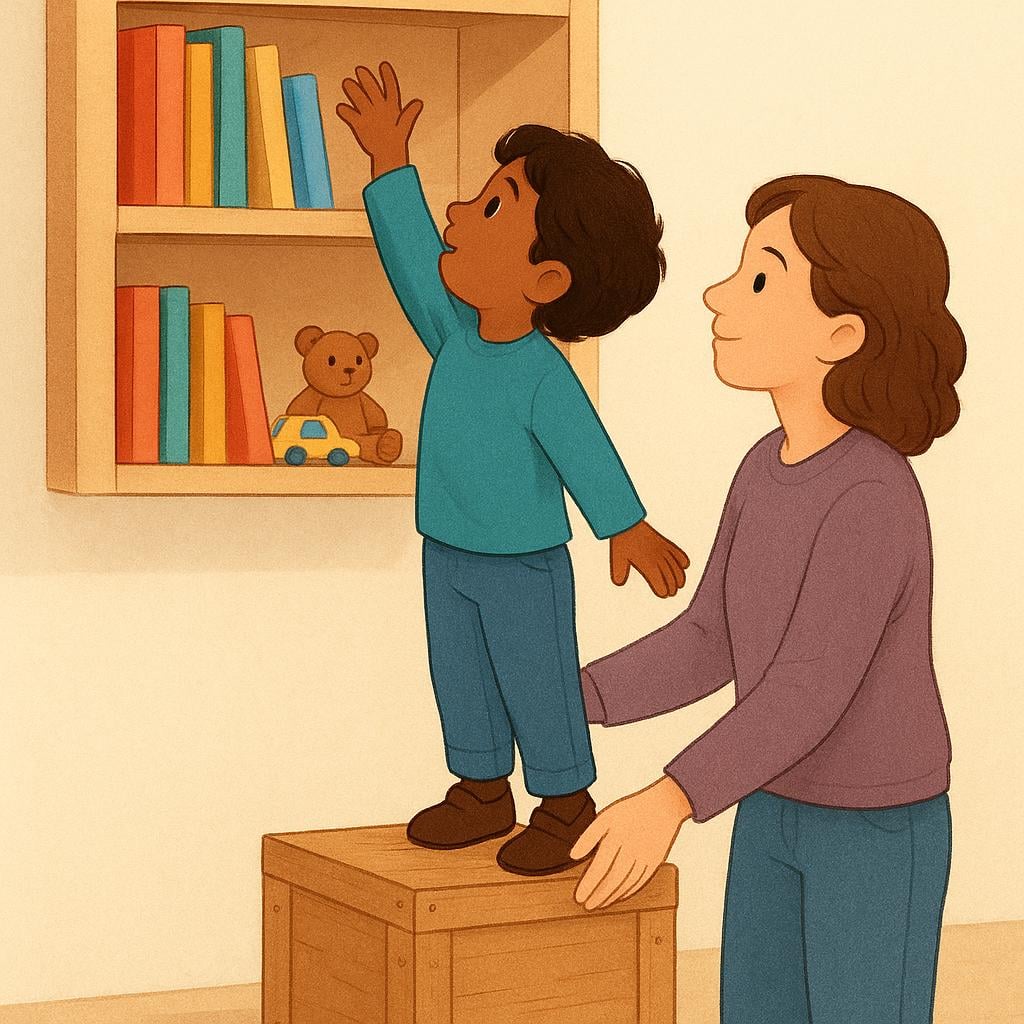
📝 In Action
Ayer, yo ayudé a mi vecino con sus cajas pesadas.
A1Yesterday, I helped my neighbor with his heavy boxes.
Cuando me llamaste, ya había ayudé a mi hermano a estudiar.
A2When you called me, I had already helped my brother study.
Con un poco de esfuerzo, ayudé a que el proyecto terminara a tiempo.
B1With a bit of effort, I helped the project finish on time.
🔄 Conjugations
indicative
present
preterite
imperfect
subjunctive
present
imperfect
Translate to Spanish
✏️ Quick Practice
Quick Quiz: ayudé
Question 1 of 2
Which sentence correctly uses 'ayudé'?
📚 More Resources
👥 Word Family▼
📚 Etymology▼
This word comes from the Latin verb *adiūtāre*, meaning 'to help, assist, or support.' The root is very old and related to the concept of 'coming to the aid of' someone.
First recorded: Medieval Latin period
Cognates (Related words)
💡 Master Spanish
Take your Spanish to the next level. Read 200+ illustrated and narrated Spanish stories tailored to your level with the Inklingo app!
Frequently Asked Questions
Why does 'ayudé' have an accent mark?
The accent mark on the 'e' is essential to show that the stress falls on the last syllable, which is the standard pattern for the 'yo' form of regular -ar verbs in the simple past tense (preterite). It helps you pronounce it correctly (ah-yoo-DEH) and tells the listener exactly when the action happened.
If I want to say 'He helped,' what word should I use?
You would use 'ayudó' (with an accent on the final 'o'). Remember, the simple past tense forms for 'yo' and 'él/ella/usted' both have accents to mark the completion of the action.