barro
“barro” means “mud” in Spanish. It has 2 different meanings depending on context:

mud, clay
Also: mire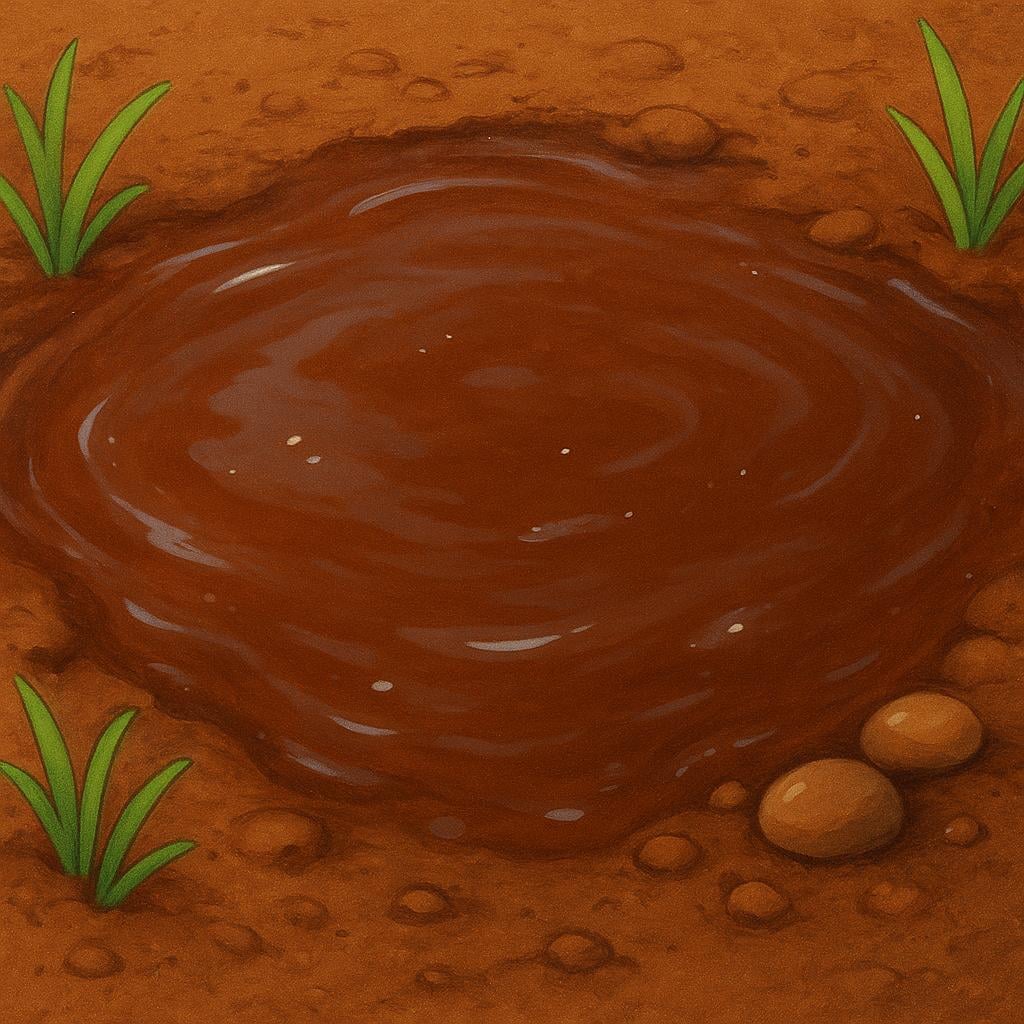
📝 In Action
Después de la tormenta, el camino estaba lleno de barro.
A1After the storm, the road was full of mud.
Usaron barro rojo para hacer las tejas del techo.
A2They used red clay to make the roof tiles.
Tuvimos que limpiar el barro de nuestras botas al entrar a la casa.
A1We had to clean the mud off our boots when entering the house.
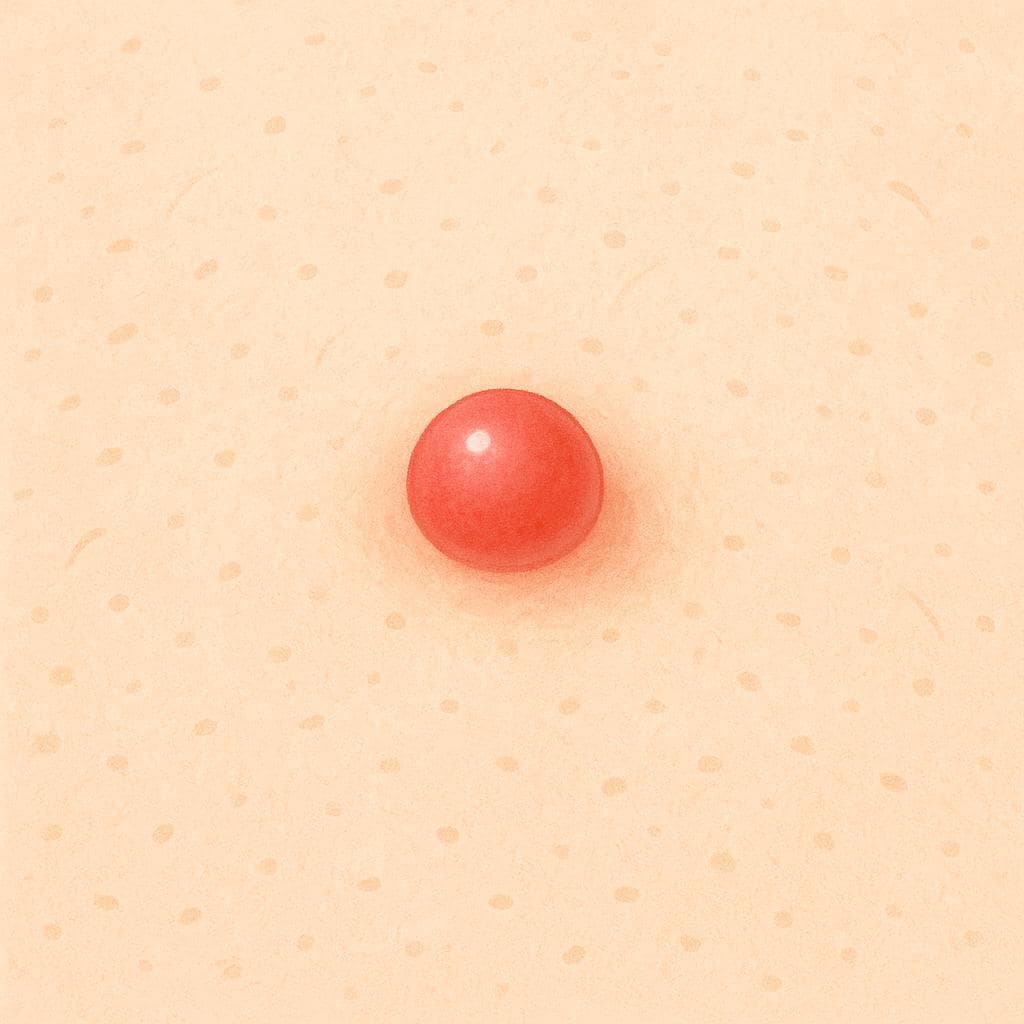
pimple
Also: acne spot, zit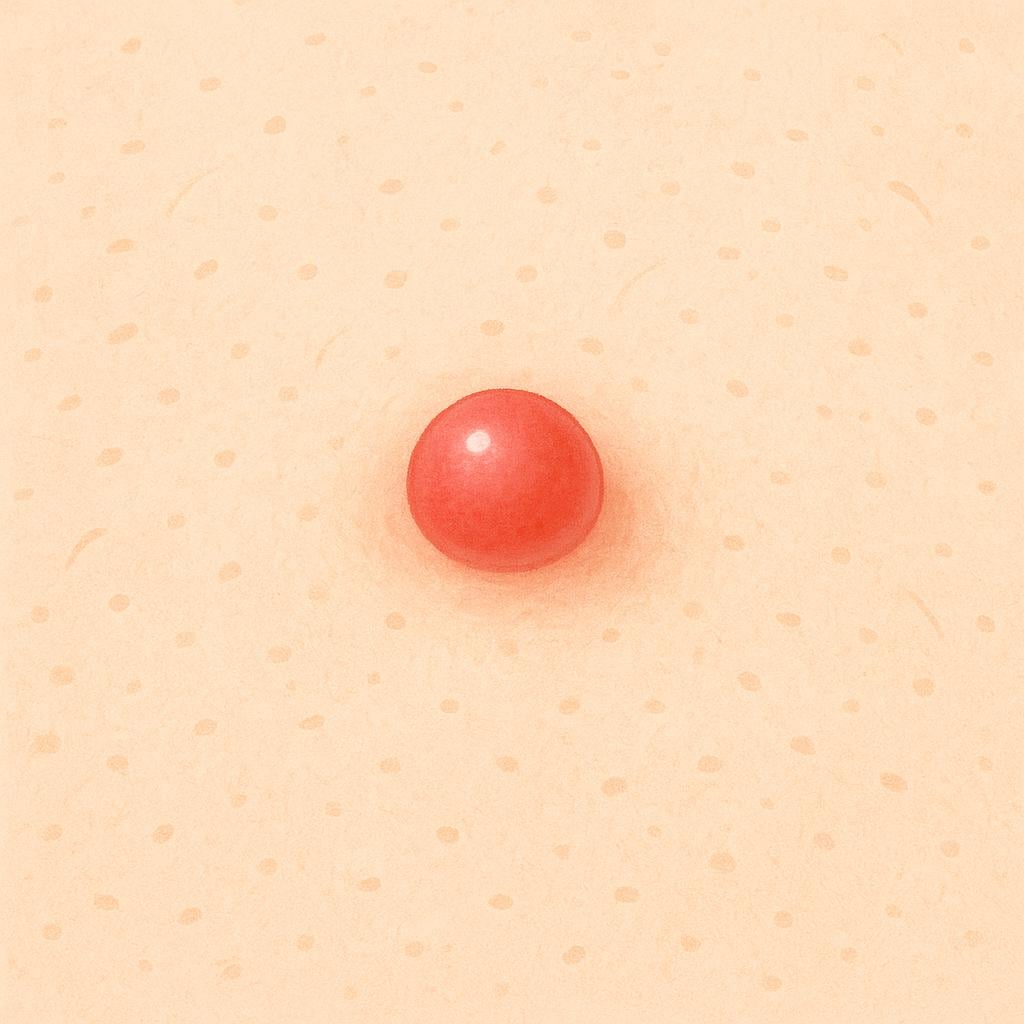
📝 In Action
Me salió un barro enorme en la barbilla justo antes de la fiesta.
B1I got a huge pimple on my chin right before the party.
Ella usa una crema especial para combatir los barros y el acné.
B2She uses a special cream to fight pimples and acne.
✏️ Quick Practice
Quick Quiz: barro
Question 1 of 1
Which sentence uses 'barro' to mean a skin imperfection?
📚 More Resources
👥 Word Family▼
🎵 Rhymes▼
📚 Etymology▼
The word 'barro' comes from the Iberian Peninsula, likely stemming from a pre-Roman root *barrum, meaning 'mud' or 'wet earth.' It has been used in Spanish since the Middle Ages to describe this fundamental material.
First recorded: 13th century (documented)
Cognates (Related words)
💡 Master Spanish
Take your Spanish to the next level. Read 200+ illustrated and narrated Spanish stories tailored to your level with the Inklingo app!
Frequently Asked Questions
Is 'barro' the same as 'tierra'?
No. 'Tierra' means dry dirt or soil. 'Barro' specifically means earth that is mixed with water, making it wet and soft (mud or clay).
Why does 'barro' mean 'pimple' in some countries?
This is a figurative extension. Because acne blemishes often look like small, raised spots of dirt or a pasty substance, the word for 'mud' or 'clay' was adopted informally in regions like Mexico and Central America to describe them.