besos
“besos” means “kisses” in Spanish. It has 2 different meanings depending on context:


kisses
Also: pecks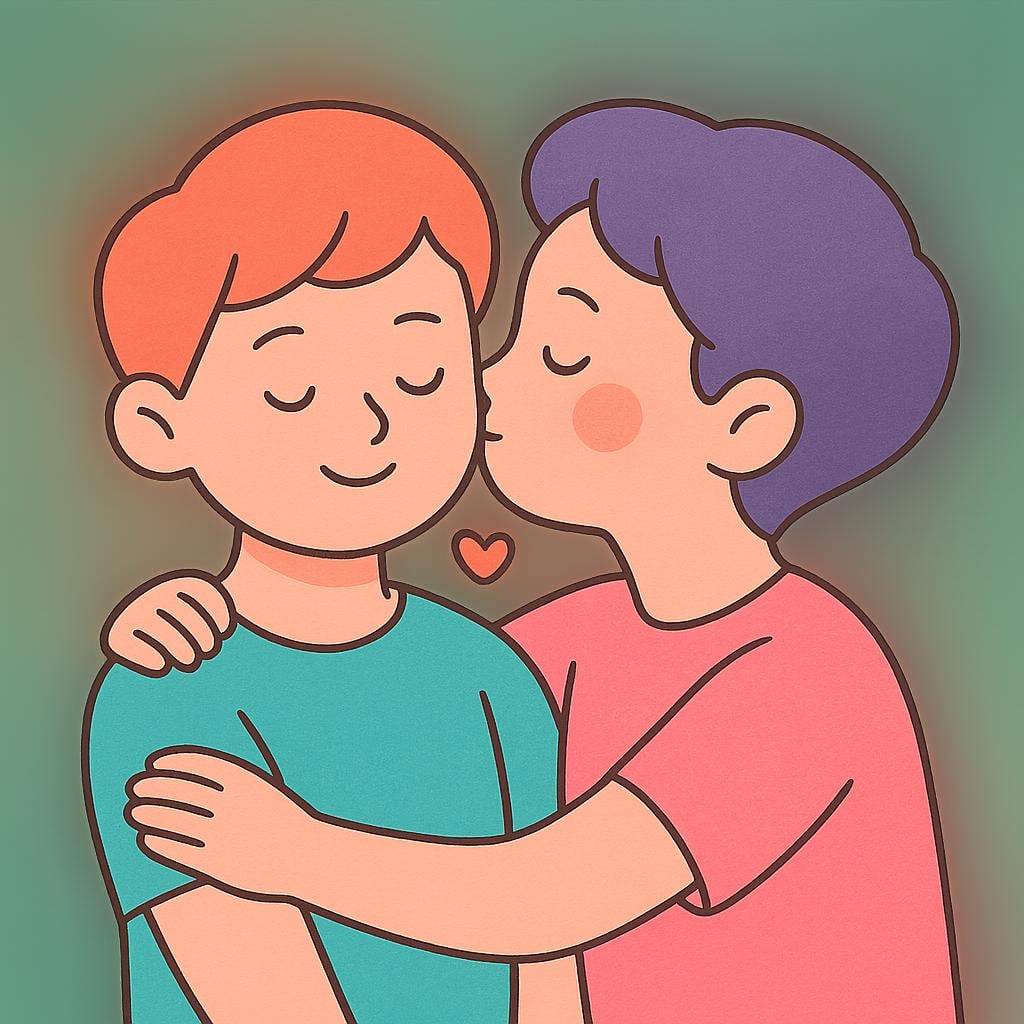
📝 In Action
En España, nos saludamos con dos besos en la mejilla.
A1In Spain, we greet each other with two kisses on the cheek.
Le dio muchos besos al bebé antes de irse a trabajar.
A2She gave the baby many kisses before leaving for work.
love, cheers
Also: hugs and kisses
📝 In Action
Nos vemos el sábado. Muchos besos, Ana.
A2See you Saturday. Love, Ana.
Te escribo pronto. Un beso enorme para ti y tu familia.
B1I'll write to you soon. Huge love for you and your family.
✏️ Quick Practice
Quick Quiz: besos
Question 1 of 2
Which English sign-off is the best translation for 'Muchos besos' at the end of a text message?
📚 More Resources
👥 Word Family▼
🎵 Rhymes▼
📚 Etymology▼
Comes from the Latin word *basium*, which meant 'kiss.' It displaced the older Latin word for a kiss, *osculum*, giving us the modern Spanish form.
First recorded: 10th century (in related forms)
Cognates (Related words)
💡 Master Spanish
Take your Spanish to the next level. Read 200+ illustrated and narrated Spanish stories tailored to your level with the Inklingo app!
Frequently Asked Questions
When should I use 'un beso' (singular) versus 'besos' (plural) in writing?
Both are common in informal closings. 'Un beso' or 'Un besito' feels slightly more personal or intimate, while 'Besos' or 'Muchos besos' is a standard, friendly closing to multiple people or a group.
Is it okay for a man to sign off a message to another man with 'besos'?
Yes, absolutely, if they are good friends or family. In Spanish-speaking cultures, affection between friends and family, regardless of gender, is often expressed through 'besos' (kisses/love) in greetings and closings.