bichos
“bichos” means “bugs” in Spanish. It has 2 different meanings depending on context:
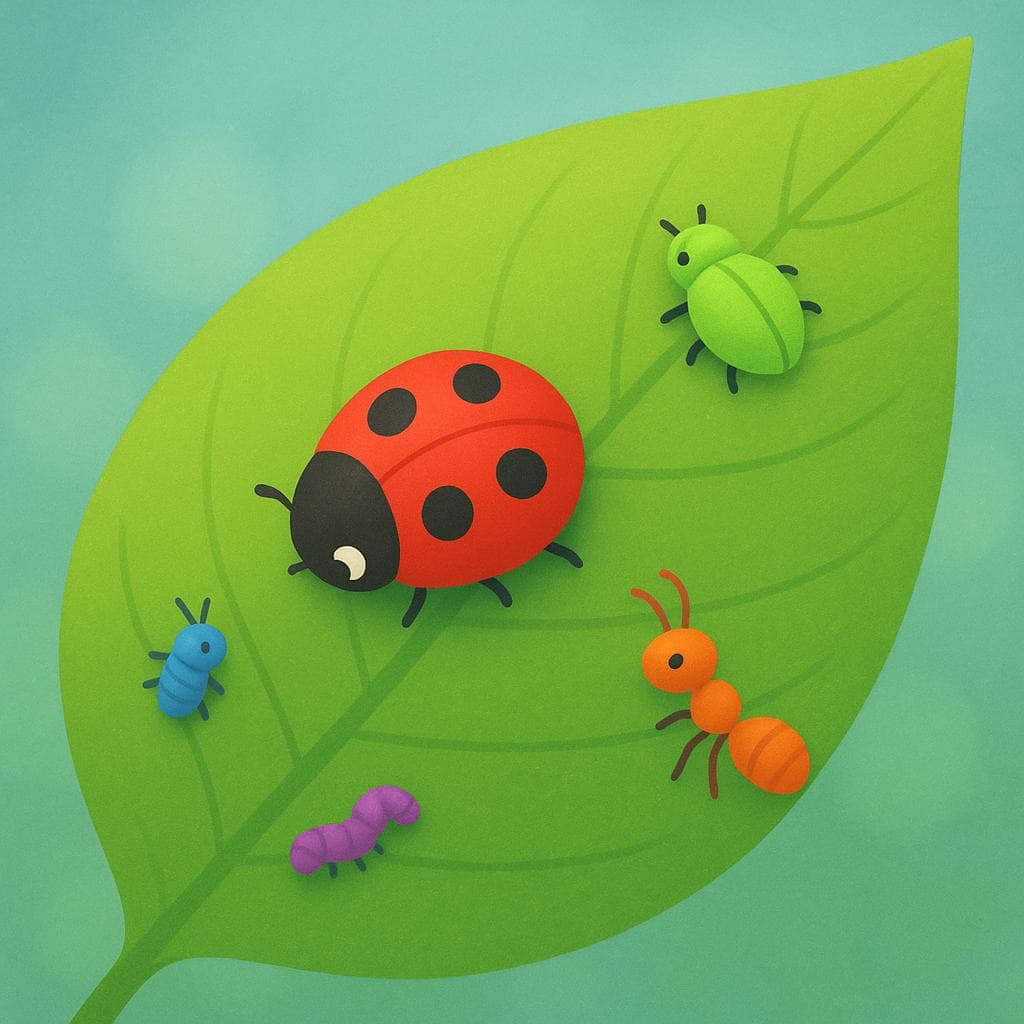
bugs, crittersAlso: insects

📝 In Action
Hay muchos bichos en el jardín durante el verano.
A2There are many bugs in the garden during the summer.
¡Cuidado! No pises esos bichos.
A2Watch out! Don't step on those critters.
Word Connections
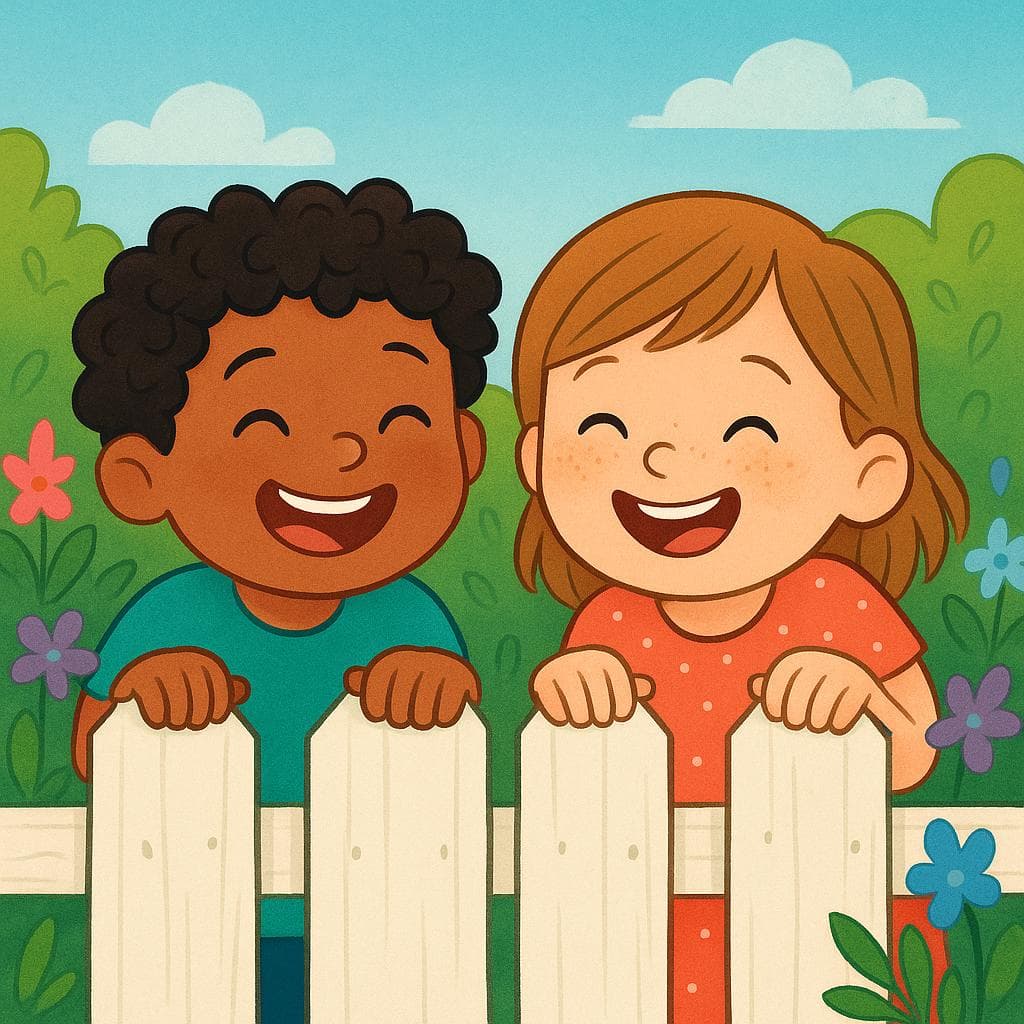
rascals, little monstersAlso: pests

📝 In Action
Tus hijos son unos bichos, no paran quietos.
B1Your kids are such rascals; they don't sit still.
Word Connections
Translate to Spanish
✏️ Quick Practice
Quick Quiz: bichos
Question 1 of 2
If someone calls a child 'un bicho', what do they most likely mean?
📚 More Resources
👥 Word Family
🎵 Rhymes
📚 Etymology
Likely from the Latin word 'bestius', which meant 'beast'. Over hundreds of years, the meaning shrank from describing large animals to describing tiny insects.
First recorded: 15th century
Cognates (Related words)
💡 Master Spanish
Take your Spanish to the next level. Read 200+ illustrated and narrated Spanish stories tailored to your level with the Inklingo app!
Frequently Asked Questions
Is 'bichos' always a bad thing to say?
Not at all! When referring to insects, it's totally neutral. When referring to kids, it's often used in a joking or slightly frustrated way, similar to calling someone a 'handful'.
What is a 'bicho raro'?
It's the Spanish equivalent of calling someone an 'oddball' or a 'weirdo', but it's not always an insult—sometimes it's just used for someone who is unique.