botín
“botín” means “ankle boot” in Spanish. It has 2 different meanings depending on context:
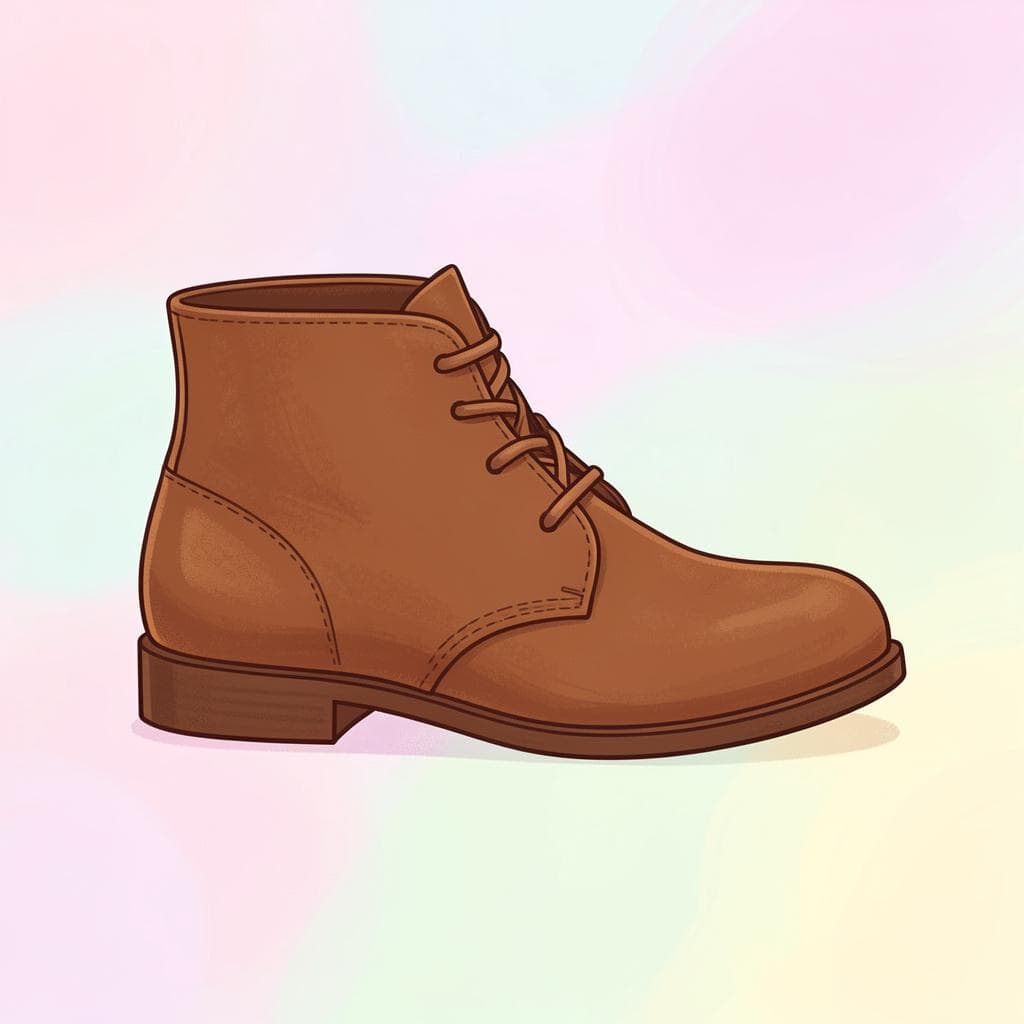

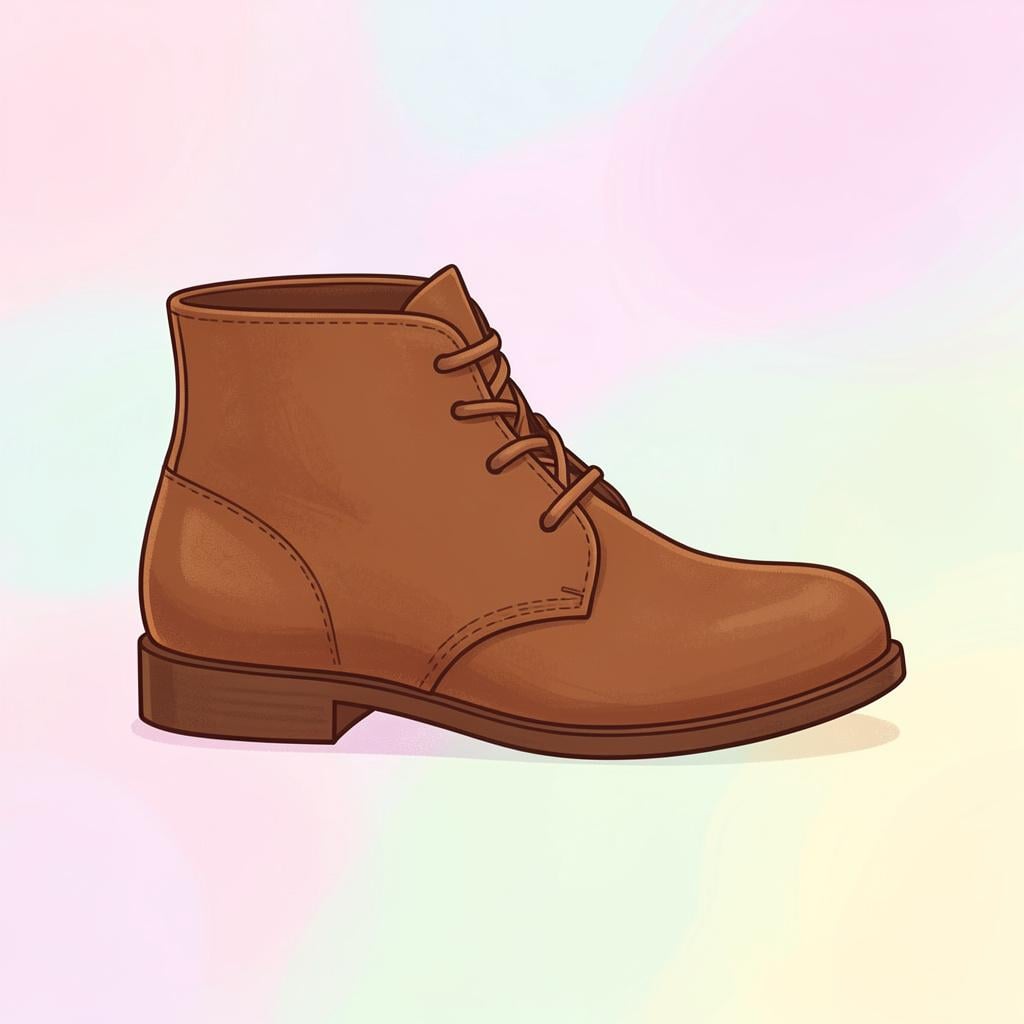
ankle bootAlso: bootie
📝 In Action
Me compré unos botines negros para el invierno.
A2I bought some black ankle boots for the winter.
Estos botines de piel son muy cómodos.
B1These leather ankle boots are very comfortable.
Word Connections
lootAlso: booty, haul

📝 In Action
Los ladrones escaparon con un botín de un millón de euros.
B2The thieves escaped with a haul of one million euros.
Los piratas se repartieron el botín en la isla.
B1The pirates split the loot on the island.
Word Connections
Translate to Spanish
Words that translate to "botín" in Spanish:
✏️ Quick Practice
Quick Quiz: botín
Question 1 of 2
If you are shopping for stylish shoes that cover your ankles, what are you looking for?
📚 More Resources
👥 Word Family
🎵 Rhymes
📚 Etymology
The word for the shoe comes from 'bota' plus the ending '-ín,' which makes things smaller. The word for 'loot' comes from the Old French word 'butin,' which originally meant 'to share out' or 'divide' things taken in war.
First recorded: 13th century
Cognates (Related words)
💡 Master Spanish
Take your Spanish to the next level. Read 200+ illustrated and narrated Spanish stories tailored to your level with the Inklingo app!
Frequently Asked Questions
Is 'botín' the same as 'booty' in English slang?
Not exactly. While it means 'booty' in the sense of pirate treasure or stolen goods, it does not refer to the human body like the English slang term does.
Can I use 'botín' for high-knee boots?
No, for boots that go up to the knee or higher, you should use the word 'bota.' 'Botín' is strictly for ankle-height footwear.