brazos
“brazos” means “arms” in Spanish. It has 3 different meanings depending on context:
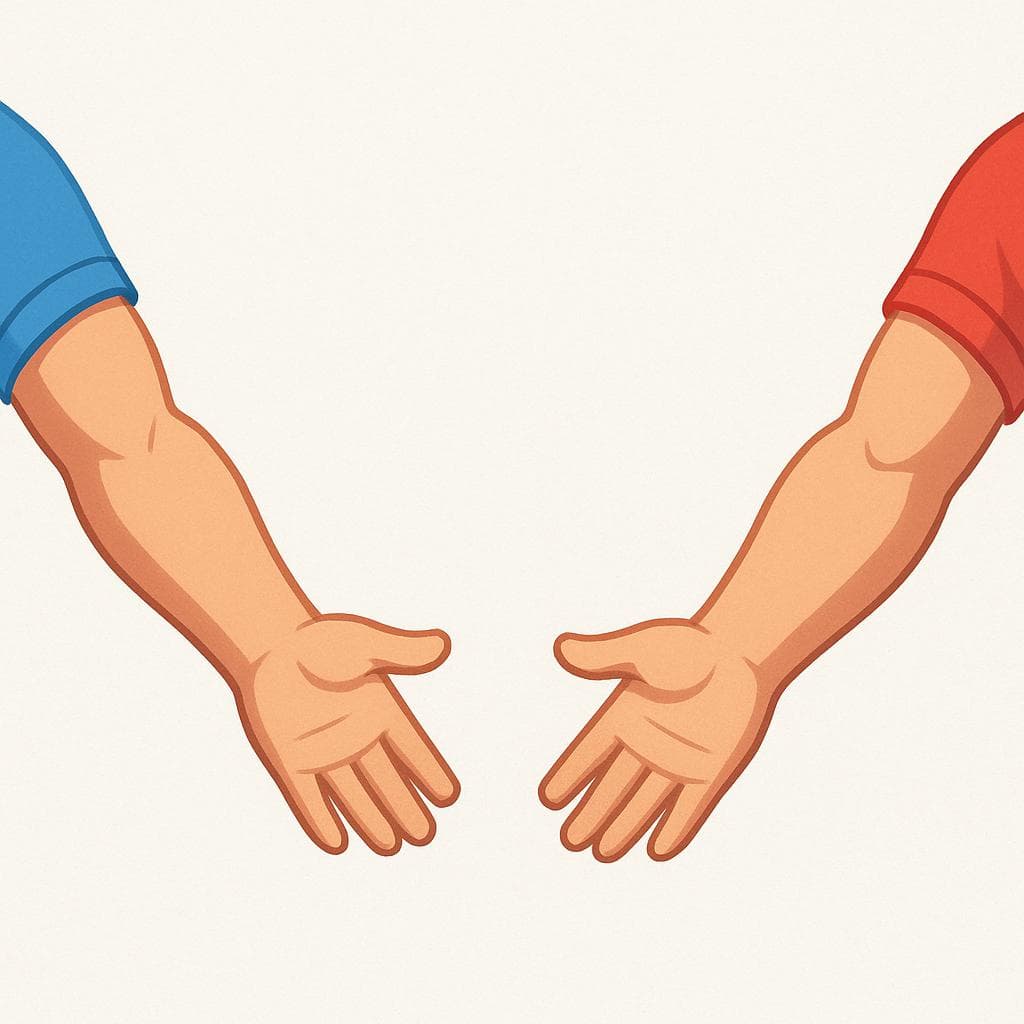


arms
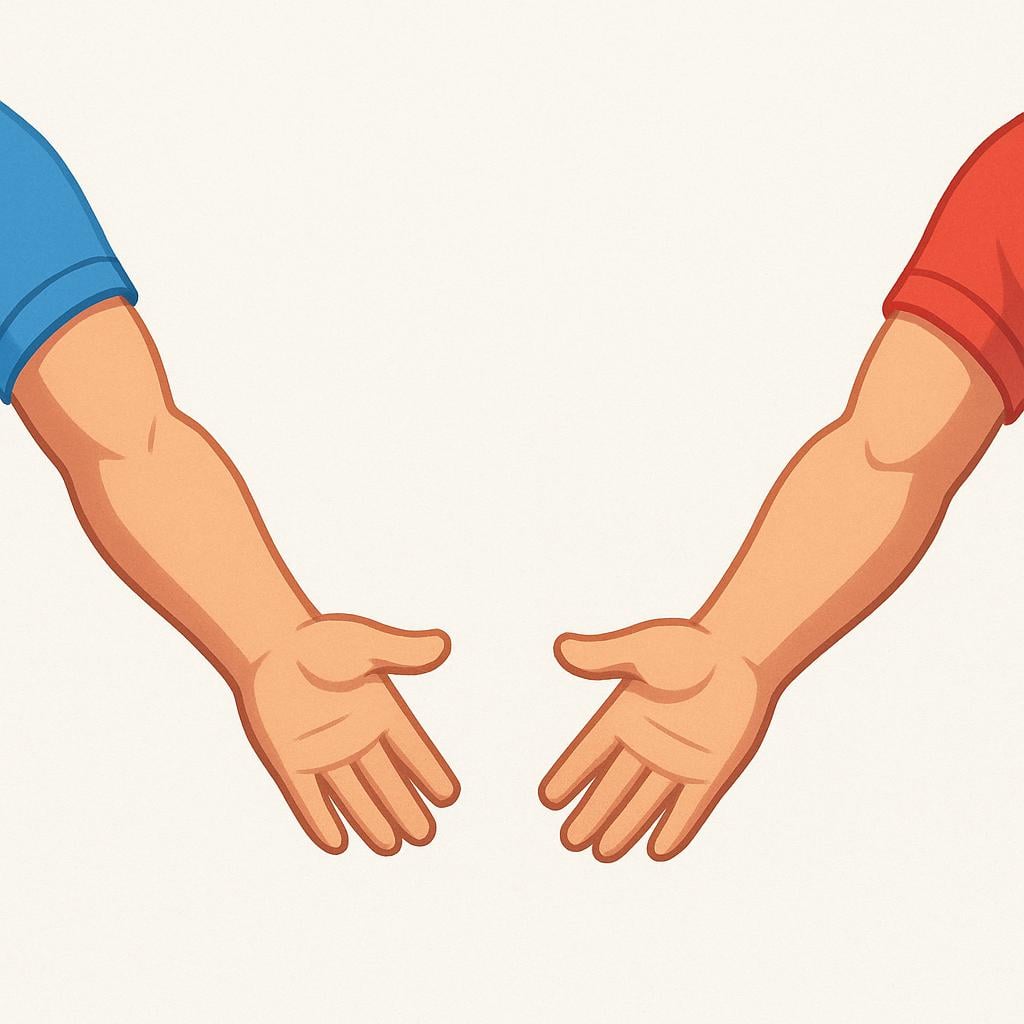
📝 In Action
Necesitas estirar los brazos antes de nadar.
A1You need to stretch your arms before swimming.
Tenía muchos paquetes en los brazos y no podía abrir la puerta.
A2She had many packages in her arms and couldn't open the door.
Word Connections
embraceAlso: power

📝 In Action
Encontró consuelo en los brazos de su abuela.
B1She found comfort in her grandmother's embrace (or arms).
La joven cayó en los brazos de la delincuencia.
B2The young woman fell into the grasp (or power) of crime.
Word Connections
branchesAlso: support rods, sections

📝 In Action
El delta del río se divide en varios brazos antes de llegar al mar.
B2The river delta divides into several branches before reaching the sea.
Tuvimos que reemplazar los brazos de la grúa hidráulica.
C1We had to replace the support arms of the hydraulic crane.
Word Connections
Translate to Spanish
✏️ Quick Practice
Quick Quiz: brazos
Question 1 of 1
Which sentence uses 'brazos' in its most common, literal sense?
📚 More Resources
👥 Word Family
📚 Etymology
Comes from the Latin word *bracchium*, which meant 'arm'. It is a very ancient word related to physical strength and support.
First recorded: 10th century (in Old Spanish)
Cognates (Related words)
💡 Master Spanish
Take your Spanish to the next level. Read 200+ illustrated and narrated Spanish stories tailored to your level with the Inklingo app!
Frequently Asked Questions
Does 'brazos' ever mean 'a hug'?
Yes, indirectly. While the direct translation for 'hug' is 'abrazo' (singular), 'brazos' is used in phrases like 'recibir en sus brazos' (to receive in one's arms), which strongly implies a comforting embrace.
How do I know when to use 'los brazos' versus 'mis brazos'?
When talking about pain, injury, or basic actions involving your own arms, use 'los brazos' along with a pronoun like 'me' or 'te' (Me rompí los brazos, Te lavas los brazos). This is the standard Spanish way for body parts, whereas 'mis brazos' is usually reserved for emphasis or when the arms are detached from the body (e.g., 'Mis brazos son más largos que los tuyos').