cabe
“cabe” means “fits” in Spanish. It has 2 different meanings depending on context:
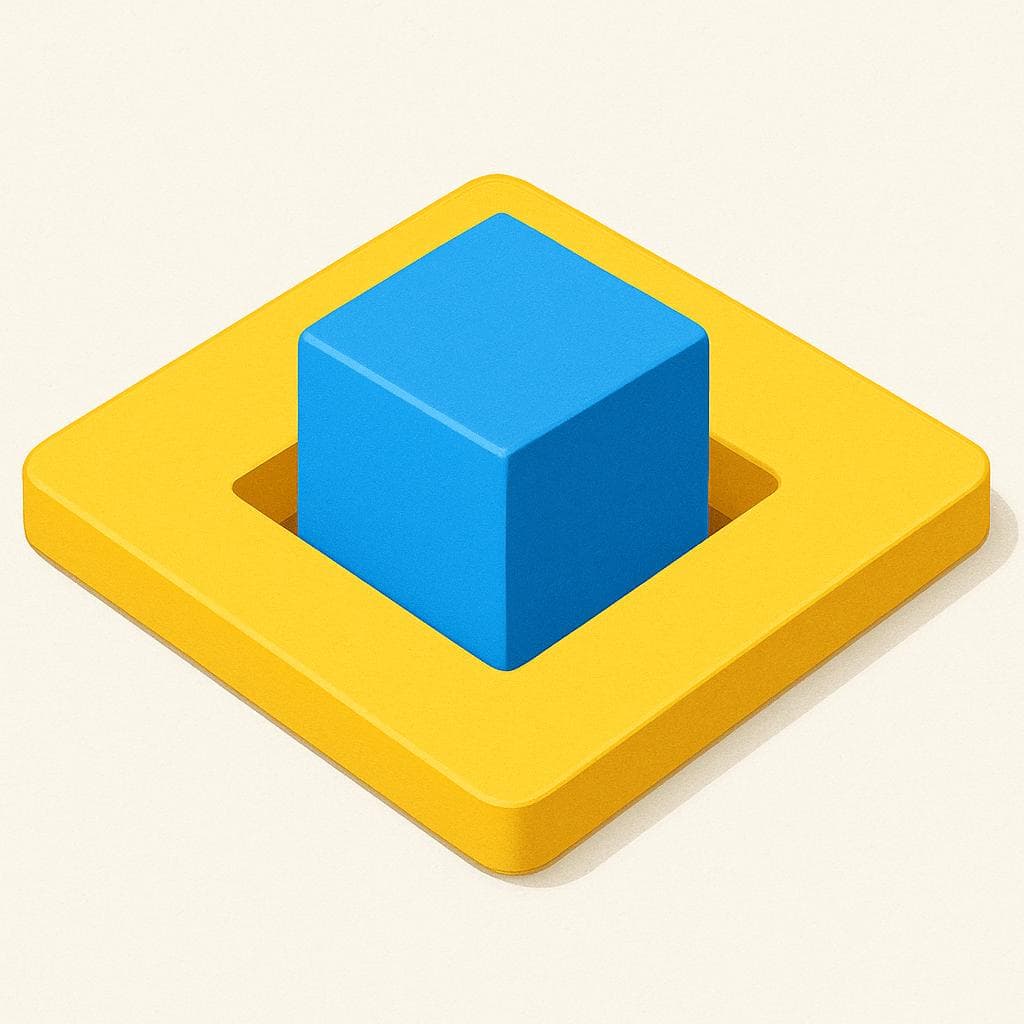


📝 In Action
Mi coche no cabe en ese espacio tan pequeño.
A2My car doesn't fit in that small space.
¿Cuánta gente cabe en la sala de reuniones?
B1How many people fit in the meeting room?
La botella cabe justo en el estante superior.
A2The bottle fits right on the top shelf.
Word Connections

📝 In Action
No cabe duda de su inocencia.
B1There is no doubt of his innocence. (Literally: Doubt does not fit.)
Cabe la posibilidad de que lleguen tarde.
B2The possibility exists that they will arrive late. (Literally: The possibility fits.)
En este argumento no cabe otra interpretación.
C1Another interpretation is not possible in this argument.
Word Connections
Indicative
Present
Imperfect
Preterite
Subjunctive
Present Subjunctive
Imperfect Subjunctive
Translate to Spanish
Words that translate to "cabe" in Spanish:
✏️ Quick Practice
Quick Quiz: cabe
Question 1 of 2
Which sentence uses 'cabe' in its literal sense of physical capacity?
📚 More Resources
👥 Word Family
🎵 Rhymes
📚 Etymology
Comes from the Latin verb *capere*, meaning 'to take, seize, or contain.' The Spanish meaning evolved to focus specifically on the idea of containment and capacity.
First recorded: Before the 10th century
Cognates (Related words)
💡 Master Spanish
Take your Spanish to the next level. Read 200+ illustrated and narrated Spanish stories tailored to your level with the Inklingo app!
Frequently Asked Questions
Why is 'cabe' so irregular, especially in the 'yo' form?
The verb 'caber' is highly irregular because it inherited two different root sounds from Latin. To make the 'yo' form easier to say quickly, the irregular 'quepo' was developed, following a pattern seen in other old irregular verbs like 'saber' (sé) and 'haber' (he).
Can I use 'cabe' to mean 'it's possible' in casual conversation?
Yes, but it often sounds slightly formal or academic. In very casual speech, you might hear 'es posible' or 'puede ser' more often. However, the idiom 'No cabe duda' (There is no doubt) is used everywhere.