cabezas
“cabezas” means “heads” in Spanish. It has 2 different meanings depending on context:
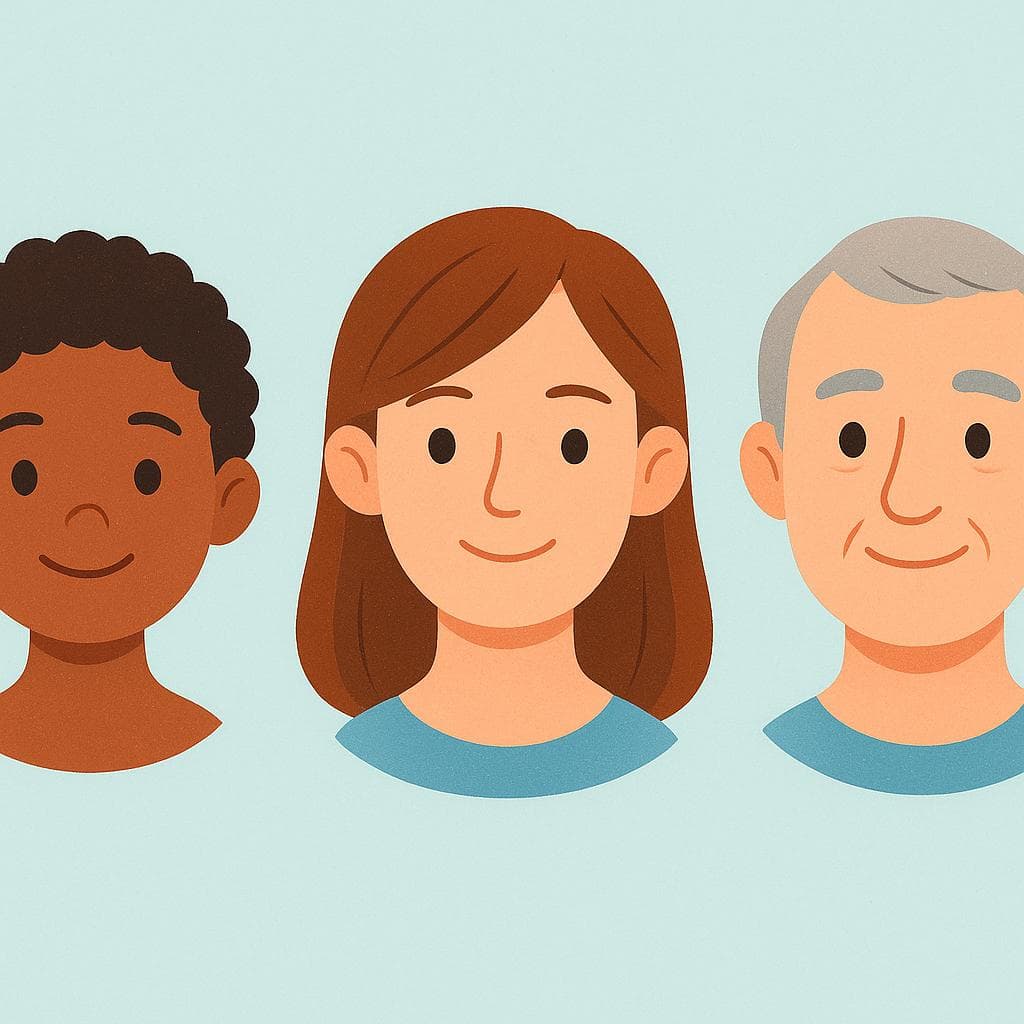
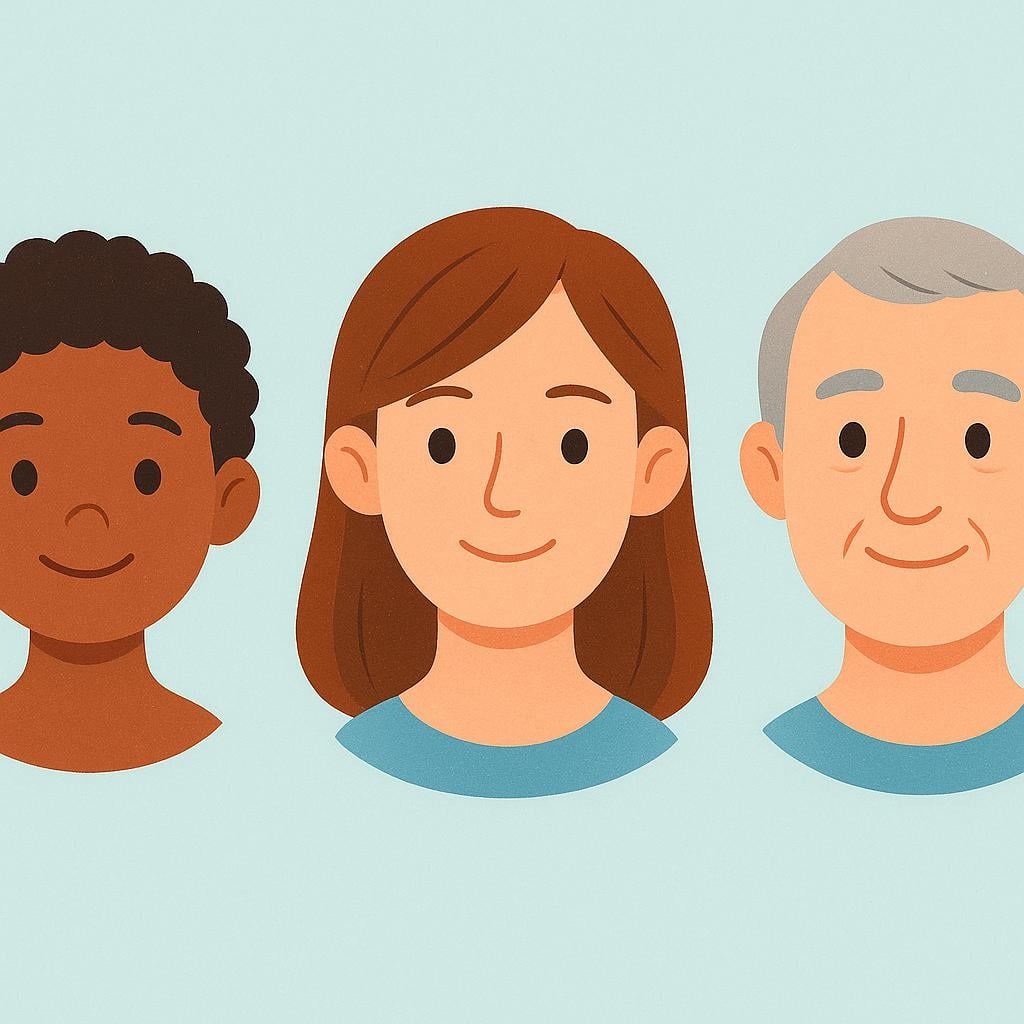
headsAlso: leaders, units
📝 In Action
Necesitamos tres cabezas para cargar la mesa.
A2We need three people/heads to carry the table.
Las cabezas de la organización se reunirán mañana.
B1The leaders of the organization will meet tomorrow.
El granjero cuenta con veinte cabezas de ganado.
B2The farmer has twenty head of cattle.
Word Connections
you headAlso: you butt
📝 In Action
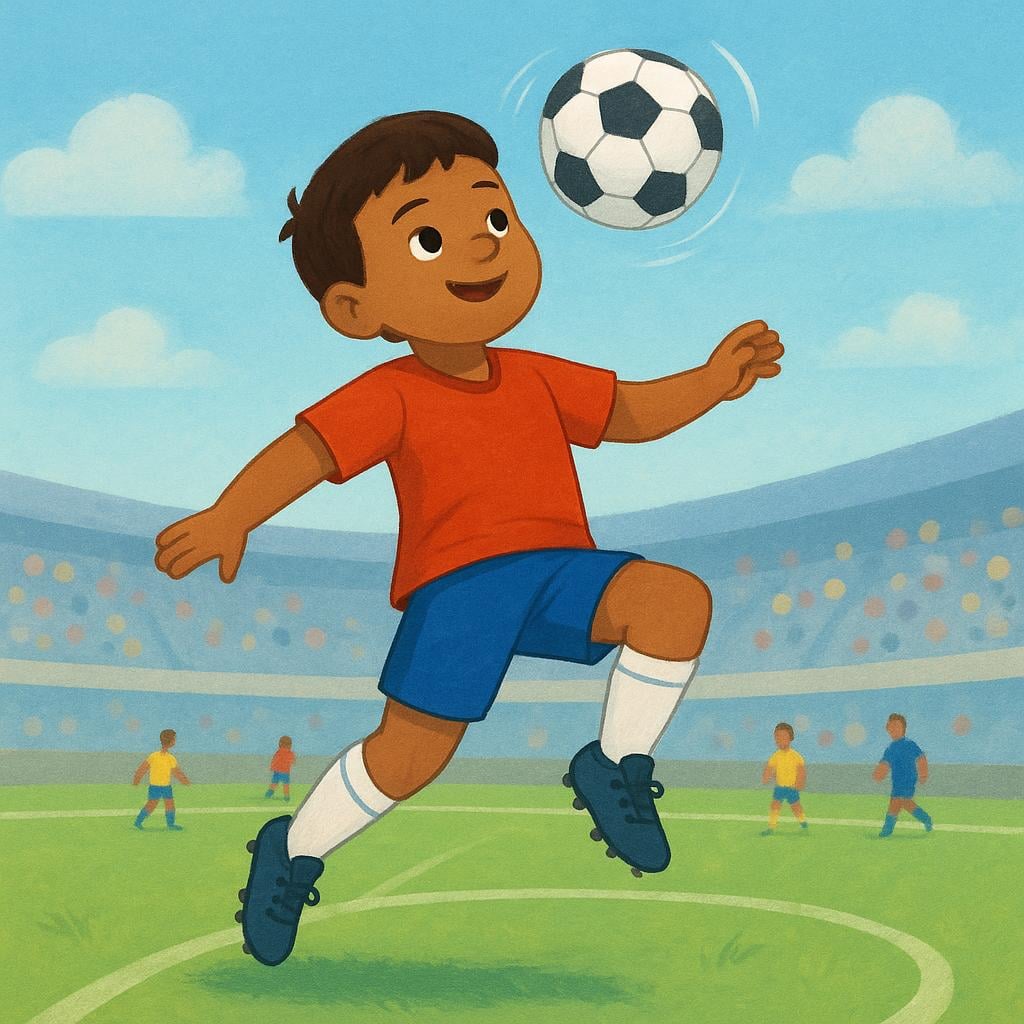
Si cabezas el balón con fuerza, marcarás un gol.
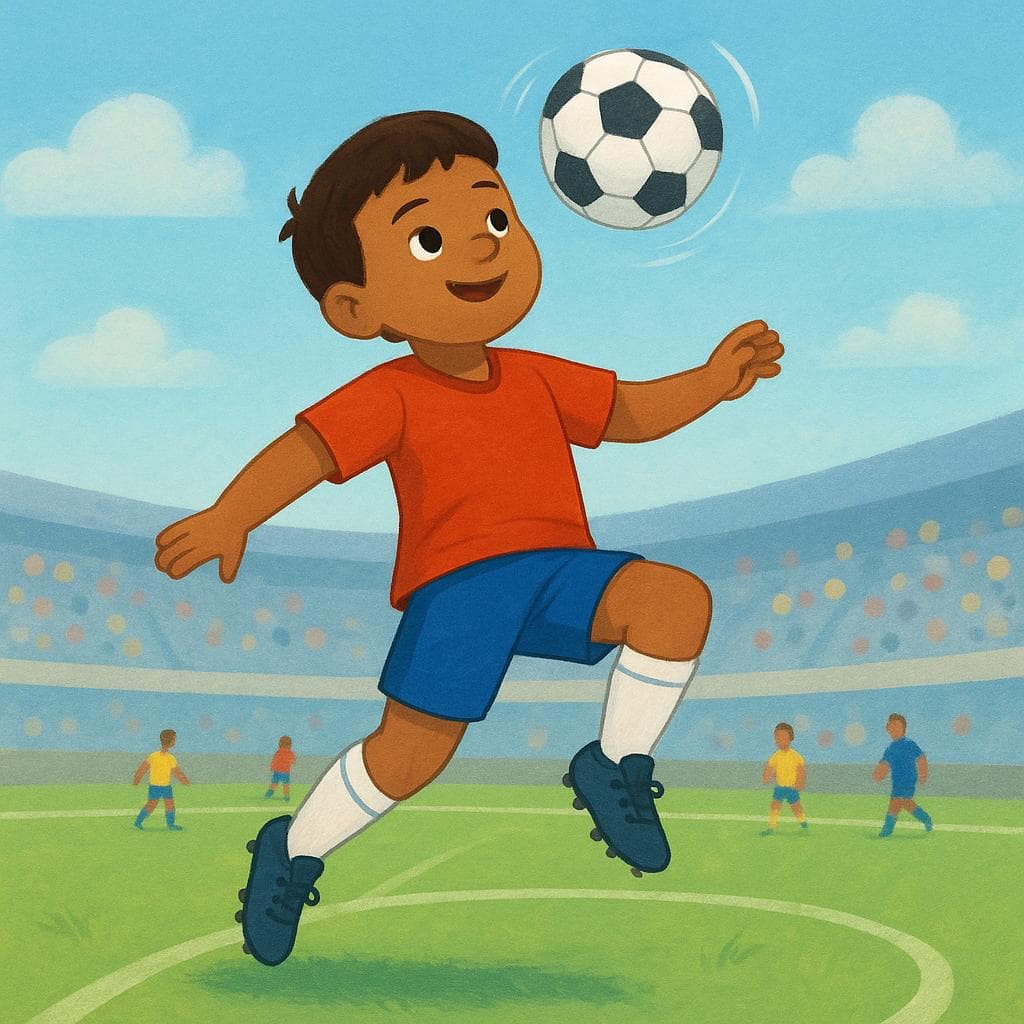
B1If you head the ball hard, you will score a goal.
No cabezas bien; usa la frente, no la coronilla.
B2You aren't heading well; use your forehead, not the crown of your head.
Indicative
Present
Imperfect
Preterite
Subjunctive
Present Subjunctive
Imperfect Subjunctive
✏️ Quick Practice
Quick Quiz: cabezas
Question 1 of 2
Which sentence uses 'cabezas' to mean 'leaders'?
📚 More Resources
👥 Word Family
📚 Etymology
Comes directly from the Latin word 'capitia,' which was the plural form of 'caput' (head), but in Vulgar Latin, 'capitia' started being used as the singular word for 'head.'
First recorded: Around the 10th century (as 'cabeza')
Cognates (Related words)
💡 Master Spanish
Take your Spanish to the next level. Read 200+ illustrated and narrated Spanish stories tailored to your level with the Inklingo app!
Frequently Asked Questions
Why is 'cabezas' feminine if it can refer to men?
The word 'cabeza' (head) is inherently a feminine noun. When you use its plural form 'cabezas' to mean 'leaders' or 'people,' the noun's gender doesn't change, regardless of the gender of the individuals being referred to.
How do I know if 'cabezas' is a noun or a verb in a sentence?
If it is preceded by an article (like 'las' or 'unas'), it is the plural noun. If it is preceded by the pronoun 'tú' (or implied 'tú') and refers to an action, it is the verb form (e.g., 'Tú cabezas el balón').