caigo
“caigo” means “I fall” in Spanish. It has 3 different meanings depending on context:
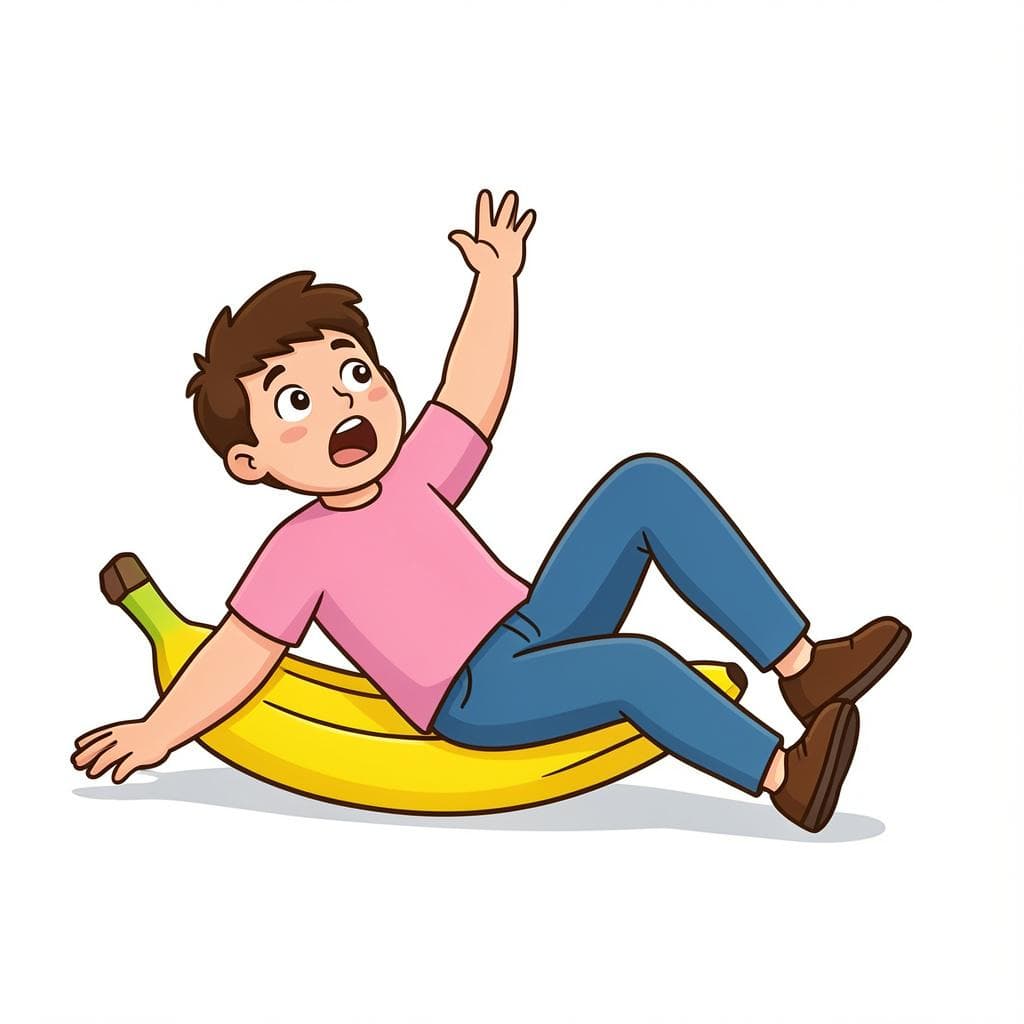


I fall
Also: I am falling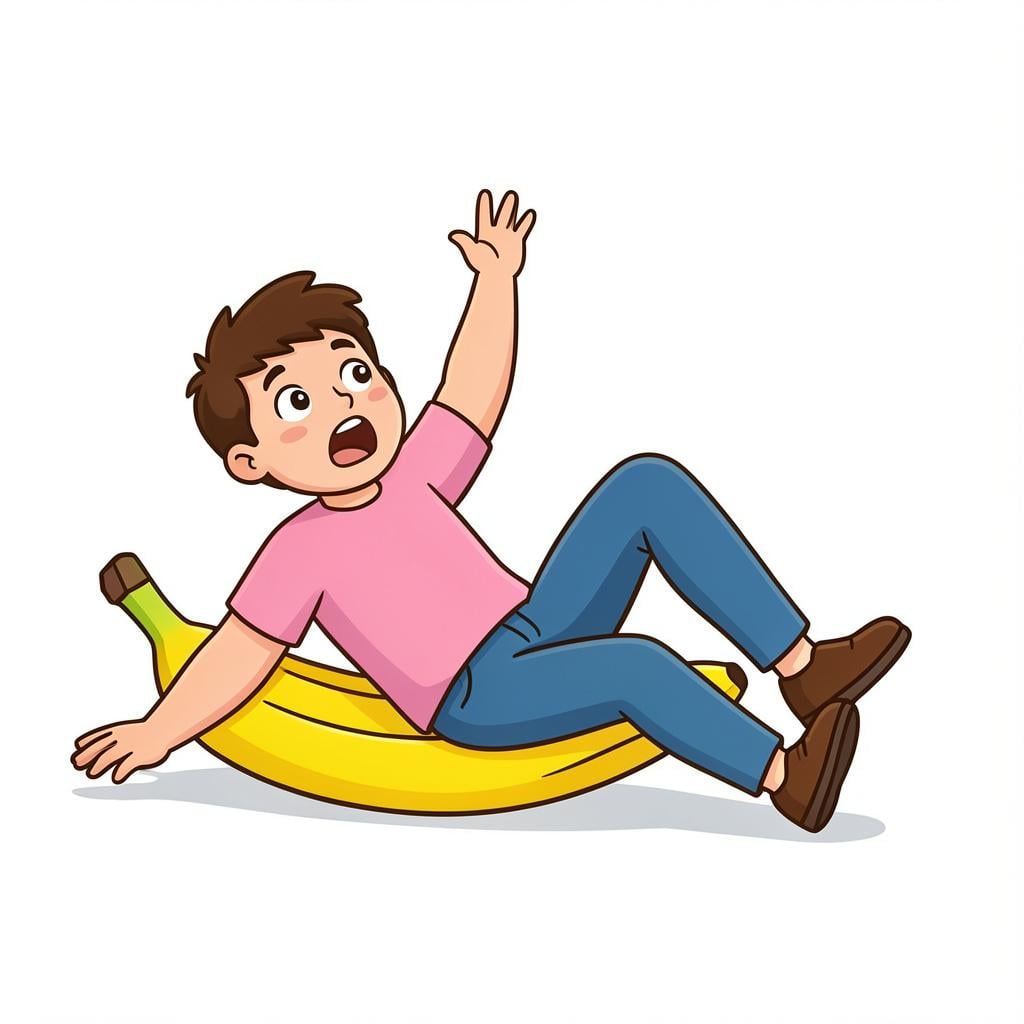
📝 In Action
Siempre caigo cuando el suelo está mojado.
A1I always fall when the floor is wet.
Si no tengo cuidado, me caigo de la silla.
A1If I'm not careful, I'll fall off the chair.
I make an impression
Also: They like me
📝 In Action
Le caigo bien a mi suegra.
A2My mother-in-law likes me (literally: I fall well to her).
No sé por qué le caigo mal a ese chico.
A2I don't know why that guy doesn't like me.
I realize
Also: It clicks
📝 In Action
Ahora caigo, ¡tú eres el hermano de Juan!
B1Now I realize, you're Juan's brother!
No caigo en quién es ella.
B1I can't place who she is / I don't recognize her.
Subjunctive
Imperfect Subjunctive
Present Subjunctive
Indicative
Preterite
Imperfect
Present
Translate to Spanish
✏️ Quick Practice
Quick Quiz: caigo
Question 1 of 2
How would you say 'I think your parents like me'?
📚 More Resources
👥 Word Family▼
🎵 Rhymes▼
📚 Etymology▼
From the Latin word 'cadere,' meaning 'to fall.' Over time, the middle 'd' was lost, and the 'g' was added in the present tense to help with the flow of speech.
First recorded: 12th century
Cognates (Related words)
💡 Master Spanish
Take your Spanish to the next level. Read 200+ illustrated and narrated Spanish stories tailored to your level with the Inklingo app!
Frequently Asked Questions
Why is there a 'g' in caigo but not in caer?
Spanish has a small group of verbs (like 'traer' and 'caer') that add a 'g' in the 'yo' form to keep the vowel sounds distinct and easy to say. It's just a special quirk of the present tense!
Is 'caigo' the same as 'me caigo'?
Not exactly. We use 'me caigo' (reflexive) for the physical act of falling down by accident. We use 'caigo' without the 'me' more often in figurative senses, like 'caigo bien' (I'm liked) or 'caigo en la cuenta' (I realize).