camarón
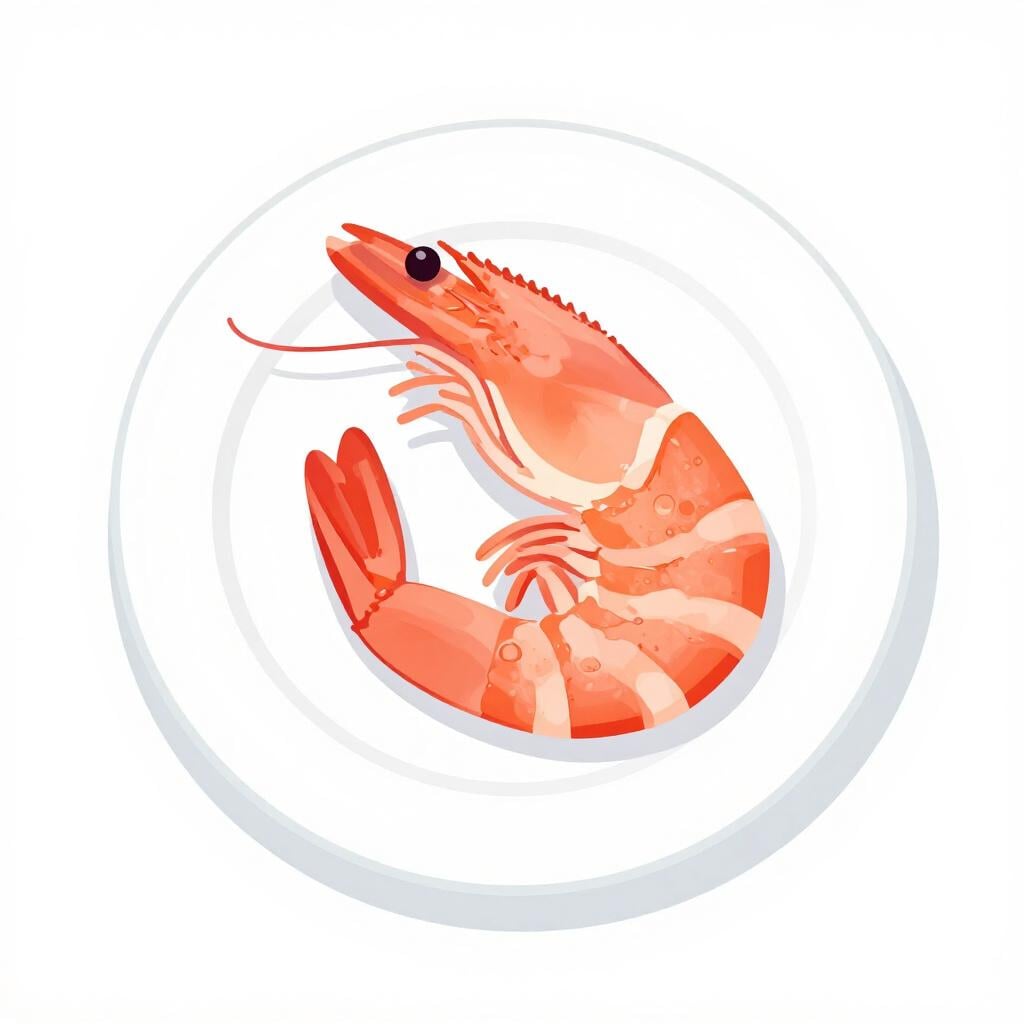
“camarón” means “shrimp” in Spanish. It has 2 different meanings depending on context:
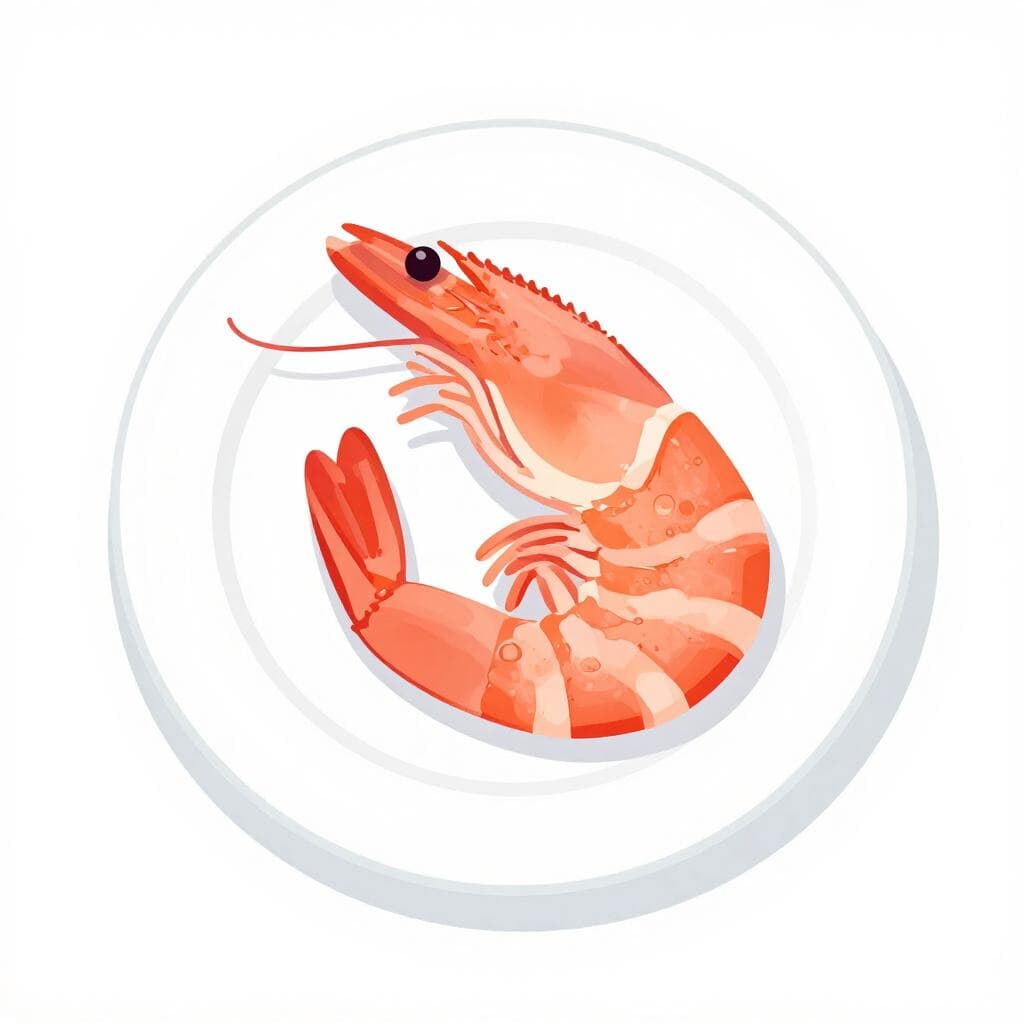

shrimpAlso: prawn
📝 In Action
Me encanta el ceviche de camarón.
A1I love shrimp ceviche.
Los camarones están frescos hoy.
A2The shrimp are fresh today.
Camarón que se duerme, se lo lleva la corriente.
B1The shrimp that falls asleep is carried away by the current.
Word Connections
gigAlso: side job

📝 In Action
Tengo un camarón el sábado tocando la guitarra.
B2I have a gig on Saturday playing the guitar.
Ese trabajo fue solo un camarón para pagar la renta.
C1That job was just a side gig to pay the rent.
Word Connections
✏️ Quick Practice
Quick Quiz: camarón
Question 1 of 3
In Spain, what is the most common word for the shrimp you would eat for dinner?
📚 More Resources
👥 Word Family
🎵 Rhymes
📚 Etymology
From the Latin word 'cammarus', which was used to describe various types of crustaceans like lobsters or crayfish.
First recorded: 13th century
Cognates (Related words)
💡 Master Spanish
Take your Spanish to the next level. Read 200+ illustrated and narrated Spanish stories tailored to your level with the Inklingo app!
Frequently Asked Questions
Is 'camarón' the same as 'prawn'?
Generally, yes. While scientists distinguish between them, in everyday Spanish, 'camarón' covers both shrimp and prawns.
Can I call someone a 'camarón'?
In some places, calling someone a 'camarón' might mean they are lazy (from the idiom) or that they have a red sunburn, but be careful as it's very informal!
How do I say 'shrimp cocktail'?
You say 'cóctel de camarón' (singular) or 'cóctel de camarones' (plural). Both are widely accepted.