carro
“carro” means “car” in Spanish. It has 2 different meanings depending on context:
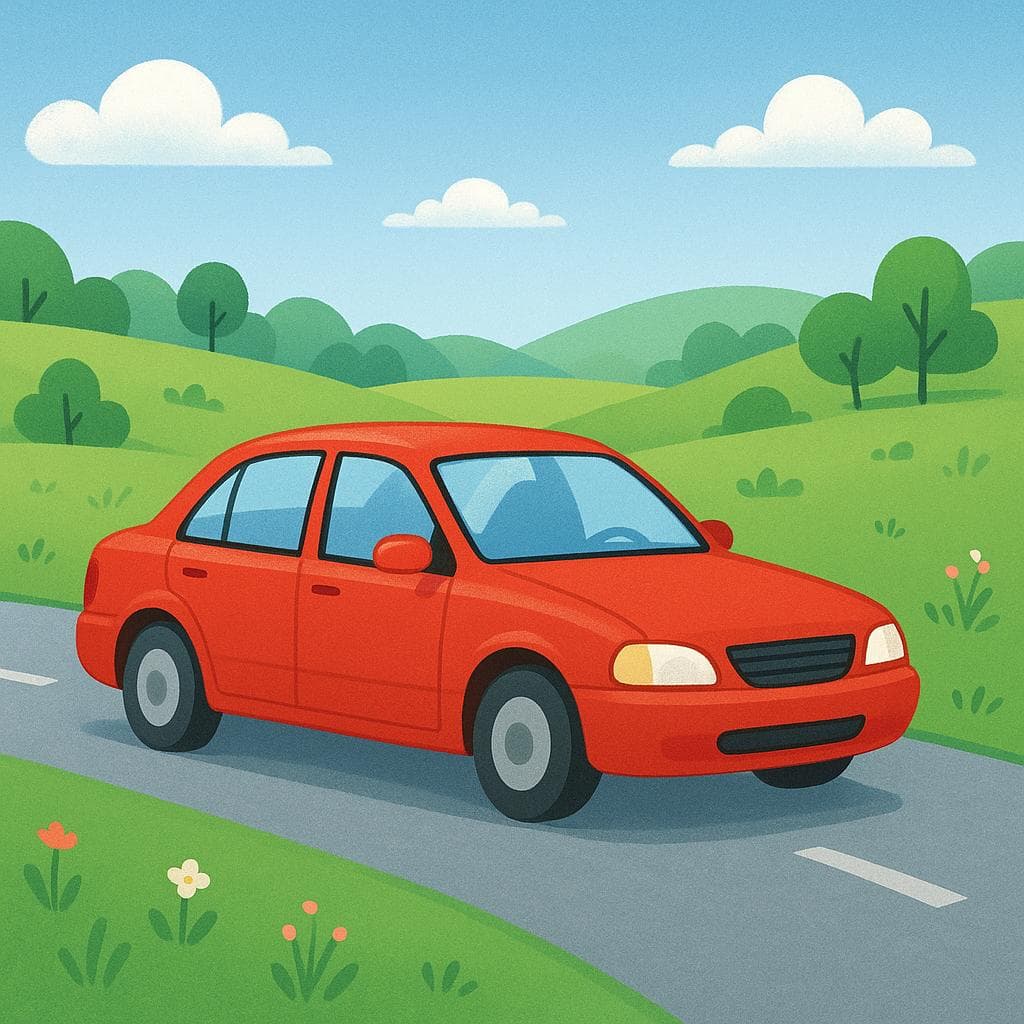
car, automobile
Also: truck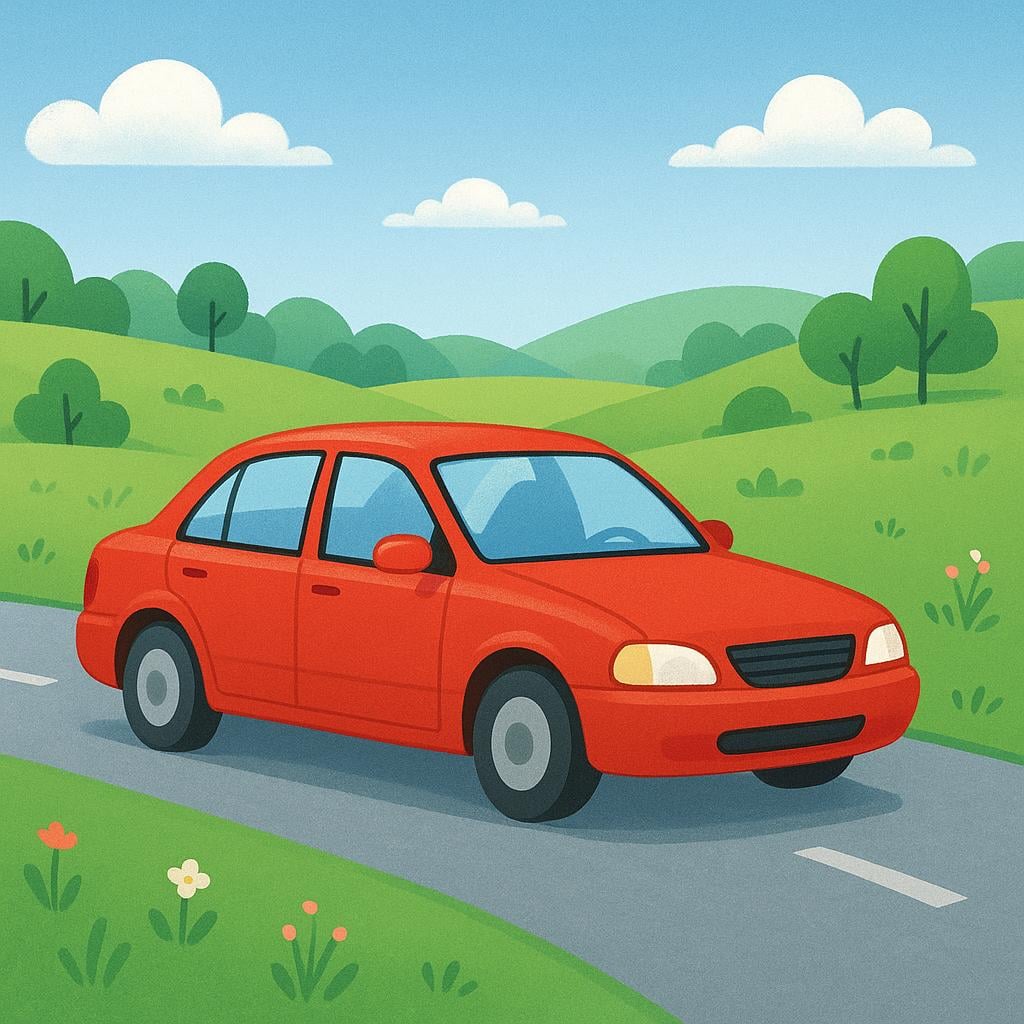
📝 In Action
Necesito comprar gasolina para mi carro.
A1I need to buy gas for my car.
El tráfico estaba terrible y el carro se recalentó.
A2The traffic was terrible and the car overheated.
¿Dónde estacionaste el carro?
A1Where did you park the car?
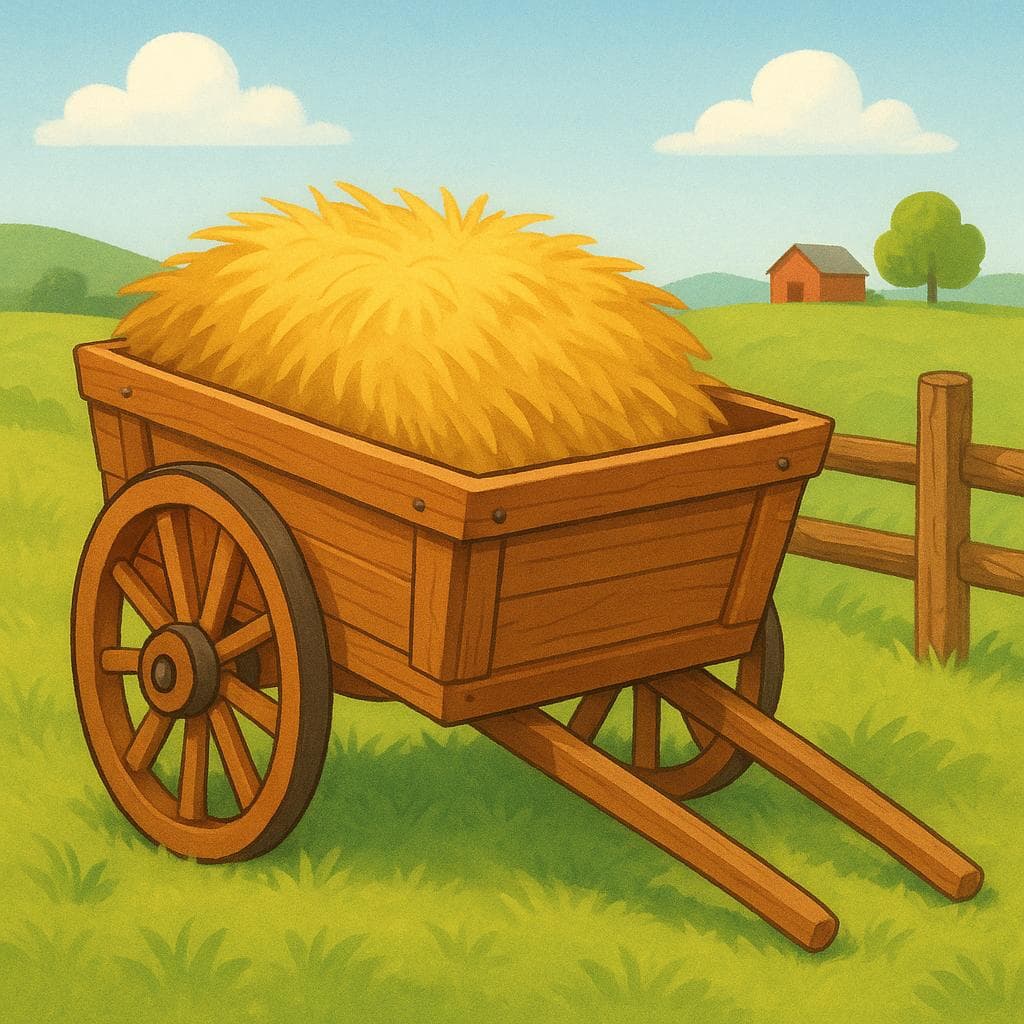
cart, wagon
Also: trolley, chariot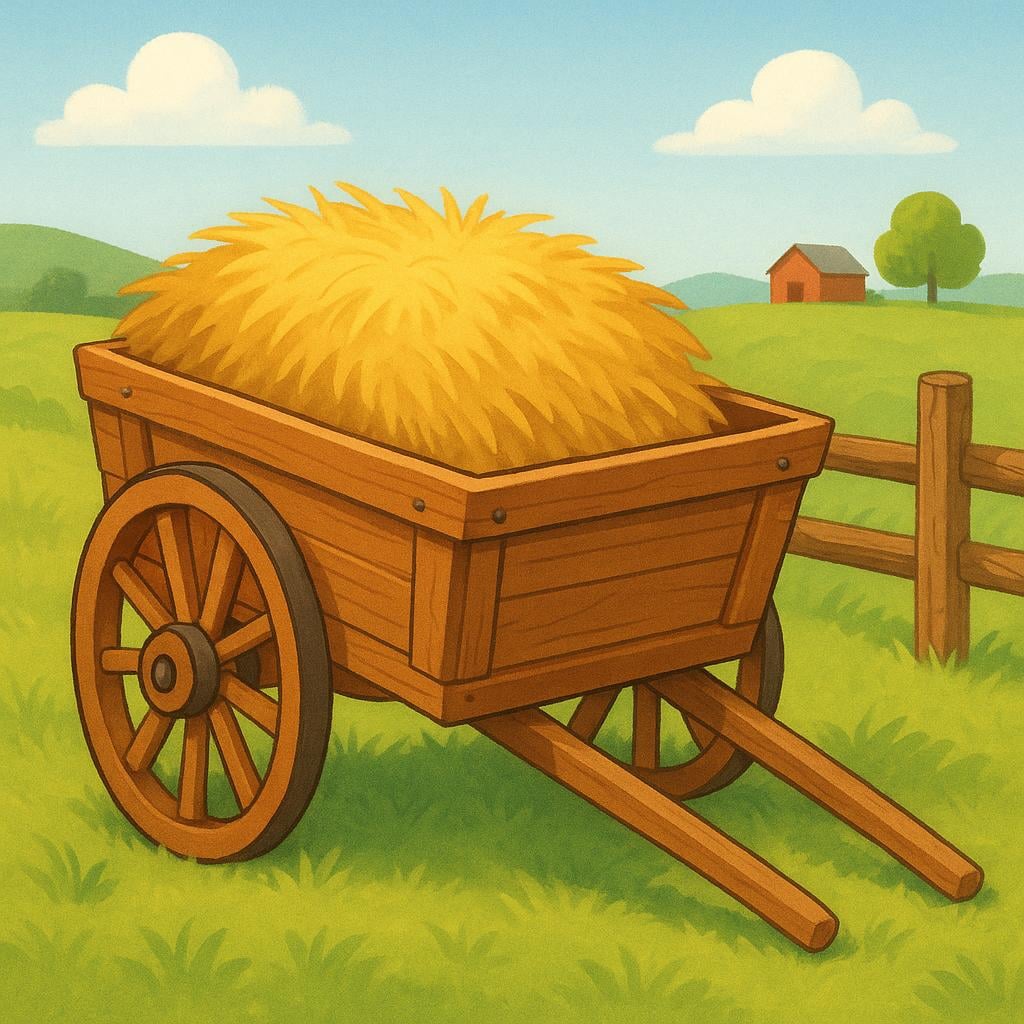
📝 In Action
Necesitamos un carro grande para llevar todas estas bolsas del mercado.
A2We need a big cart to carry all these grocery bags.
El granjero cargó la paja en el carro tirado por el caballo.
B1The farmer loaded the straw onto the wagon pulled by the horse.
Translate to Spanish
🗣️ Practice in a Tongue Twister
✏️ Quick Practice
Quick Quiz: carro
Question 1 of 2
If someone in Mexico says, 'Mi carro está en el taller,' what are they referring to?
📚 More Resources
🎵 Rhymes▼
📚 Etymology▼
The word 'carro' comes from the Latin word *carrus*, which itself was borrowed from a Celtic word meaning 'wheeled vehicle.' This explains why the word is connected to anything that rolls or moves, like carts, wagons, and eventually, modern automobiles.
First recorded: Medieval Latin period
Cognates (Related words)
💡 Master Spanish
Take your Spanish to the next level. Read 200+ illustrated and narrated Spanish stories tailored to your level with the Inklingo app!
Frequently Asked Questions
¿Carro, coche, o auto? Which one should I use?
This is one of the biggest regional differences in Spanish! Use 'carro' throughout Mexico and Central America. Use 'coche' in Spain. 'Auto' is understood everywhere but is most common in South America (like Argentina and Uruguay).
Is 'carrito' the same as 'carro'?
'Carrito' is the diminutive form of 'carro,' meaning a 'little car' or 'little cart.' It is commonly used for shopping carts, small toy cars, or the little carts used by street vendors.