católico
“católico” means “Catholic” in Spanish. It has 3 different meanings depending on context:


CatholicAlso: universal

📝 In Action
Mi abuelo es un hombre muy católico.
A1My grandfather is a very Catholic man.
Visitamos una iglesia católica en el centro de la ciudad.
A2We visited a Catholic church in the city center.
España tiene muchas tradiciones de origen católico.
B1Spain has many traditions of Catholic origin.
Word Connections
Catholic

📝 In Action
Los católicos celebran la Semana Santa con procesiones.
A2Catholics celebrate Holy Week with processions.
Es un católico de toda la vida.
B1He's a lifelong Catholic.
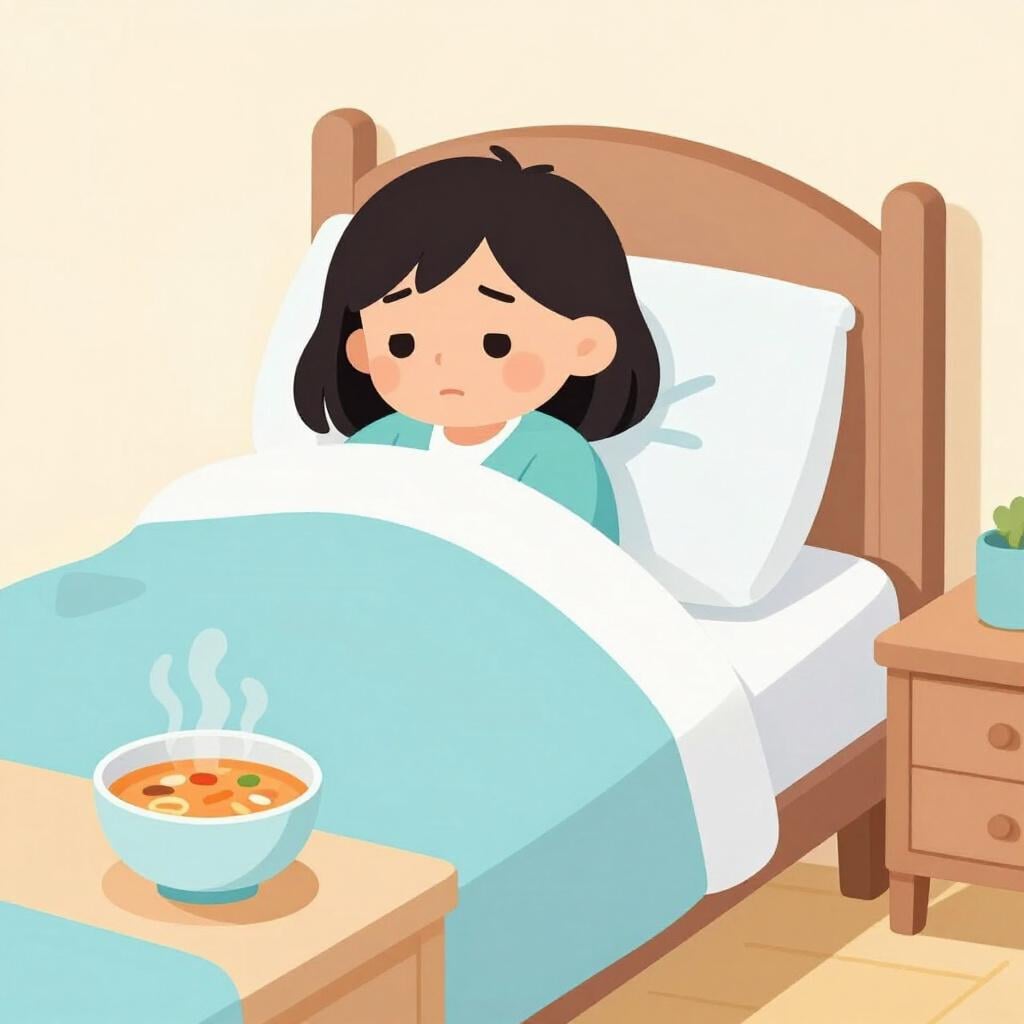
feeling wellAlso: sound / in good condition
📝 In Action
Hoy no me siento muy católico, creo que me voy a quedar en casa.
B2I'm not feeling very well today; I think I'll stay home.
Ten cuidado, ese pescado no tiene un olor muy católico.
C1Be careful; that fish doesn't smell quite right (smells suspicious/bad).
Word Connections
Translate to Spanish
Words that translate to "católico" in Spanish:
✏️ Quick Practice
Quick Quiz: católico
Question 1 of 3
How do you say 'She is Catholic' in Spanish?
📚 More Resources
👥 Word Family
🎵 Rhymes
📚 Etymology
From the Greek 'katholikos', meaning 'universal' or 'general'. It moved into Latin as 'catholicus' before becoming Spanish.
First recorded: 13th century
Cognates (Related words)
💡 Master Spanish
Take your Spanish to the next level. Read 200+ illustrated and narrated Spanish stories tailored to your level with the Inklingo app!
Frequently Asked Questions
Do I always need to change it to 'católica' for women?
Yes! If you are describing a woman, a girl, or any feminine noun (like 'la escuela'), you must use the 'a' ending.
Is 'católico' the same as 'cristiano'?
In Spanish, 'cristiano' is a broader term for all Christians. All 'católicos' are 'cristianos', but not all 'cristianos' are 'católicos'.
Why do people say 'no está muy católico' about food?
It's a figurative way of saying the food looks or smells suspicious or 'unhealthy' to eat. It's like saying the food is 'not in a state of grace'.