causado
“causado” means “caused” in Spanish. It has 2 different meanings depending on context:
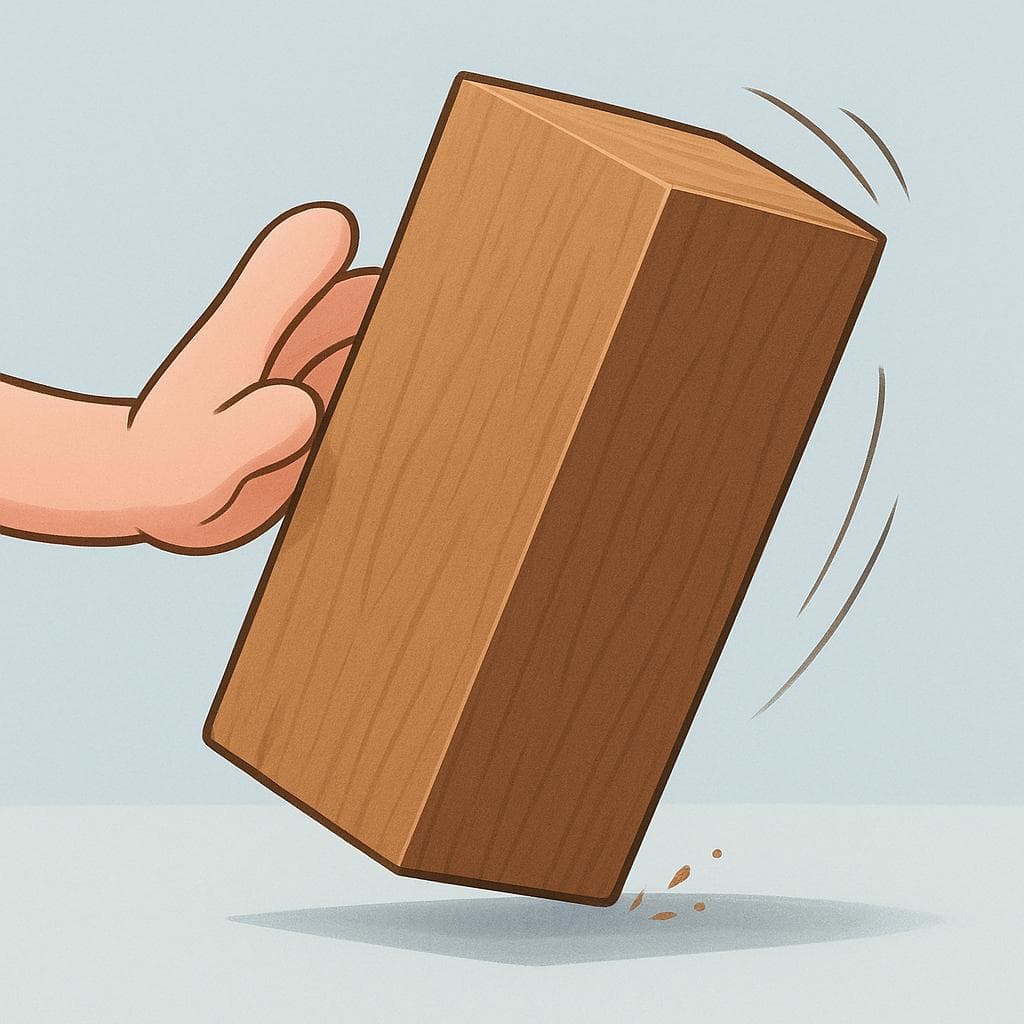

caused, resultingAlso: brought about
📝 In Action
El daño causado por la tormenta fue enorme.
A2The damage caused by the storm was enormous.
La crisis económica causada por la guerra afectó a todos.
B1The economic crisis resulting from the war affected everyone.
Estos problemas, causados por un error humano, son evitables.
B2These problems, caused by a human error, are avoidable.
Word Connections
caused

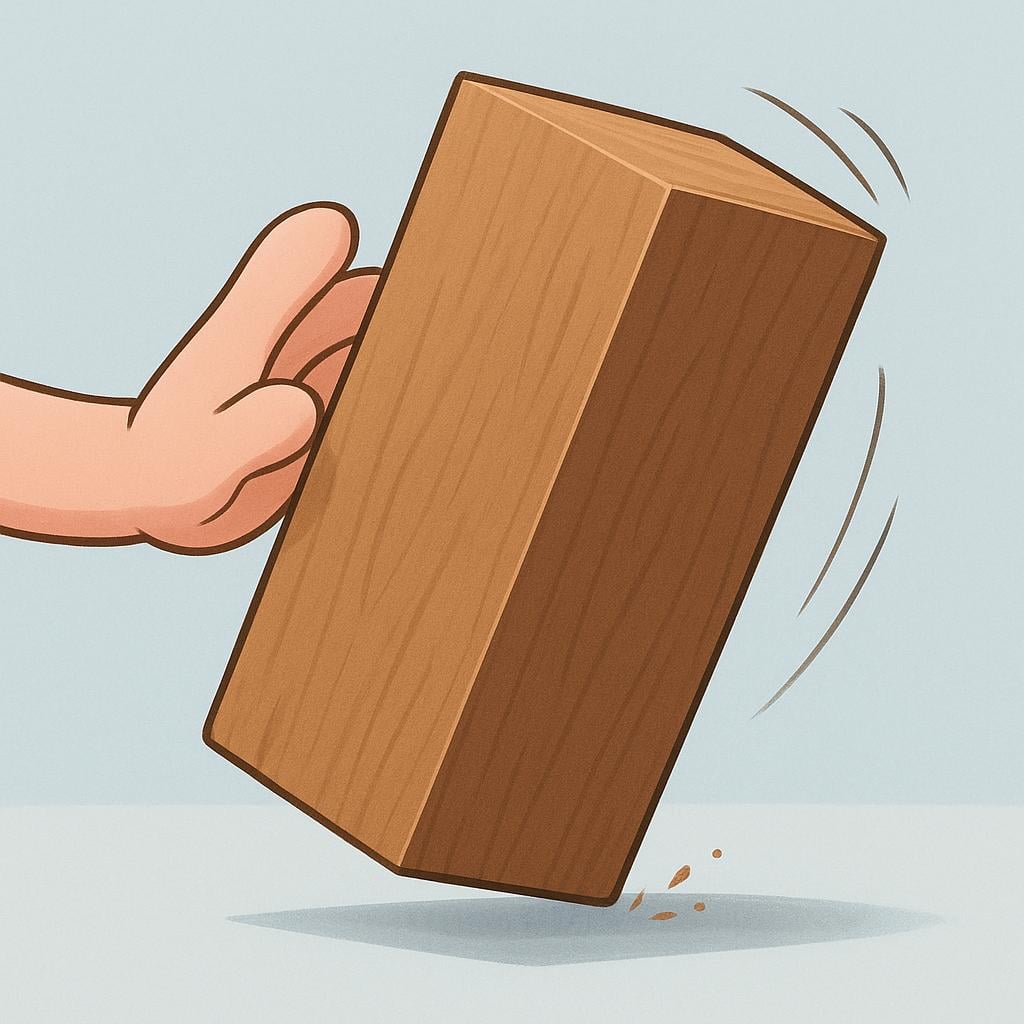
📝 In Action
Hemos causado una buena impresión en la reunión.
A2We have caused a good impression at the meeting.
El accidente había causado un gran atasco en la carretera.
B1The accident had caused a huge traffic jam on the road.
Translate to Spanish
Words that translate to "causado" in Spanish:
✏️ Quick Practice
Quick Quiz: causado
Question 1 of 1
Which sentence uses 'causado' correctly as an adjective?
📚 More Resources
👥 Word Family
📚 Etymology
'Causado' comes from the verb 'causar,' which traces back to the Latin verb *causāre*. This meant 'to plead' or 'to show a reason.' It is directly derived from the Latin noun *causa*, meaning 'cause' or 'reason.'
First recorded: 13th century
Cognates (Related words)
💡 Master Spanish
Take your Spanish to the next level. Read 200+ illustrated and narrated Spanish stories tailored to your level with the Inklingo app!
Frequently Asked Questions
Why does 'causado' sometimes change its ending (e.g., 'causada') and sometimes stay 'causado'?
It depends on its job in the sentence. If it's working with the helping verb 'haber' (like 'he causado'), it's part of a verb tense and never changes. If it's describing a noun (like 'el daño causado' or 'la pérdida causada'), it's acting as a regular adjective and must change to match the gender and number of that noun.