cayeron
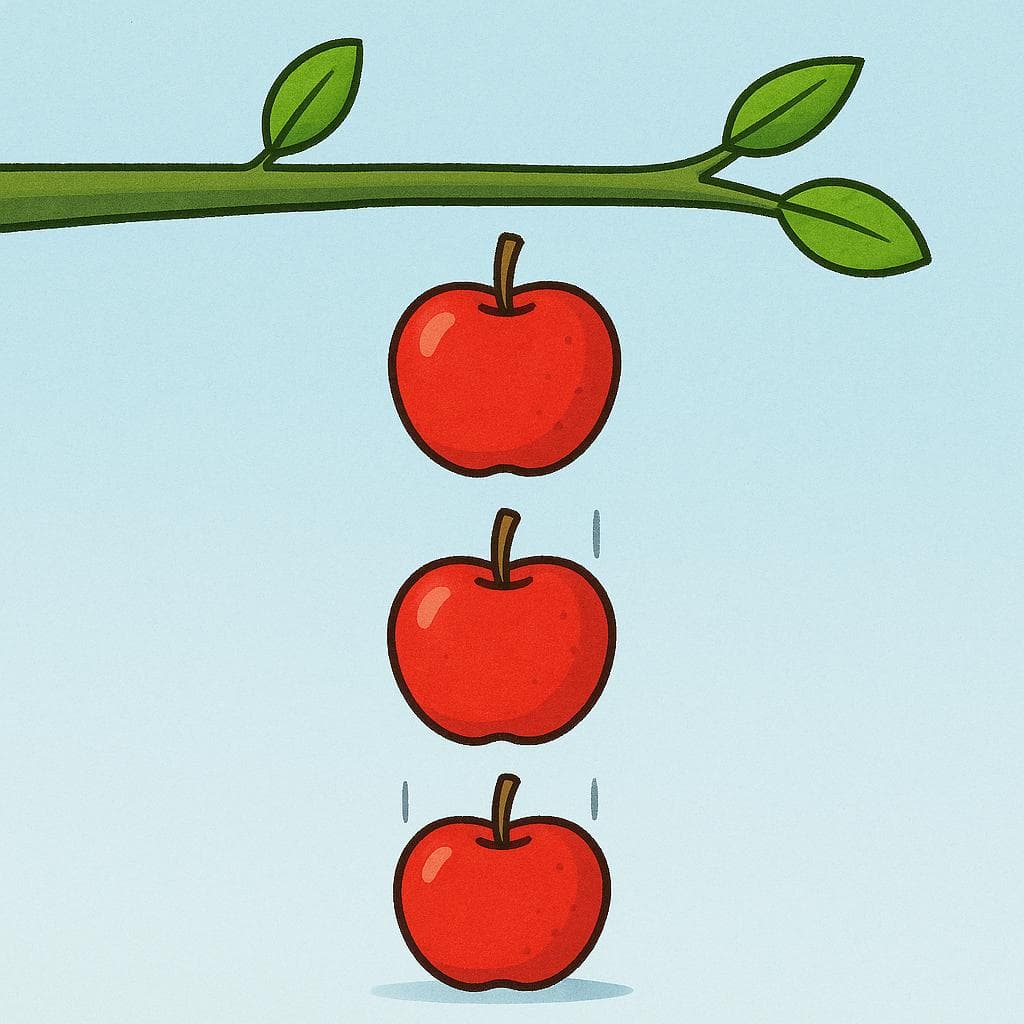
“cayeron” means “they fell” in Spanish. It has 2 different meanings depending on context:

📝 In Action
Las llaves se deslizaron de la mesa y **cayeron** al suelo.
A1The keys slipped off the table and fell to the floor.
Los excursionistas se resbalaron en el hielo y **cayeron** unos metros.
A2The hikers slipped on the ice and fell a few meters.
Word Connections
📝 In Action
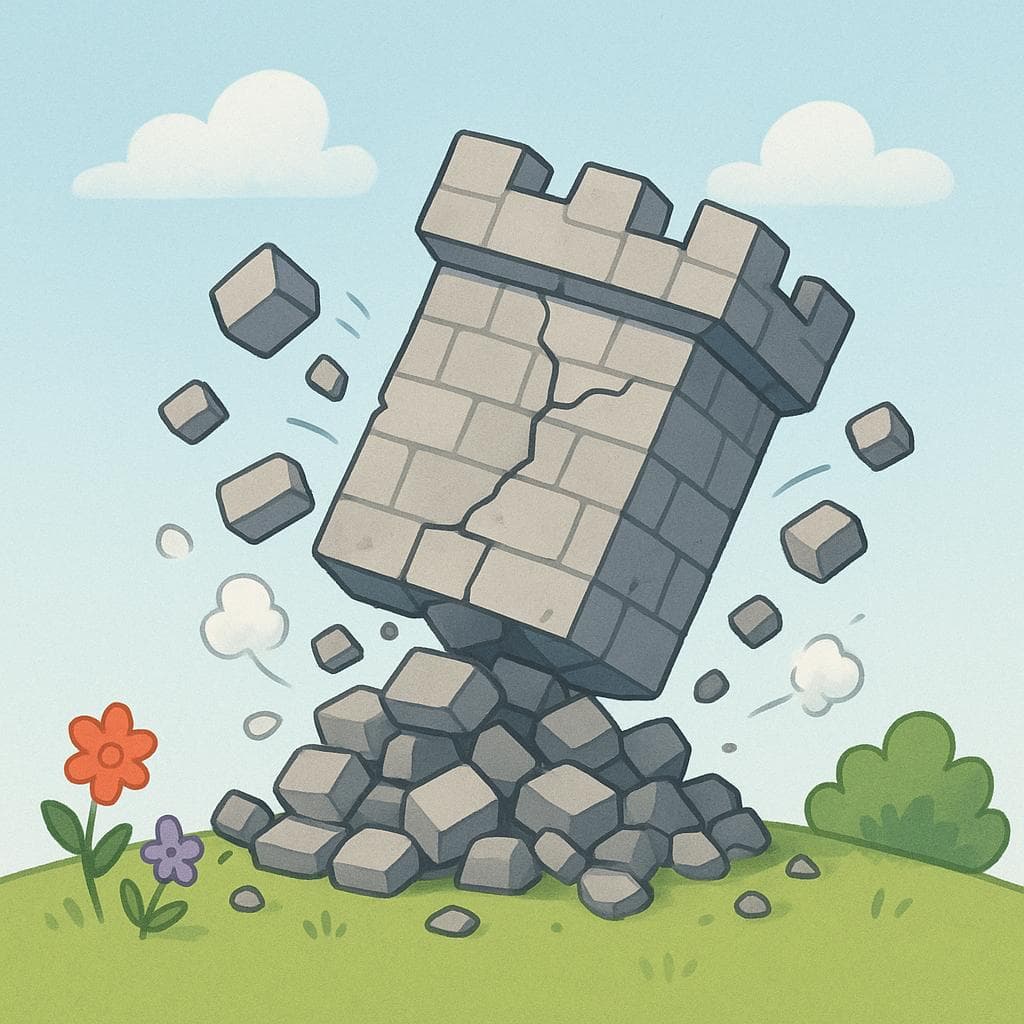
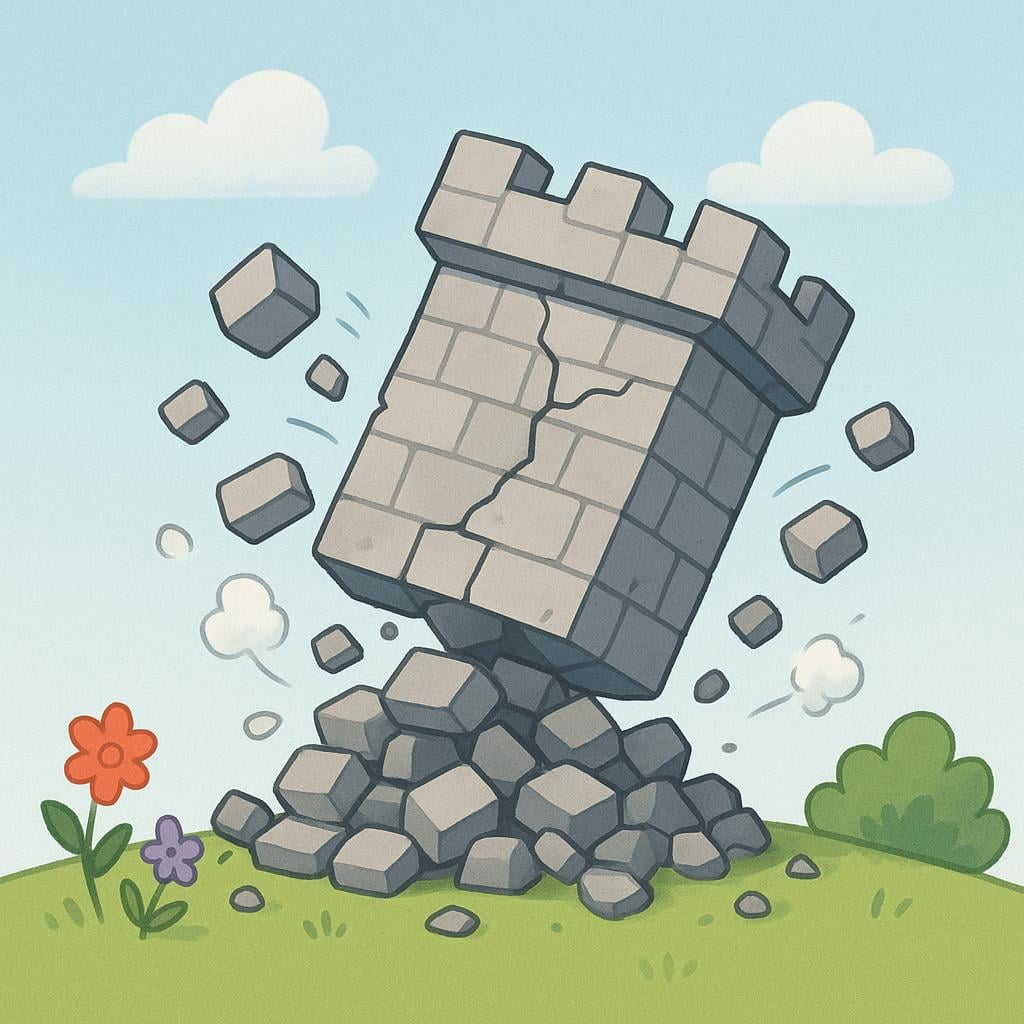
Ante la evidencia, los argumentos de la defensa **cayeron** fácilmente.
B1Faced with the evidence, the defense's arguments collapsed easily.
Los precios del petróleo **cayeron** a su nivel más bajo en una década.
B2Oil prices dropped to their lowest level in a decade.
Word Connections
Subjunctive
Imperfect Subjunctive
Present Subjunctive
Indicative
Imperfect
Present
Preterite
Translate to Spanish
Words that translate to "cayeron" in Spanish:
✏️ Quick Practice
Quick Quiz: cayeron
Question 1 of 2
Which sentence uses 'cayeron' to mean 'they were defeated'?
📚 More Resources
👥 Word Family
📚 Etymology
From the Latin verb *cadere*, meaning 'to fall, sink, or drop.' The irregular nature of the Spanish verb 'caer' developed early in the language's history, leading to the unique 'y' forms in the past tense, like 'cayeron'.
First recorded: Old Spanish (around the 10th-12th centuries)
Cognates (Related words)
💡 Master Spanish
Take your Spanish to the next level. Read 200+ illustrated and narrated Spanish stories tailored to your level with the Inklingo app!
Frequently Asked Questions
Is 'cayeron' past tense or present tense?
It is the simple past tense (Preterite). It describes an action of falling that was completed and finished in the past.
Why is the base form 'caer' but the past form is 'cayeron'?
'Caer' is an irregular verb. In the simple past, the verb stem changes slightly (from 'caí-' to 'cay-') to make the pronunciation flow better when the vowel sounds are next to each other.