conducta
“conducta” means “behavior” in Spanish. It has 2 different meanings depending on context:
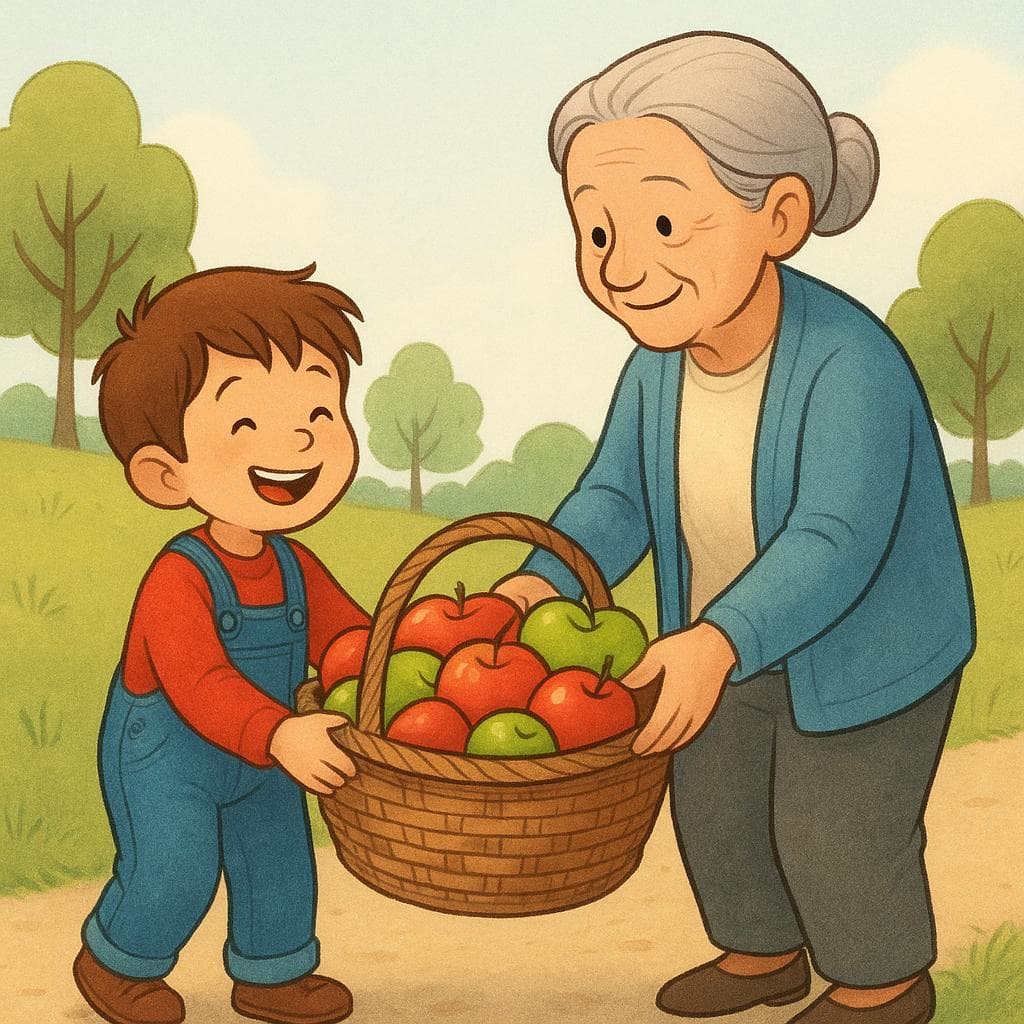

behavior, conductAlso: way of acting

📝 In Action
La conducta de los niños fue excelente durante la visita al museo.
A2The children's behavior was excellent during the museum visit.
Su conducta agresiva en el juego preocupó a los padres.
B1His aggressive behavior in the game worried the parents.
Word Connections
conduct record, track recordAlso: ethical behavior

📝 In Action
El informe de conducta del estudiante se envió a la universidad.
B2The student's conduct report was sent to the university.
La junta directiva investigará la conducta financiera del gerente.
C1The board of directors will investigate the manager's financial conduct.
Word Connections
Translate to Spanish
Words that translate to "conducta" in Spanish:
✏️ Quick Practice
Quick Quiz: conducta
Question 1 of 1
Which sentence uses 'conducta' in its most formal, official sense?
📚 More Resources
👥 Word Family
📚 Etymology
Comes from the Latin word *conducta*, which meant 'a collection' or 'a leading.' This word itself is based on the verb *conducere*, meaning 'to lead together.' Over time, the Spanish word focused on the way a person 'leads' or 'carries' themselves, resulting in the meaning 'behavior.'
First recorded: 15th century
Cognates (Related words)
💡 Master Spanish
Take your Spanish to the next level. Read 200+ illustrated and narrated Spanish stories tailored to your level with the Inklingo app!
Frequently Asked Questions
Is 'conducta' related to the English word 'conduct'?
Yes, they are direct relatives (cognates). They both come from the same Latin root meaning 'to lead together' or 'to guide,' which is why they share the meaning of 'behavior' or 'management of oneself.'
Why is 'conducta' feminine, even though some abstract nouns can be masculine?
'Conducta' ends in -a and is feminine (la conducta). While some abstract nouns ending in -a are masculine (like 'el día'), the vast majority, especially those derived from Latin abstract nouns, follow the standard pattern of being feminine.