comportamiento
“comportamiento” means “behavior” in Spanish (general conduct).
behavior, conductAlso: deportment, performance
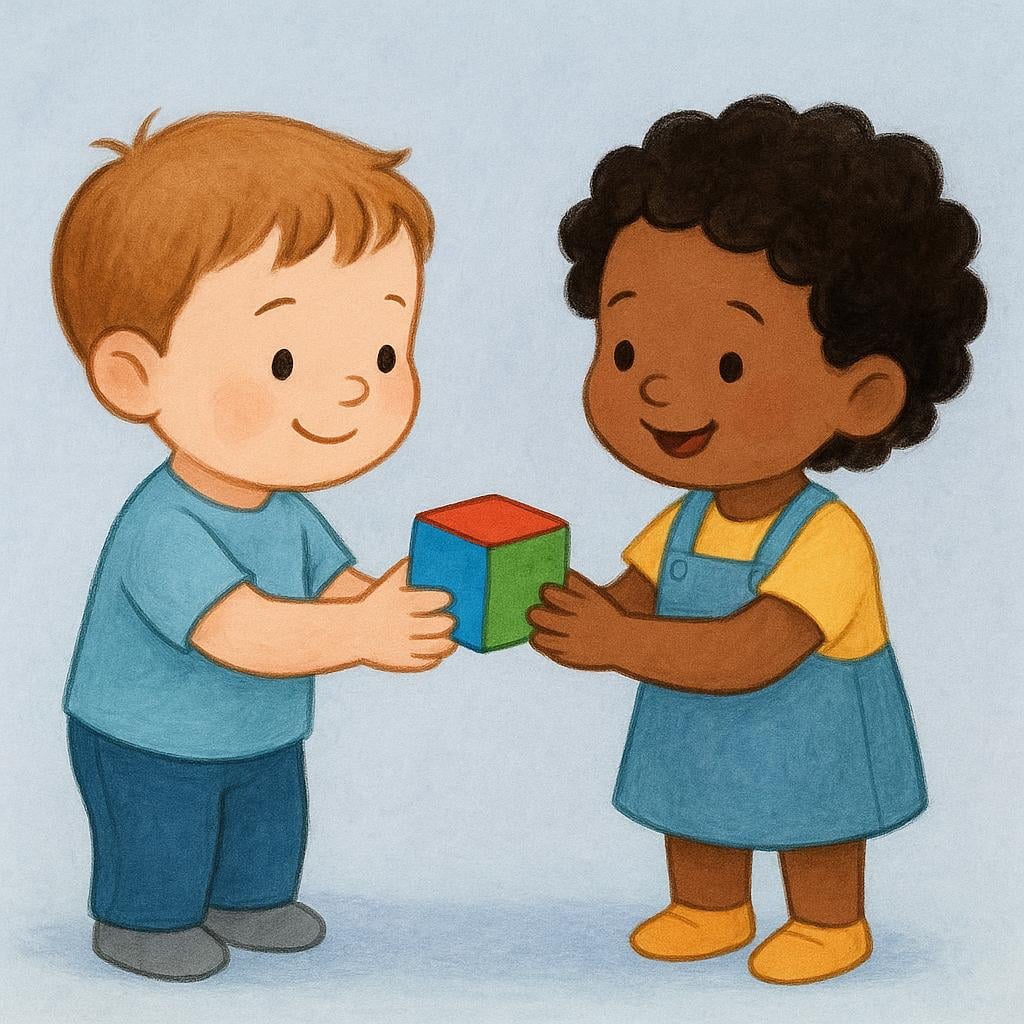
📝 In Action
El comportamiento del niño en la escuela fue excelente.
A2The child's behavior at school was excellent.
Estudiamos el comportamiento de los animales en su hábitat natural.
B1We study the behavior of animals in their natural habitat.
Su mal comportamiento resultó en una advertencia.
B2His bad conduct resulted in a warning.
Word Connections
Translate to Spanish
Words that translate to "comportamiento" in Spanish:
✏️ Quick Practice
Quick Quiz: comportamiento
Question 1 of 1
Which sentence correctly uses the noun 'comportamiento'?
📚 More Resources
👥 Word Family
🎵 Rhymes
📚 Etymology
Formed in Spanish from the verb 'comportar' (to bear, to carry, or to involve), which itself comes from the Latin verb *comportare* (to bring together). The suffix '-miento' turns the action of the verb into the result or effect, hence 'the way you carry yourself.'
First recorded: 15th century
Cognates (Related words)
💡 Master Spanish
Take your Spanish to the next level. Read 200+ illustrated and narrated Spanish stories tailored to your level with the Inklingo app!
Frequently Asked Questions
Is 'comportamiento' always used for people?
No. While most commonly used for human conduct, 'comportamiento' is also used scientifically or technically to describe how non-human things act, like 'el comportamiento de un virus' (the behavior of a virus) or 'el comportamiento del mercado' (the behavior of the market).