convertirá
“convertirá” means “will convert” in Spanish. It has 2 different meanings depending on context:
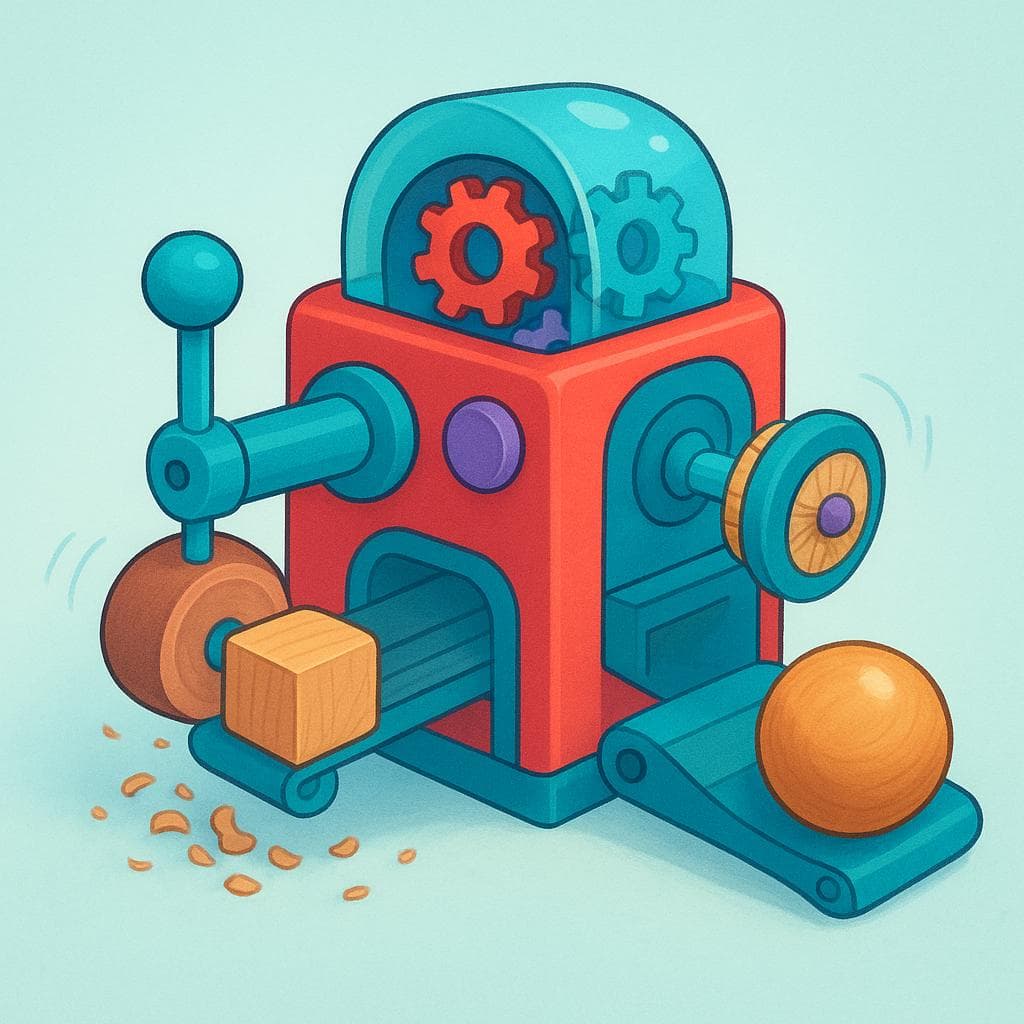

will convert, will transform
Also: will turn, will exchange
📝 In Action
El mago convertirá el pañuelo en una paloma.
A2The magician will convert the handkerchief into a dove.
La empresa convertirá el edificio antiguo en oficinas modernas.
B1The company will transform the old building into modern offices.
will become, will turn into
Also: will change (itself)
📝 In Action
Con mucho esfuerzo, ella se convertirá en una gran abogada.
B1With a lot of effort, she will become a great lawyer.
Si el clima sigue así, el río se convertirá en hielo.
B2If the weather continues like this, the river will turn into ice.
Indicative
Imperfect
Present
Preterite
Subjunctive
Imperfect Subjunctive
Present Subjunctive
Translate to Spanish
✏️ Quick Practice
Quick Quiz: convertirá
Question 1 of 2
Which sentence correctly uses 'convertirá' in its transitive (active) sense?
📚 More Resources
👥 Word Family▼
🎵 Rhymes▼
📚 Etymology▼
Comes from the Latin verb *convertere*, meaning 'to turn around' or 'to change'. This Latin root combines *con-* (together, completely) and *vertere* (to turn). The Spanish word keeps this core idea of a complete turning or change.
First recorded: 13th century
Cognates (Related words)
💡 Master Spanish
Take your Spanish to the next level. Read 200+ illustrated and narrated Spanish stories tailored to your level with the Inklingo app!
Frequently Asked Questions
Is 'convertirá' regular or irregular?
It's a mix! The base verb 'convertir' is irregular in the present tense (e.g., 'yo convierto'), but when forming the future tense, 'convertirá' follows the regular pattern for -ir verbs, making it easy to conjugate in the future.
When should I use 'convertirá' versus 'se convertirá'?
Use 'convertirá' when the subject is actively changing something else (e.g., 'He will convert the money'). Use 'se convertirá' when the subject is changing itself or becoming something new (e.g., 'The plan will become a reality').