crema
“crema” means “cream” in Spanish. It has 4 different meanings depending on context:




creamAlso: whipped cream, custard

📝 In Action
¿Quieres un poco de crema en tu café?
A1Do you want a little cream in your coffee?
Esta tarta lleva mucha crema de chocolate.
A2This cake has a lot of chocolate filling/custard.
Word Connections
cream, ointmentAlso: lotion

📝 In Action
Me puse crema hidratante después de la ducha.
A2I put on moisturizing cream after the shower.
No olvides llevar la crema solar a la playa.
A2Don't forget to take the sun cream to the beach.
Word Connections
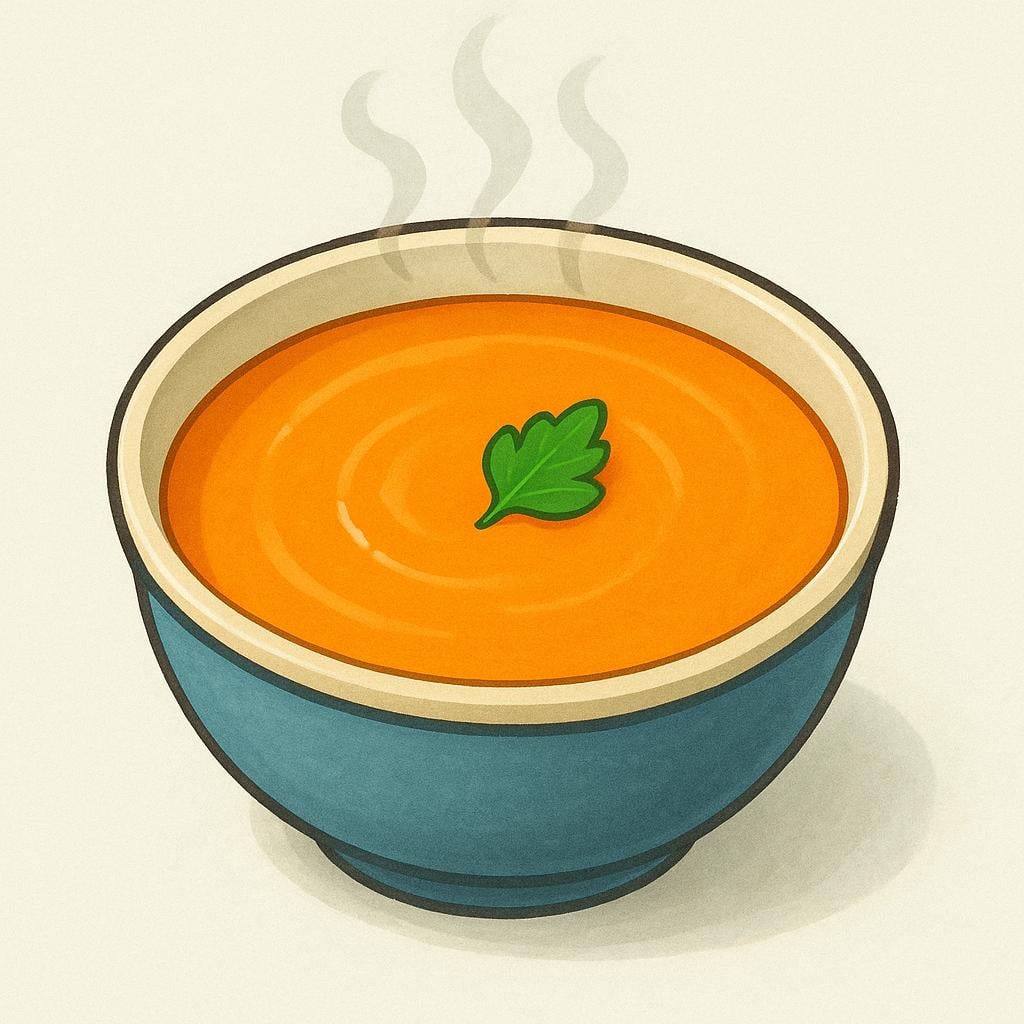
cream soup, puréeAlso: bisque
📝 In Action
De primero, vamos a tomar una crema de calabaza caliente.
B1For the starter, we are going to have a hot pumpkin cream soup.
Word Connections
cream, beige

📝 In Action
Necesito pintar la pared de color crema.
B1I need to paint the wall cream-colored.
Compramos unos zapatos crema muy elegantes.
B2We bought some very elegant cream shoes.
Word Connections
Translate to Spanish
✏️ Quick Practice
Quick Quiz: crema
Question 1 of 2
Which sentence uses 'crema' to talk about a thick, blended soup?
📚 More Resources
👥 Word Family
🎵 Rhymes
📚 Etymology
The word comes from the Late Latin word *crama*, which itself might be related to the Greek word *chrísma* (meaning 'anointing oil' or 'ointment'). This history explains why 'crema' is used for both food (a rich substance) and topical lotions.
First recorded: 15th century
Cognates (Related words)
💡 Master Spanish
Take your Spanish to the next level. Read 200+ illustrated and narrated Spanish stories tailored to your level with the Inklingo app!
Frequently Asked Questions
Is 'crema' the same as 'nata'?
They are related, but not always the same. 'Crema' is a general term for any thick, creamy substance (food, cosmetic, or soup). 'Nata' specifically refers to the fatty part of milk, like heavy cream or clotted cream, especially in Spain.
Does 'crema' ever mean 'ice cream'?
No. While 'crema' is a key ingredient, the word for ice cream is generally 'helado' (Spain/Mexico) or 'mantecado' (Caribbean/parts of South America).