Inklingo

cuentes

/kwehn-tehs/

you count

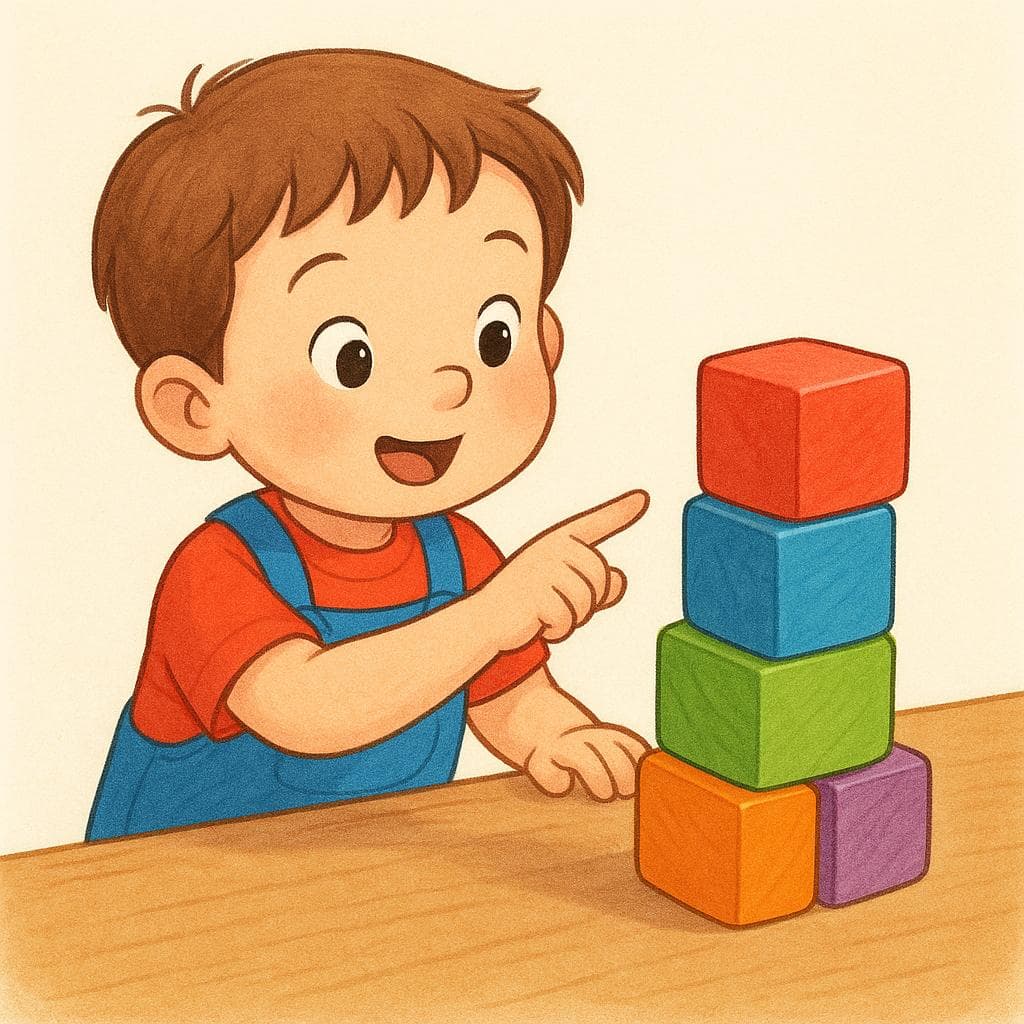
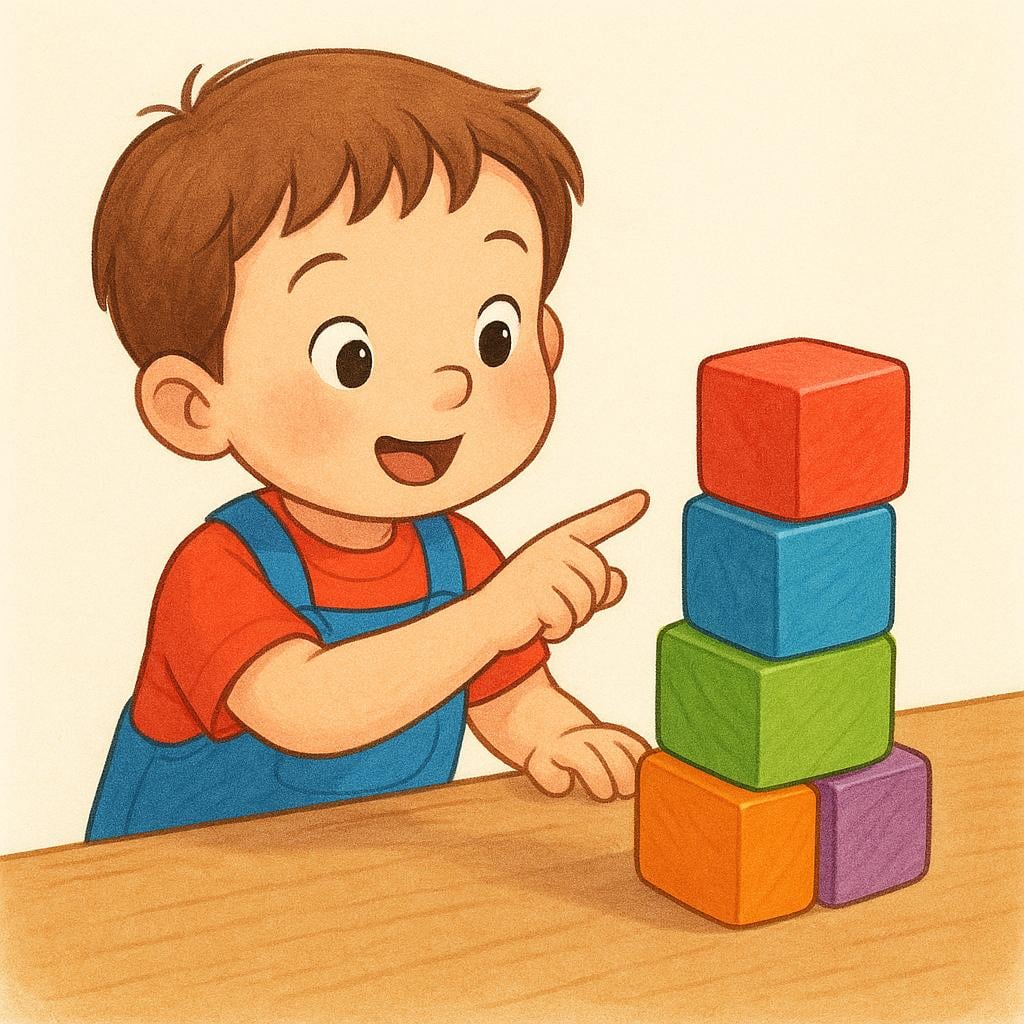
A young child with bright clothing pointing at a pile of five large, colorful wooden blocks on a table, illustrating the act of counting.

In the context of mathematics or enumeration, cuentes means 'you count'.

cuentes(verb)

A1irregular (stem-changing o>ue) ar

you count

?

present subjunctive or negative command

,

you may count

?

expressing possibility or wish

Also:

you calculate

?

estimating a number

📝 In Action

Necesito que cuentes hasta diez antes de abrir los ojos.

A1

I need you to count to ten before opening your eyes.

No cuentes los pollos antes de que nazcan.

B1

Don't count your chickens before they hatch. (Negative command)

Word Connections

Synonyms

  • numerar (to number)
  • calcular (to calculate)

Common Collocations

  • contar dineroto count money
  • contar votosto count votes

💡 Grammar Points

Why 'cuentes' is special

'Cuentes' is the 'tú' form of the verb 'contar' used in a special mood (called the subjunctive) when you are talking about wishes, doubts, emotions, or commands.

Stem Change

The vowel 'o' in the middle of 'contar' changes to 'ue' in most forms, including 'cuentes', but not in the 'nosotros' or 'vosotros' forms (e.g., 'contamos').

❌ Common Pitfalls

Forgetting the stem change

Mistake: "Espero que tú *contas* el dinero."

Correction: Espero que tú *cuentes* el dinero. Remember the 'o' changes to 'ue' here.

⭐ Usage Tips

Commanding someone not to do something

To tell someone 'Don't count,' you must use 'No cuentes.' This form is always required for negative 'tú' commands.

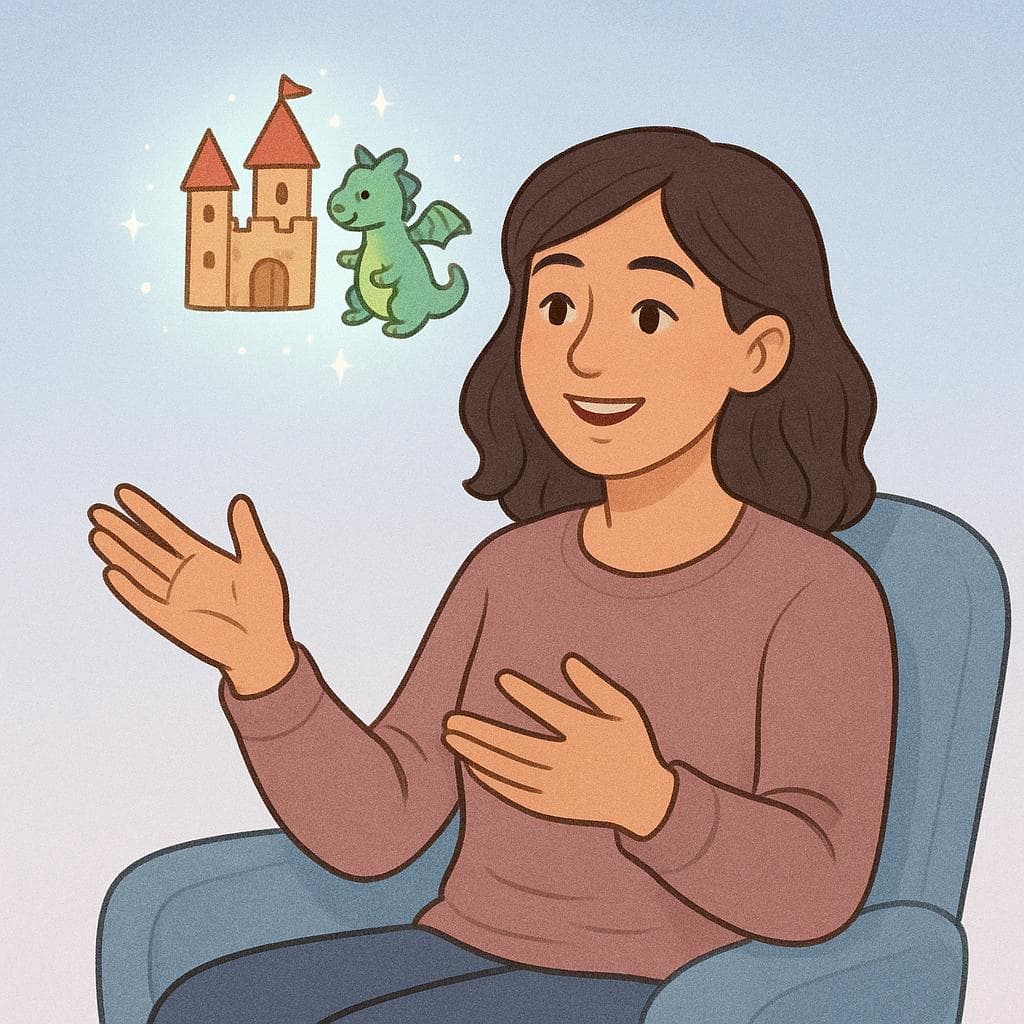
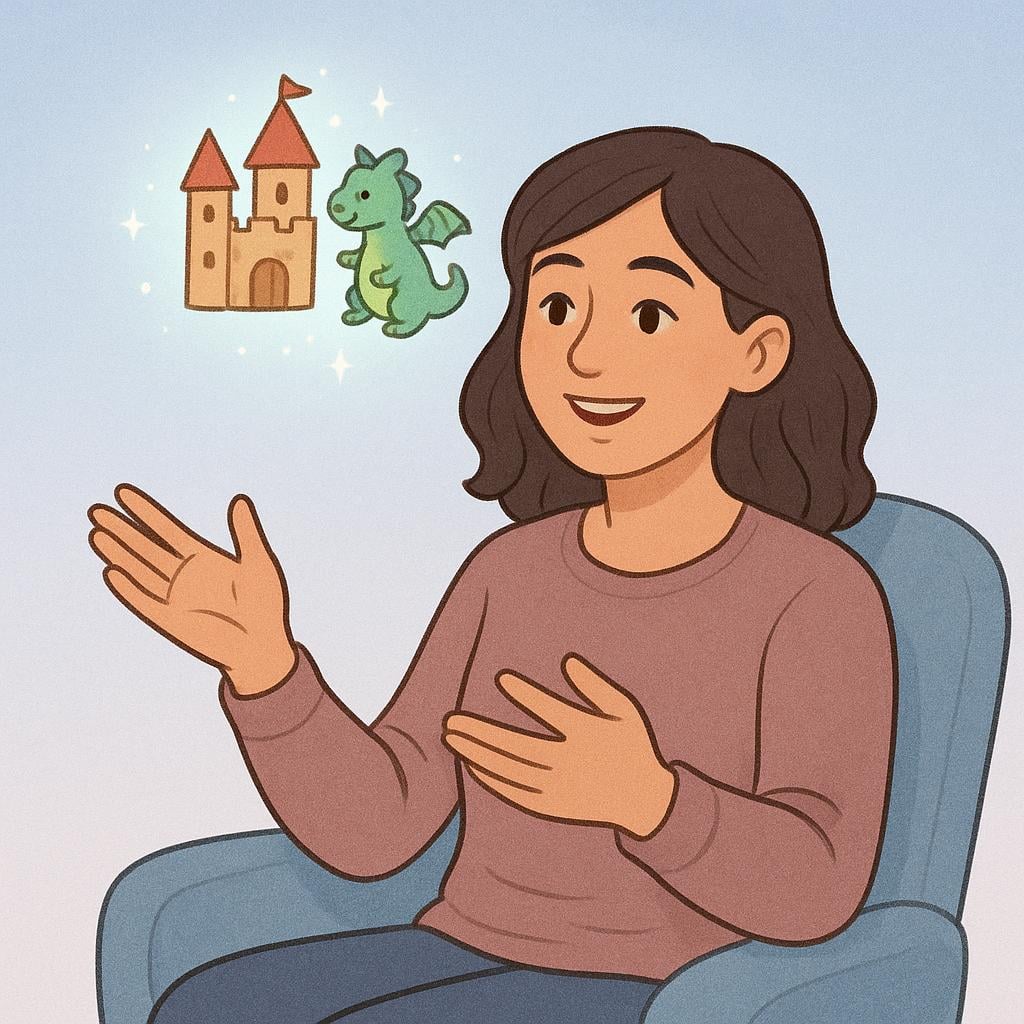
A smiling young woman sitting comfortably, gesturing with her hands while speaking, with small, glowing illustrations of a tiny castle and a miniature dragon floating above her head, representing the story she is telling.

When referring to narration or communication, cuentes means 'you tell' (a story or event).

cuentes(verb)

A2irregular (stem-changing o>ue) ar

you tell

?

narrating a story or event

,

you narrate

?

formal or literary context

Also:

you recount

?

retelling a past event

📝 In Action

Me gustaría que cuentes la historia desde el principio.

A2

I would like you to tell the story from the beginning.

No cuentes ese secreto a nadie, por favor.

A2

Please, don't tell that secret to anyone.

Word Connections

Synonyms

  • narrar (to narrate)
  • relatar (to recount)

Common Collocations

  • contar un cuentoto tell a tale
  • contar un chisteto tell a joke

💡 Grammar Points

Subjunctive use for influence

When a sentence starts with phrases showing desire or influence (like 'Me gustaría que...' or 'Quiero que...'), the next verb describing the action ('cuentes') must use the special subjunctive form.

⭐ Usage Tips

Talking about secrets

When talking about secrets, use 'contar' (to tell) rather than 'decir' (to say). Example: 'No cuentes mi plan secreto.'

A cheerful squirrel is perched on a thick, stable tree branch, confidently leaning its body against the branch for support, symbolizing reliance.

Used with 'con,' cuentes means 'you rely on' or 'you depend on'.

cuentes(verb)

B1irregular (stem-changing o>ue) ar

you rely on

?

used with the preposition 'con'

,

you depend on

?

trusting someone for support

Also:

you count on

?

informal reliance

📝 In Action

Espero que siempre cuentes con mi apoyo.

B1

I hope you can always rely on my support.

No quiero que solo cuentes conmigo para hacer todo el trabajo.

B2

I don't want you to only rely on me to do all the work.

Word Connections

Synonyms

  • confiar (to trust)
  • depender (to depend)

Common Collocations

  • contar con alguiento rely on someone
  • contar con recursosto have resources available

💡 Grammar Points

The essential 'con'

When 'contar' means 'to rely on,' it must always be followed immediately by the preposition 'con' (with). If 'con' is missing, the meaning reverts to 'to count' or 'to tell.'

❌ Common Pitfalls

Missing the preposition

Mistake: "Quiero que cuentes mi ayuda."

Correction: Quiero que cuentes *con* mi ayuda. You need 'con' to mean 'rely on.'

🔄 Conjugations

indicative

present

él/ella/ustedcuenta
yocuento
cuentas
ellos/ellas/ustedescuentan
nosotroscontamos
vosotroscontáis

imperfect

él/ella/ustedcontaba
yocontaba
contabas
ellos/ellas/ustedescontaban
nosotroscontábamos
vosotroscontabais

preterite

él/ella/ustedcontó
yoconté
contaste
ellos/ellas/ustedescontaron
nosotroscontamos
vosotroscontasteis

subjunctive

present

él/ella/ustedcuente
yocuente
cuentes
ellos/ellas/ustedescuenten
nosotroscontemos
vosotroscontéis

imperfect

él/ella/ustedcontara/contase
yocontara/contase
contaras/contases
ellos/ellas/ustedescontaran/contasen
nosotroscontáramos/contásemos
vosotroscontarais/contaseis

✏️ Quick Practice

💡 Quick Quiz: cuentes

Question 1 of 2

Which sentence correctly uses 'cuentes' in the sense of 'to rely on'?

📚 More Resources

Word Family

contar(to count, to tell) - verb (infinitive)

Frequently Asked Questions

Why does 'contar' change its spelling to 'cuentes'?

This is called a 'stem change' or 'boot verb' pattern common in Spanish. The vowel 'o' in the verb's root changes to 'ue' whenever it is stressed or pronounced strongly, which happens in the 'tú' form of the present subjunctive.

Is 'cuentes' a command?

It can be! 'Cuentes' is used in negative commands (like 'No cuentes') telling someone *not* to do something. For positive commands ('Count!'), Spanish uses a different form: '¡Cuenta!'