daño
“daño” means “damage” in Spanish. It has 2 different meanings depending on context:
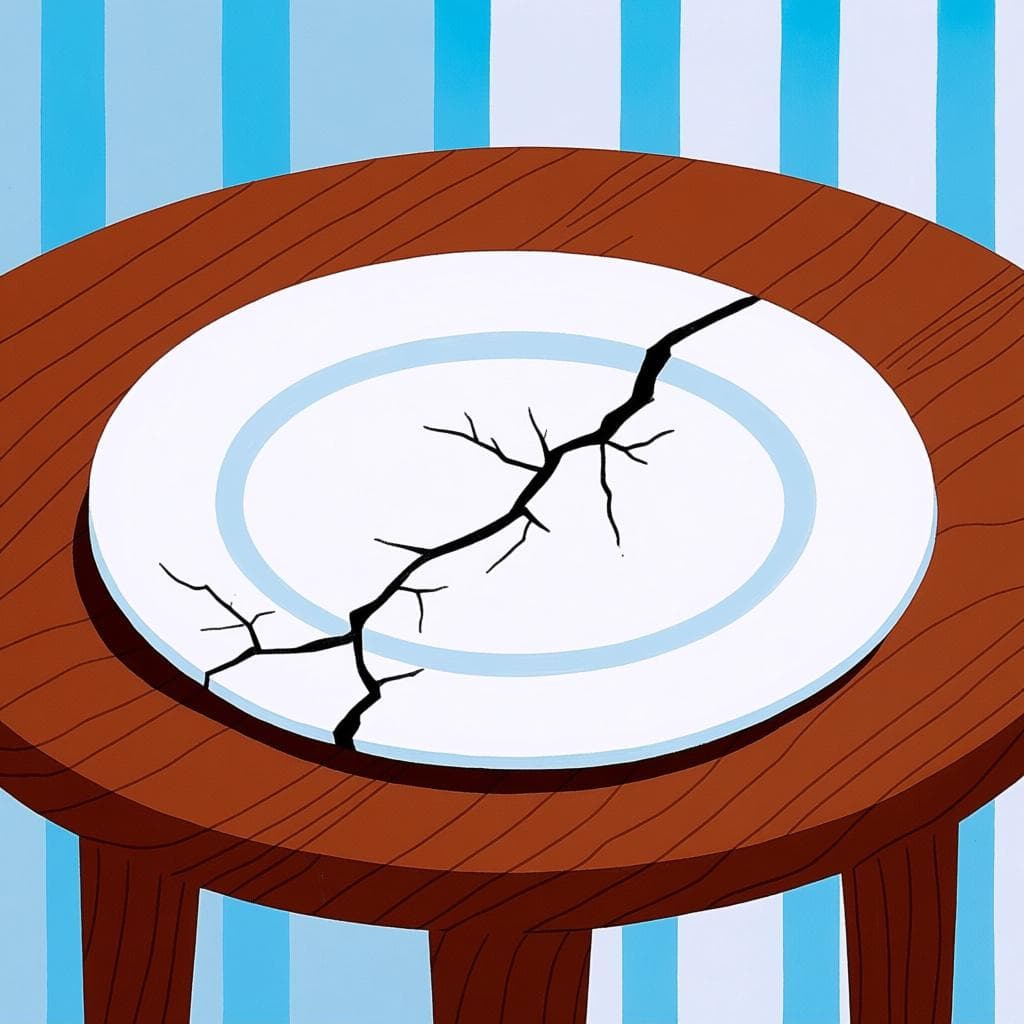

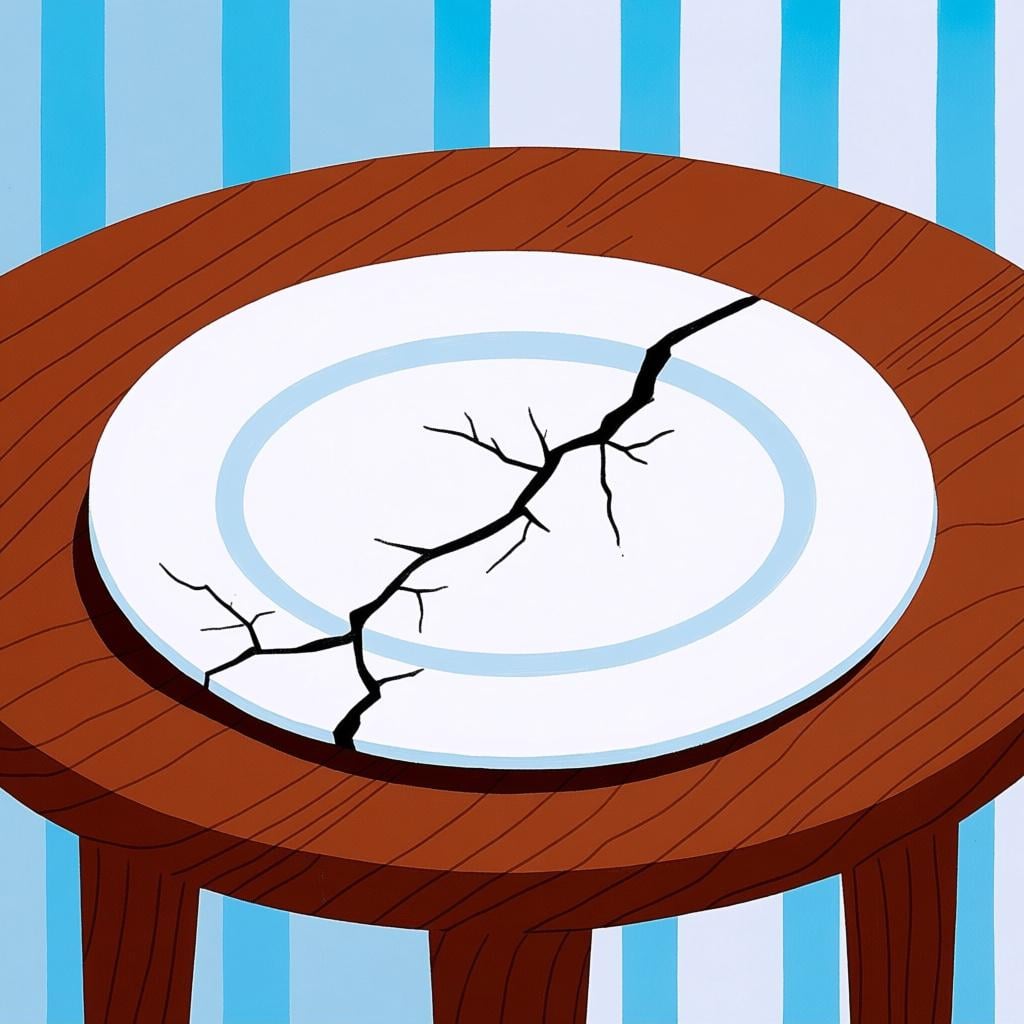
damage, harmAlso: injury, loss
📝 In Action
La tormenta causó mucho daño a los cultivos.
B1The storm caused a lot of damage to the crops.
Fumar hace daño a la salud.
A2Smoking does harm to your health.
El coche sufrió daños leves en el accidente.
B1The car suffered minor damage in the accident.
Word Connections
I damage, I harmAlso: I hurt

📝 In Action
Si no tengo cuidado con el martillo, daño la pared.
B1If I'm not careful with the hammer, I damage the wall.
No quiero decirte esto porque sé que te daño.
B2I don't want to tell you this because I know I hurt you.
Indicative
Present
Imperfect
Preterite
Subjunctive
Present Subjunctive
Imperfect Subjunctive
✏️ Quick Practice
Quick Quiz: daño
Question 1 of 2
Which sentence correctly uses 'daño' to talk about something being harmful?
📚 More Resources
👥 Word Family
🎵 Rhymes
📚 Etymology
From the Latin word 'damnum', which meant 'loss, harm, or a fine'. This ancient root connects it to English words like 'damage', 'damn', and 'indemnity'.
First recorded: 10th century
Cognates (Related words)
💡 Master Spanish
Take your Spanish to the next level. Read 200+ illustrated and narrated Spanish stories tailored to your level with the Inklingo app!
Frequently Asked Questions
What's the difference between 'daño' and 'lesión'?
They are very similar! 'Daño' is more general and can refer to any kind of harm or damage, to a person or an object. 'Lesión' almost always refers to a physical injury on a person or animal's body, like a cut or a sprain.
Can I say 'Mi corazón tiene daño' for a broken heart?
While people would understand you, it sounds a bit clinical. It's much more common and natural to say 'Tengo el corazón roto' (I have a broken heart) or talk about 'daño emocional' (emotional harm).