Inklingo

debamos

/deh-BAH-mohs/

we must

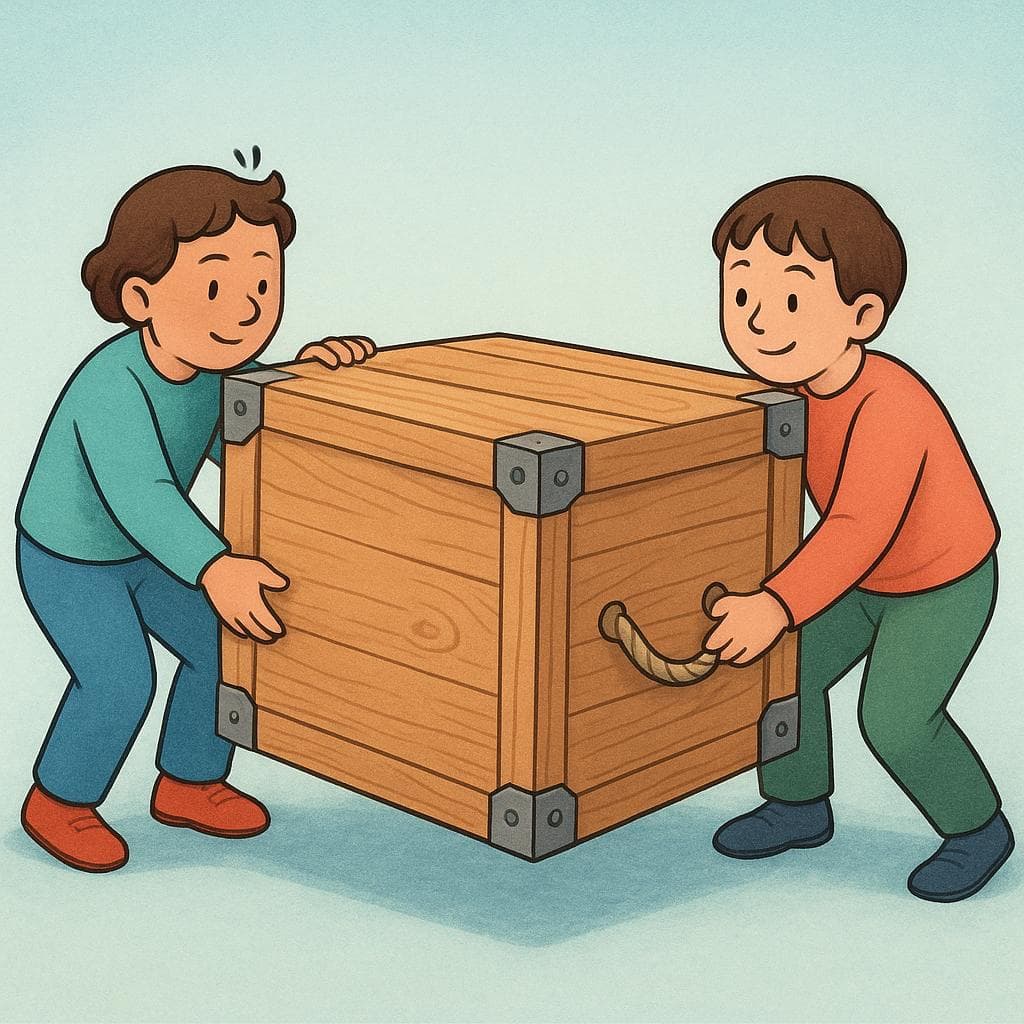
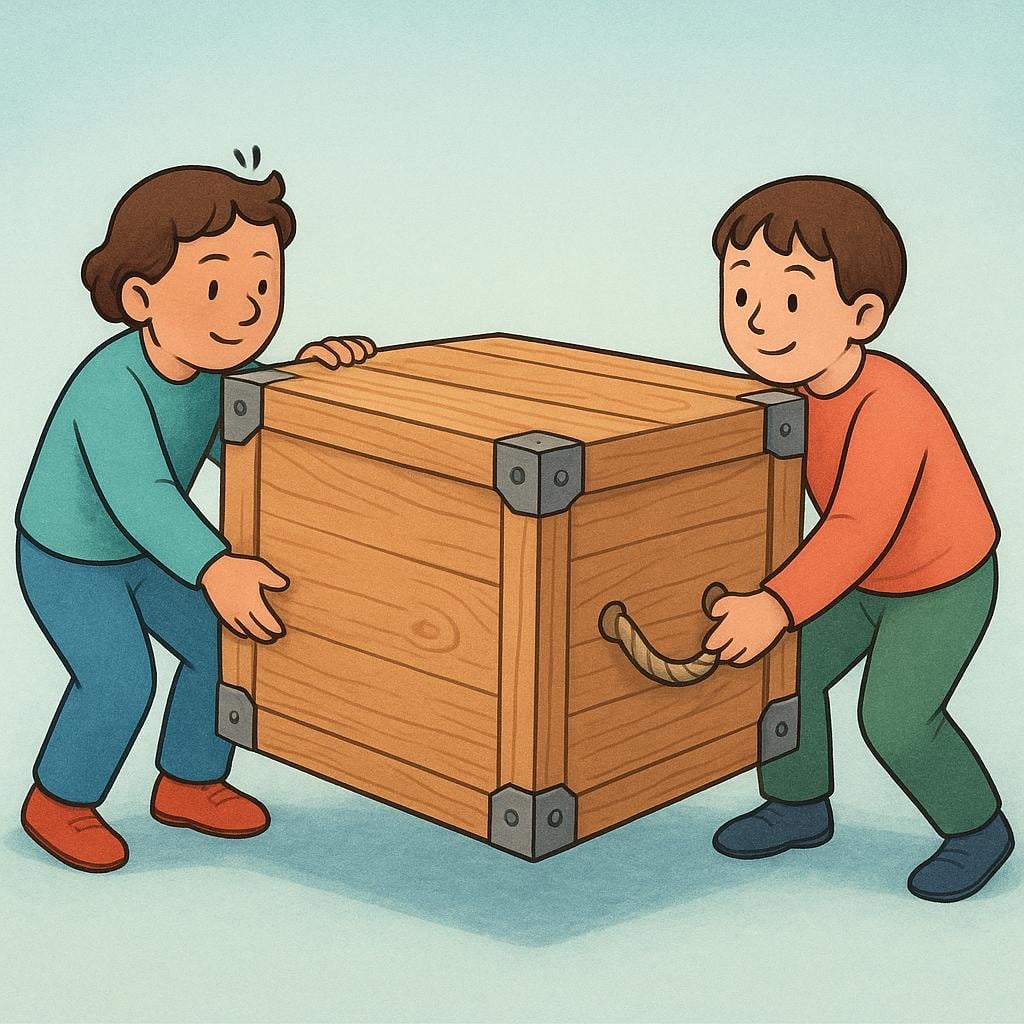
Two people working together, straining slightly, as they lift and carry a very large, heavy wooden box together.

This image shows two people cooperating to move a heavy item, illustrating the shared necessity or obligation implied by "we must."

debamos(verb)

B1regular er

we must

?

expressing necessity or obligation (subjunctive context)

,

we should

?

expressing advice or recommendation (subjunctive context)

Also:

that we have to

?

when following a phrase like 'It is necessary that...'

📝 In Action

Es crucial que debamos actuar rápido para solucionar esto.

B1

It is crucial that we act quickly to solve this.

No creo que debamos salir tan tarde.

B2

I don't think we should leave so late.

Ojalá que no debamos trabajar el fin de semana.

B1

Hopefully, we won't have to work this weekend.

Word Connections

Synonyms

  • tengamos que (we have to)
  • necesitemos (we need)

Common Collocations

  • es necesario que debamosit is necessary that we must
  • no creo que debamosI don't believe we should

💡 Grammar Points

The Special 'Subjunctive' Form

This 'debamos' form is used when the main part of the sentence expresses doubt, desire, command, or necessity (e.g., 'Es importante que...' or 'Dudo que...').

Debamos vs. Debemos

Use 'debemos' (indicative) when you are certain of the obligation ('We must go now'). Use 'debamos' (subjunctive) when the obligation is uncertain or desired ('I hope we must go').

❌ Common Pitfalls

Using the wrong form after doubt

Mistake: "No creo que debemos ir."

Correction: No creo que debamos ir. (When you express doubt, Spanish requires the special 'subjunctive' form.)

⭐ Usage Tips

Always Check the Trigger

If your sentence starts with a phrase showing emotion, doubt, or a wish (like 'Quiero que', 'Es dudoso que'), you almost always need the 'debamos' form, not 'debemos'.

Two small figures jointly holding and presenting a large, tied sack of coins to a single figure standing opposite them, signifying repayment of a debt.

The figures handing over the sack of coins represent the concept of shared debt or obligation to pay, as in "we owe."

debamos(verb)

B2regular er

we owe

?

expressing debt or gratitude (subjunctive context)

Also:

that we might owe

?

when the debt is questionable

📝 In Action

El banco exige que debamos pagar la cuota antes de fin de mes.

B2

The bank demands that we owe/pay the installment before the end of the month.

No estoy seguro de cuánto dinero debamos a Hacienda.

B2

I am not sure how much money we owe the Treasury.

Word Connections

Synonyms

  • adeudemos (we owe (a debt))

💡 Grammar Points

Debt and Uncertainty

When talking about financial or moral debts, 'debamos' is used after verbs of doubt or uncertainty, like 'no estoy seguro de que' (I am not sure that).

🔄 Conjugations

indicative

present

él/ella/usteddebe
yodebo
debes
ellos/ellas/ustedesdeben
nosotrosdebemos
vosotrosdebéis

imperfect

él/ella/usteddebía
yodebía
debías
ellos/ellas/ustedesdebían
nosotrosdebíamos
vosotrosdebíais

preterite

él/ella/usteddebió
yodebí
debiste
ellos/ellas/ustedesdebieron
nosotrosdebimos
vosotrosdebisteis

subjunctive

present

él/ella/usteddeba
yodeba
debas
ellos/ellas/ustedesdeban
nosotrosdebamos
vosotrosdebáis

imperfect

él/ella/usteddebiera / debiese
yodebiera / debiese
debieras / debieses
ellos/ellas/ustedesdebieran / debiesen
nosotrosdebiéramos / debiésemos
vosotrosdebierais / debieseis

✏️ Quick Practice

💡 Quick Quiz: debamos

Question 1 of 1

Which sentence correctly uses 'debamos' instead of 'debemos'?

📚 More Resources

Word Family

debido(due, owed) - adjective

Frequently Asked Questions

When do I use 'debamos' instead of the more common 'debemos'?

'Debemos' means 'we must' and states a fact or certainty. 'Debamos' is a special form used when the obligation is uncertain, desired, or dependent on a feeling or command (e.g., after phrases like 'I doubt that' or 'It is necessary that').

Is 'debamos' a regular or irregular verb form?

'Debamos' comes from the verb 'deber,' which is a fully regular verb. Its conjugation follows the standard pattern for -er verbs, even in the special 'subjunctive' forms.