dejé
“dejé” means “I left” in Spanish. It has 4 different meanings depending on context:
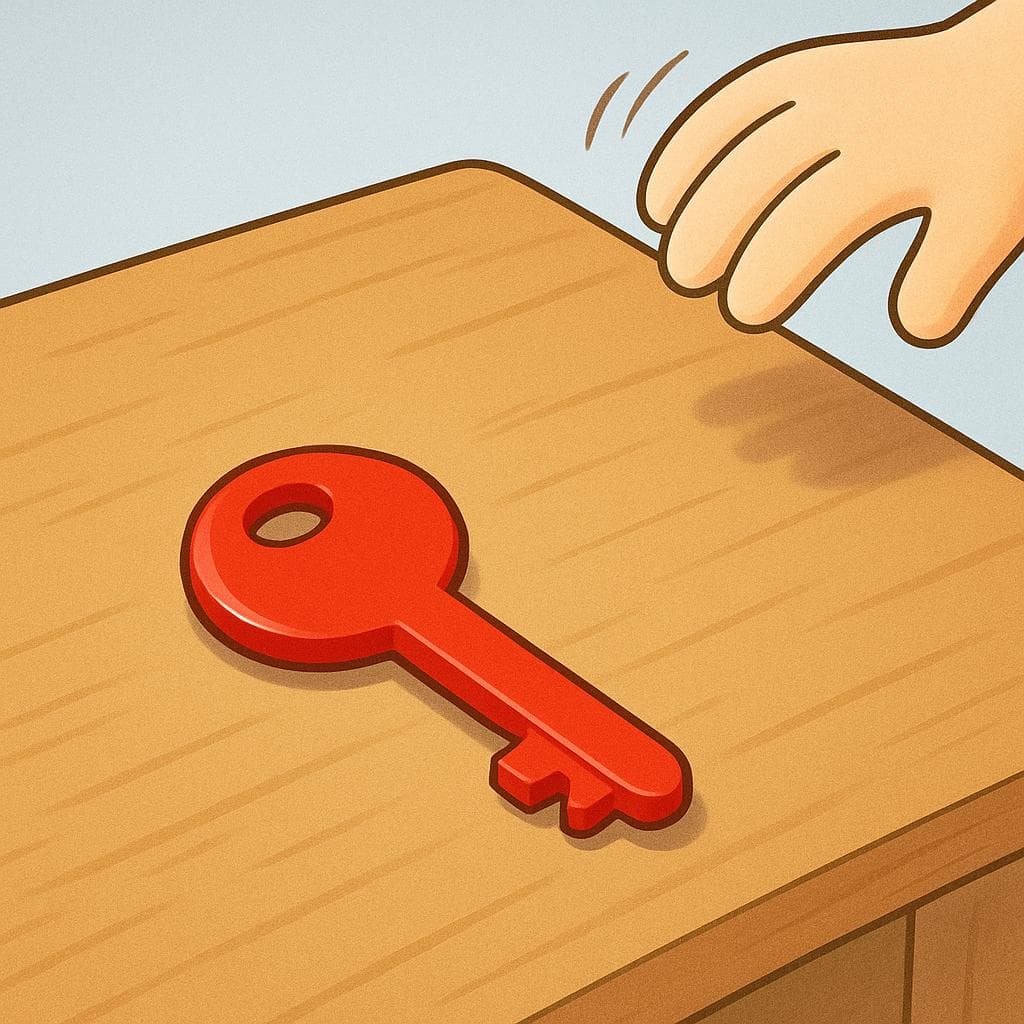
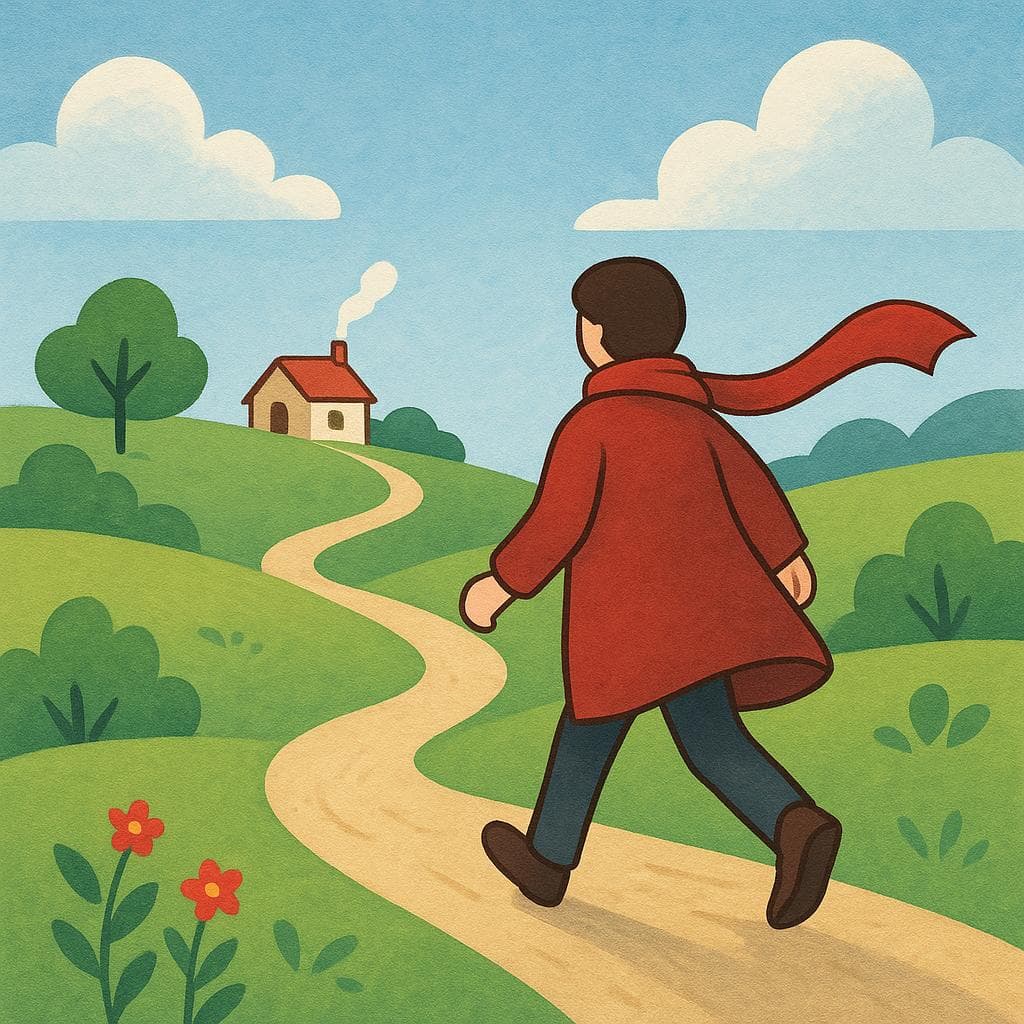


I left
Also: I put down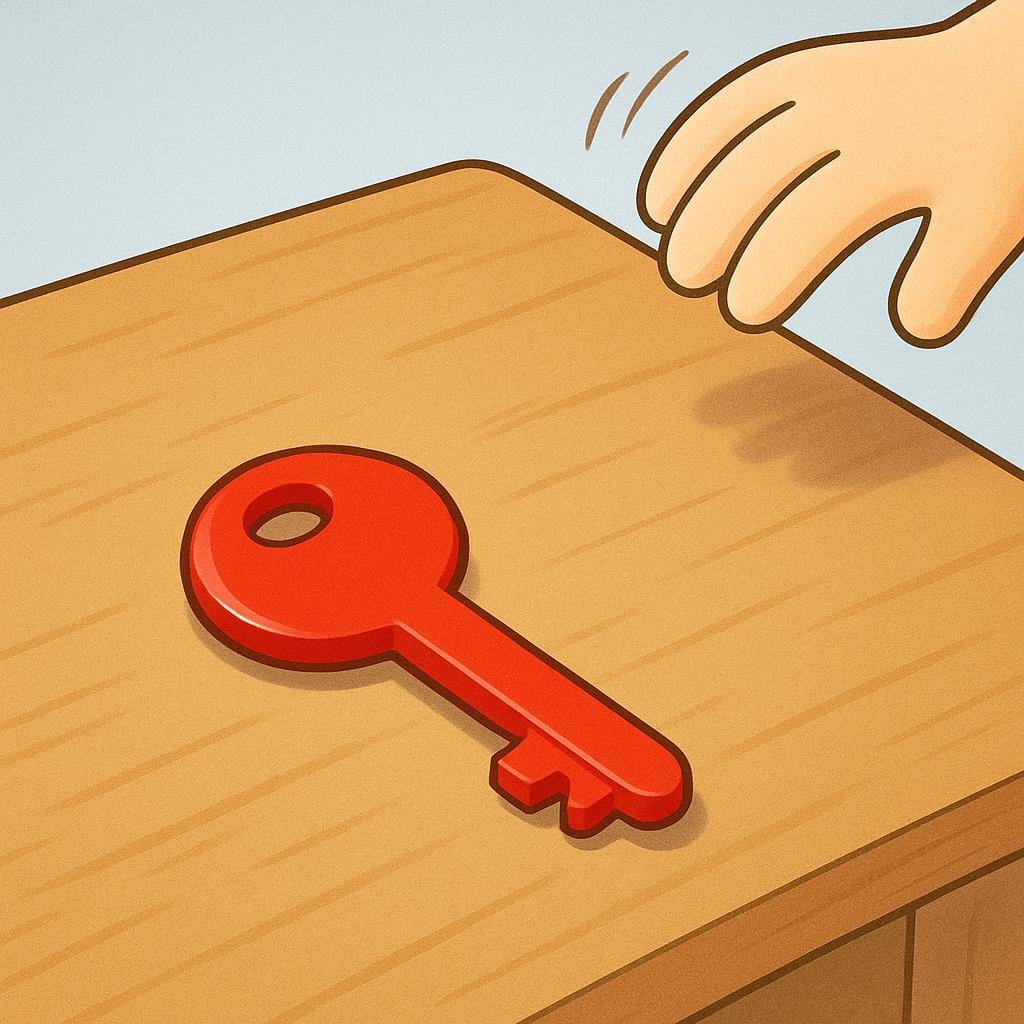
📝 In Action
Dejé las llaves en la mesa de la cocina.
A1I left the keys on the kitchen table.
Ayer dejé mi paraguas en tu coche.
A2Yesterday I left my umbrella in your car.
I left
Also: I broke up with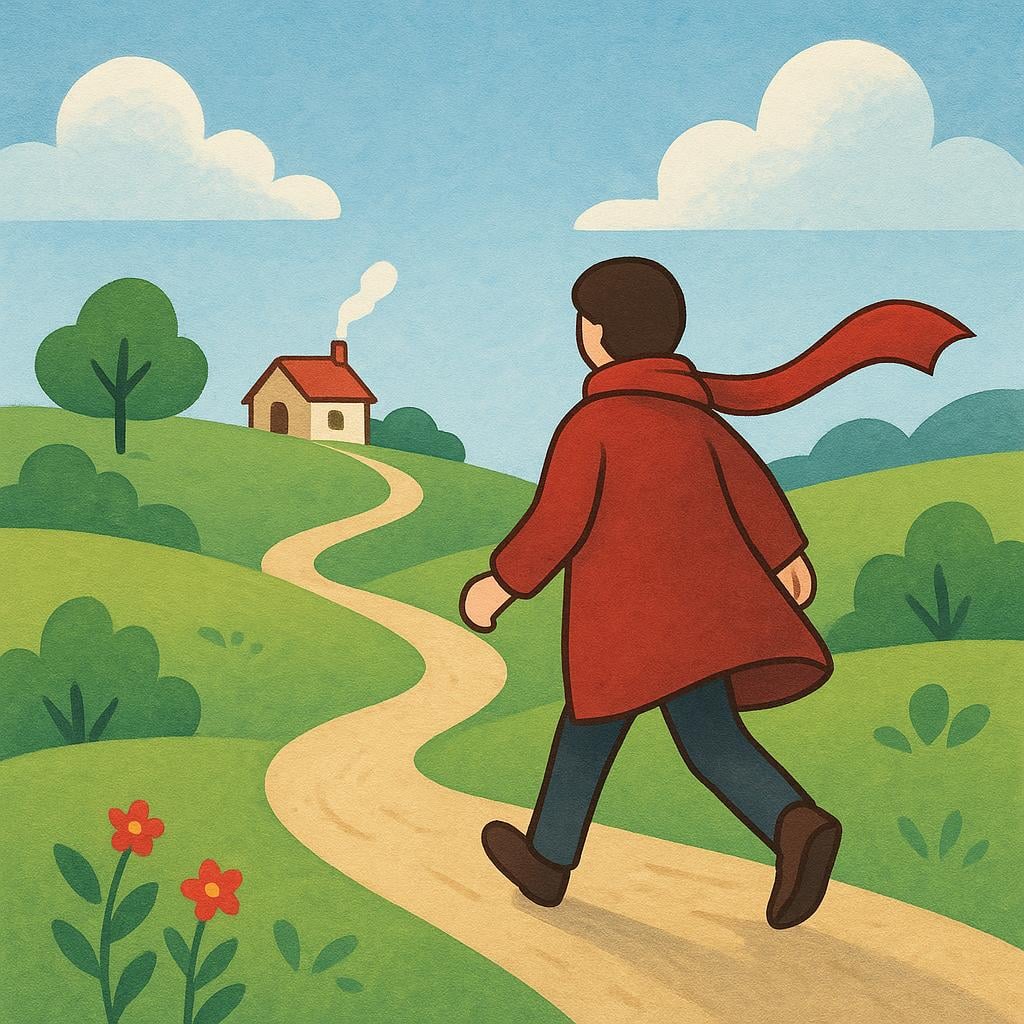
📝 In Action
Dejé a mi novio porque no era honesto.
B1I left (broke up with) my boyfriend because he wasn't honest.
Con mucha tristeza, dejé mi país para buscar trabajo.
B1With great sadness, I left my country to look for work.
I let
Also: I allowed
📝 In Action
El guardia no me dejé pasar sin identificación.
B1The guard didn't let me pass without ID.
Dejé que mi hermana usara mi coche para ir a la fiesta.
B1I let my sister use my car to go to the party.
I quit
Also: I stopped
📝 In Action
Finalmente, dejé de fumar el año pasado.
A2Finally, I quit smoking last year.
Dejé de preocuparme por cosas que no puedo controlar.
B2I stopped worrying about things I can't control.
🔄 Conjugations
indicative
present
imperfect
preterite
subjunctive
present
imperfect
Translate to Spanish
Words that translate to "dejé" in Spanish:
i allowed→✏️ Quick Practice
Quick Quiz: dejé
Question 1 of 2
Which sentence correctly uses 'dejé' to mean 'I quit'?
📚 More Resources
👥 Word Family▼
📚 Etymology▼
Comes from the Latin word 'laxāre', which meant 'to loosen, to release, or to let go'. Over time, its pronunciation and meaning shifted in Spanish to become 'dejar'.
First recorded: Around the 10th century.
Cognates (Related words)
💡 Master Spanish
Take your Spanish to the next level. Read 200+ illustrated and narrated Spanish stories tailored to your level with the Inklingo app!
Frequently Asked Questions
What's the difference between 'dejé' and 'dejaba'?
Both are past tenses, but they tell a different kind of story. 'Dejé' (the preterite) is for a specific, completed action, like 'Ayer dejé las llaves en casa' (Yesterday I left the keys at home). 'Dejaba' (the imperfect) is for repeated or ongoing actions in the past, like 'Siempre dejaba las llaves en casa' (I always used to leave the keys at home).
Can I say 'Me dejé'?
Yes, but it changes the meaning! 'Dejarse' means 'to let oneself' do something or 'to neglect oneself'. For example, 'Me dejé llevar por la emoción' means 'I let myself get carried away by the emotion'.