dejarás
“dejarás” means “you will leave” in Spanish. It has 2 different meanings depending on context:
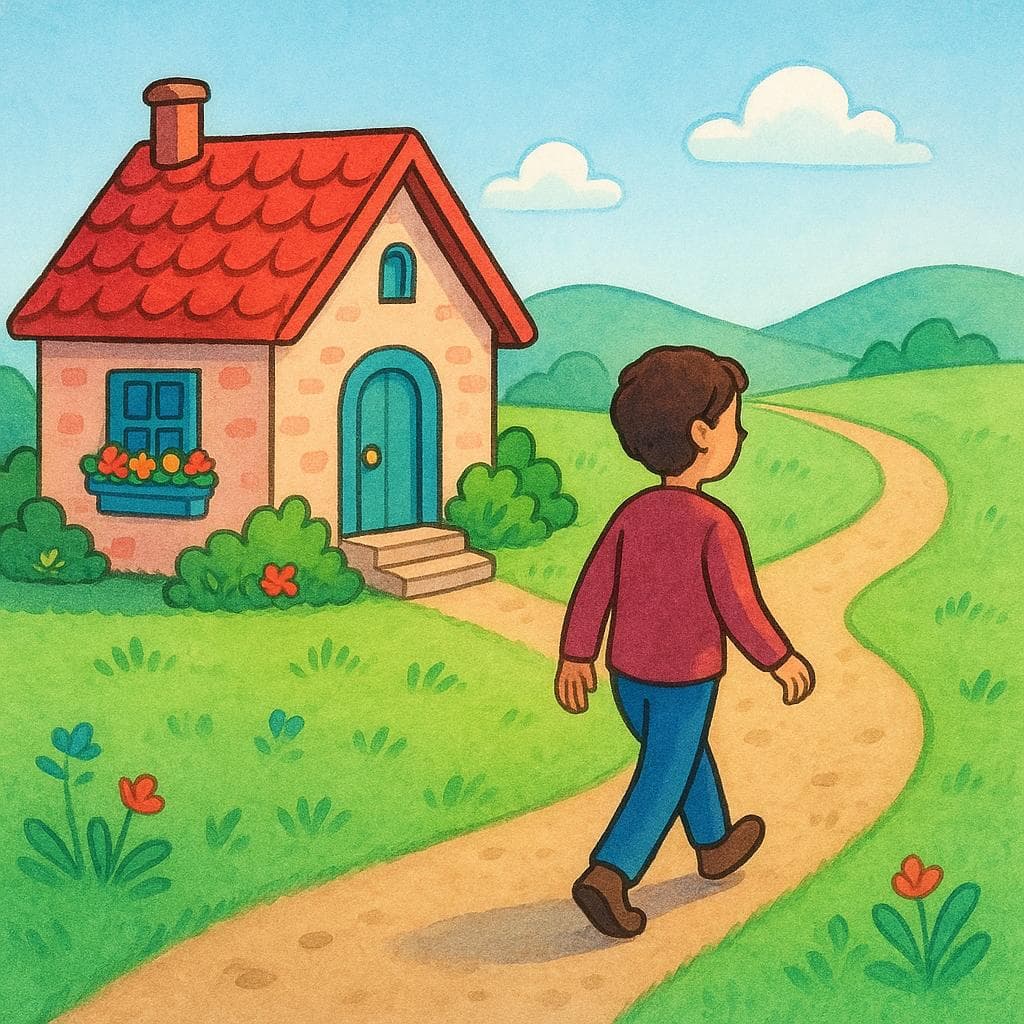
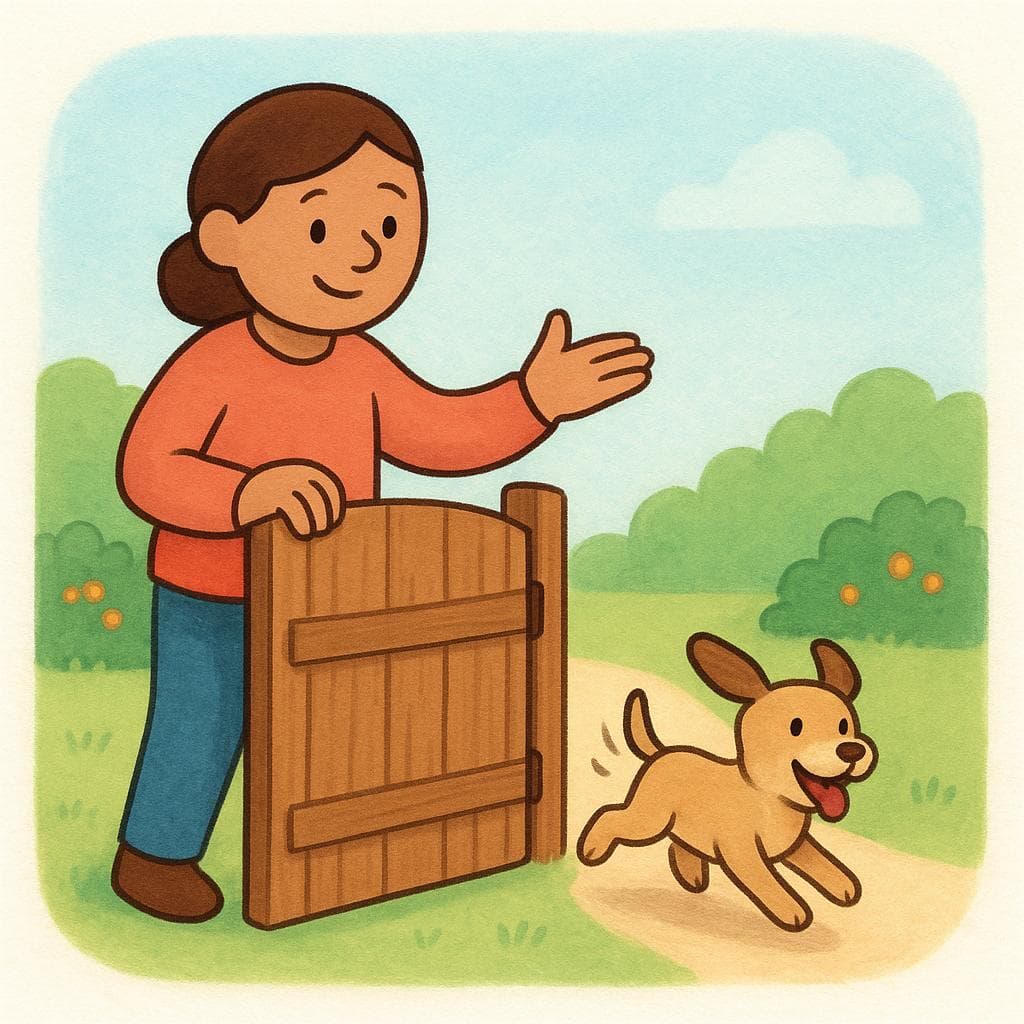
you will leave
Also: you will abandon, you will drop off
📝 In Action
Si te vas de viaje, ¿dónde dejarás a tu perro?
A2If you go on a trip, where will you leave your dog?
Dejarás las llaves sobre la mesa antes de irte.
A1You will leave the keys on the table before you go.
Cuando crezcas, dejarás la casa de tus padres.
B1When you grow up, you will leave your parents' house.
you will let
Also: you will allow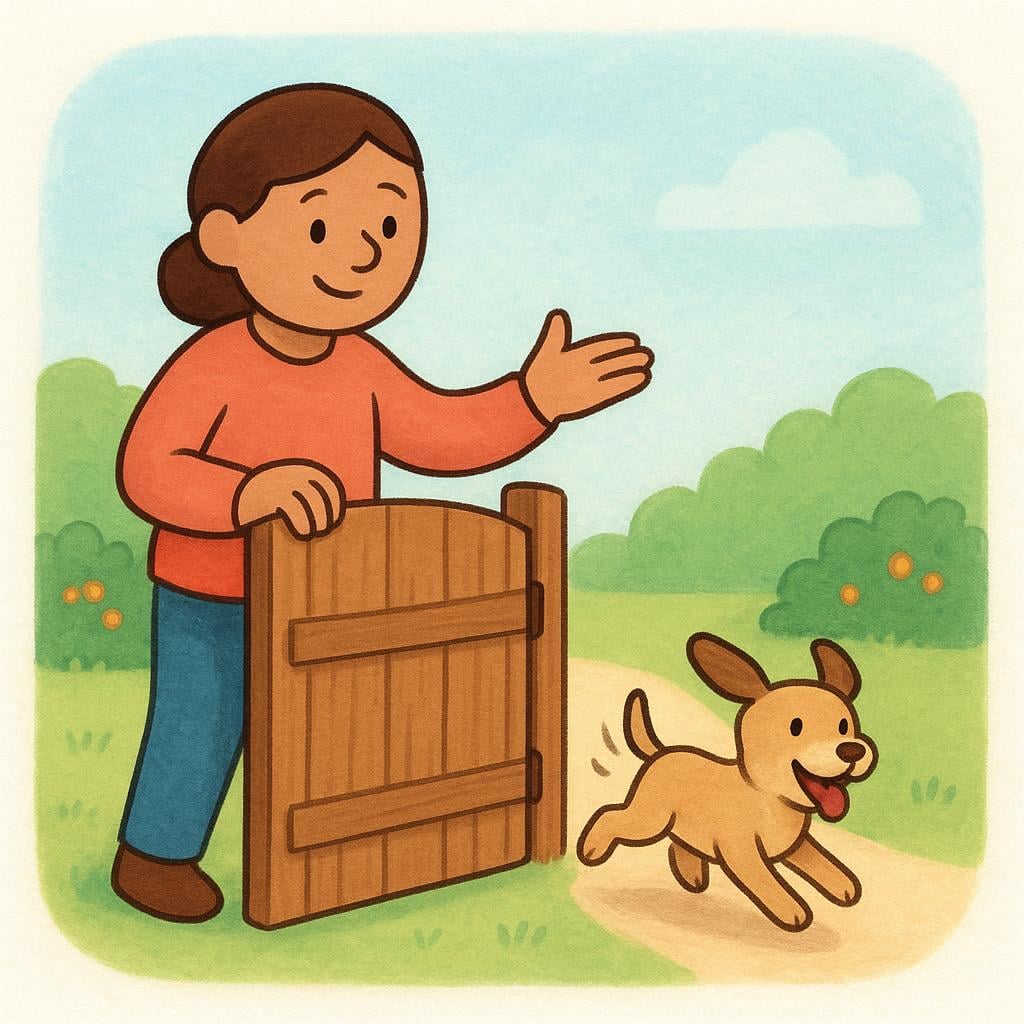
📝 In Action
Si eres bueno, tu padre te dejarás ver la televisión.
B1If you are good, your father will let you watch television.
No dejarás que los problemas te afecten.
B2You won't let the problems affect you.
Me dejarás usar tu computadora, ¿verdad?
A2You will let me use your computer, right?
🔄 Conjugations
indicative
present
imperfect
preterite
subjunctive
present
imperfect
✏️ Quick Practice
Quick Quiz: dejarás
Question 1 of 1
Which sentence correctly uses 'dejarás' in the sense of 'to allow'?
📚 More Resources
👥 Word Family▼
🎵 Rhymes▼
📚 Etymology▼
Comes from the vulgar Latin verb *laxare*, meaning 'to loosen' or 'to set free.' This root evolved in Spanish to cover both the meaning of setting something free (allowing it) and leaving something behind (releasing it from your possession).
First recorded: Around the 10th century in early Romance texts.
Cognates (Related words)
💡 Master Spanish
Take your Spanish to the next level. Read 200+ illustrated and narrated Spanish stories tailored to your level with the Inklingo app!
Frequently Asked Questions
Is 'dejarás' the formal or informal way to say 'you will leave'?
'Dejarás' is the informal way, used with 'tú' (you). If you need to speak formally to a superior or someone you don't know well, you would use the 'usted' form, which is 'dejará'.
How is 'dejarás' different from 'vas a dejar'?
Both mean 'you will leave/let.' 'Dejarás' is the simple future tense, often used for distant future plans or promises. 'Vas a dejar' (the immediate future) is more common in everyday spoken Spanish for actions happening soon.