dejarla
“dejarla” means “to leave it (behind)” in Spanish. It has 3 different meanings depending on context:
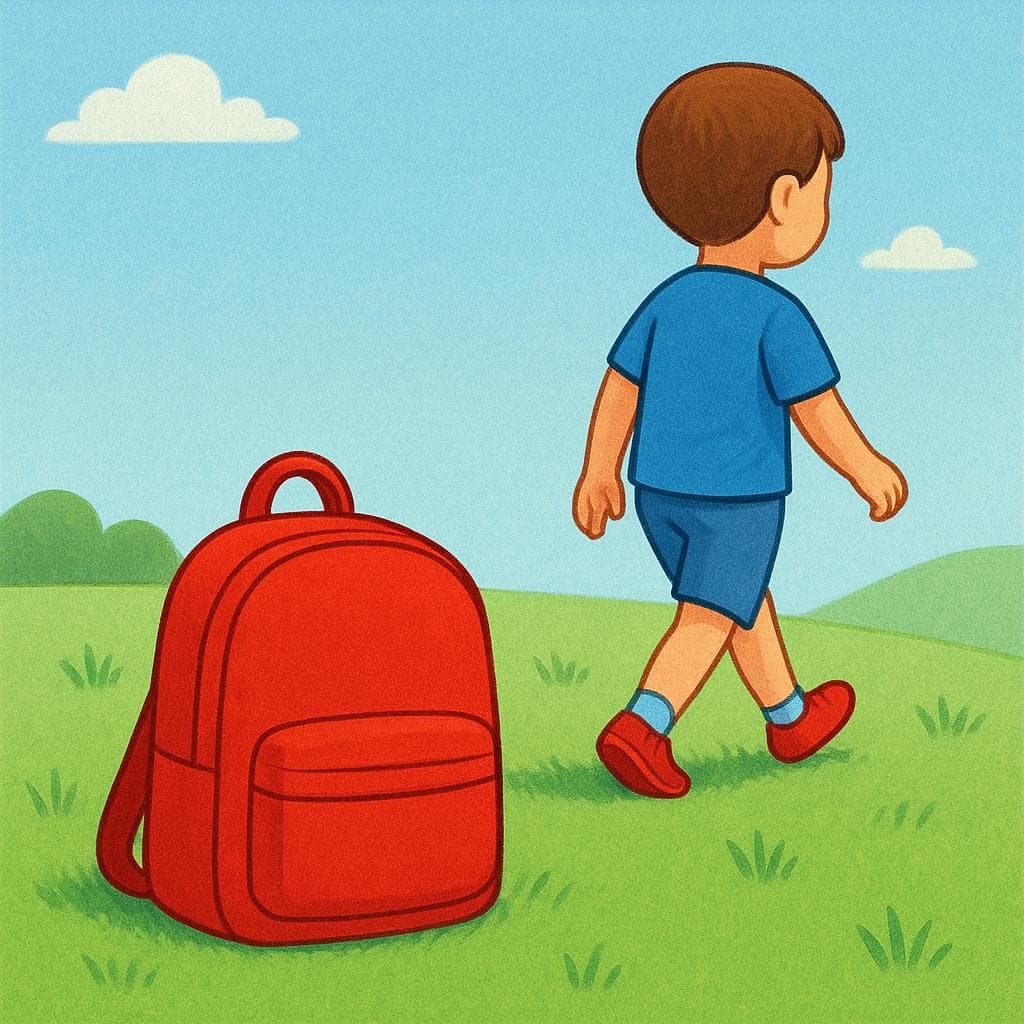


to leave it (behind), to let it go
Also: to set it down
📝 In Action
Olvidé la cartera, tengo que volver a casa para *dejarla*.
A2I forgot the wallet, I have to go back home to leave it.
Si la situación es muy tensa, es mejor *dejarla* por ahora.
B1If the situation is very tense, it's better to leave it (alone) for now.
to let her, to permit it
Also: to afford her
📝 In Action
No podemos *dejarla* salir tan tarde sin supervisión.
B1We cannot let her go out so late without supervision.
Si ella quiere ir a la fiesta, hay que *dejarla*.
A2If she wants to go to the party, we have to let her.
to break up with her, to abandon her
Also: to quit it
📝 In Action
Después de diez años, no sé cómo voy a *dejarla*.
B2After ten years, I don't know how I'm going to break up with her.
Prometimos ayudarla, no podemos *dejarla* sola ahora.
B2We promised to help her, we can't abandon her now.
Indicative
Present
Imperfect
Preterite
Subjunctive
Present Subjunctive
Imperfect Subjunctive
✏️ Quick Practice
Quick Quiz: dejarla
Question 1 of 1
Which sentence correctly uses 'dejarla' in the sense of 'to allow her'?
📚 More Resources
👥 Word Family▼
🎵 Rhymes▼
📚 Etymology▼
'Dejarla' is a modern Spanish construction combining the verb 'dejar' and the pronoun 'la'. 'Dejar' comes from the Latin verb *laxāre*, meaning 'to loosen' or 'to relax,' which evolved into the modern sense of 'to leave' or 'to let go.'
First recorded: The base verb 'dejar' is documented since early Spanish, but the specific attachment of pronouns to infinitives became standardized during the Middle Ages.
Cognates (Related words)
💡 Master Spanish
Take your Spanish to the next level. Read 200+ illustrated and narrated Spanish stories tailored to your level with the Inklingo app!
Frequently Asked Questions
Why is 'dejarla' one word, but sometimes 'la' comes before the verb?
When the verb is in its base form (the infinitive, 'dejar'), the pronoun 'la' must attach to the end, making one word ('dejarla'). If the verb is conjugated (like 'dejo' or 'dejas'), the pronoun separates and goes before the conjugated verb (e.g., 'La dejo').
What happens if the object is masculine instead of feminine?
If the object is masculine singular (like 'el coche'), you would use the pronoun 'lo' instead of 'la,' resulting in the word 'dejarlo' (to leave it/him).