dejaría
“dejaría” means “would leave” in Spanish. It has 3 different meanings depending on context:



would leave
Also: would set aside
📝 In Action
Yo no dejaría mi trabajo por esa oferta.
A2I would not leave my job for that offer.
Él dejaría el coche en el garaje si lloviera.
B1He would leave the car in the garage if it rained.
would let
Also: would allow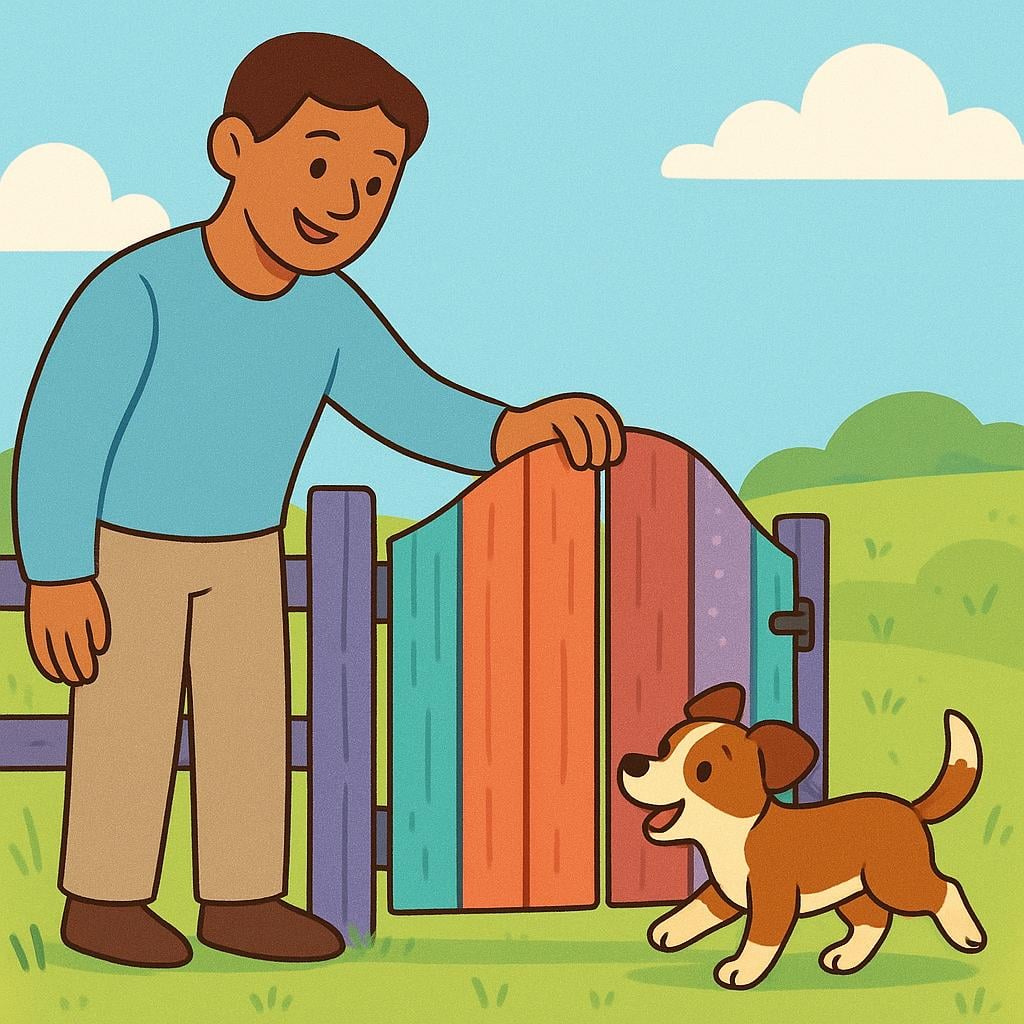
📝 In Action
Mi madre nunca dejaría que me fuera tan tarde.
B1My mother would never let me go out that late.
¿Tú dejarías a los niños jugar en la calle?
B2Would you let the children play in the street?
would quit
Also: would cease
📝 In Action
Si tuviera más dinero, dejaría de trabajar mañana mismo.
B2If I had more money, I would quit working tomorrow.
Ella dejaría de quejarse si le dieras un café.
C1She would stop complaining if you gave her a coffee.
Indicative
Present
Imperfect
Preterite
Subjunctive
Present Subjunctive
Imperfect Subjunctive
Translate to Spanish
Words that translate to "dejaría" in Spanish:
would allow→would cease→would leave→would let→would quit→✏️ Quick Practice
Quick Quiz: dejaría
Question 1 of 2
Which English phrase correctly translates 'Si yo fuera rico, dejaría de trabajar'?
📚 More Resources
👥 Word Family▼
🎵 Rhymes▼
📚 Etymology▼
The Spanish verb 'dejar' comes from the older Latin verb *laxare*, which meant 'to loosen' or 'to relax.' Over time, this sense of 'letting go' evolved into 'leaving' something behind or 'allowing' an action.
First recorded: 10th century
Cognates (Related words)
💡 Master Spanish
Take your Spanish to the next level. Read 200+ illustrated and narrated Spanish stories tailored to your level with the Inklingo app!
Frequently Asked Questions
Is 'dejaría' only used for 'I' and 'He/She/You formal'?
Yes. The form 'dejaría' is the same for the first-person singular ('Yo' - I) and the third-person singular ('Él, Ella, Usted' - He, She, Formal You) in the conditional tense.
How do I know if 'dejaría' means 'would leave' or 'would let'?
Look at what follows the verb. If it's a person and another action (like 'dejaría que hicieras' - would let you do), it means 'allow.' If it's a place or object ('dejaría el libro' - would leave the book), it means 'abandon/place.'