Inklingo

dejé

/de-HEH/

I left

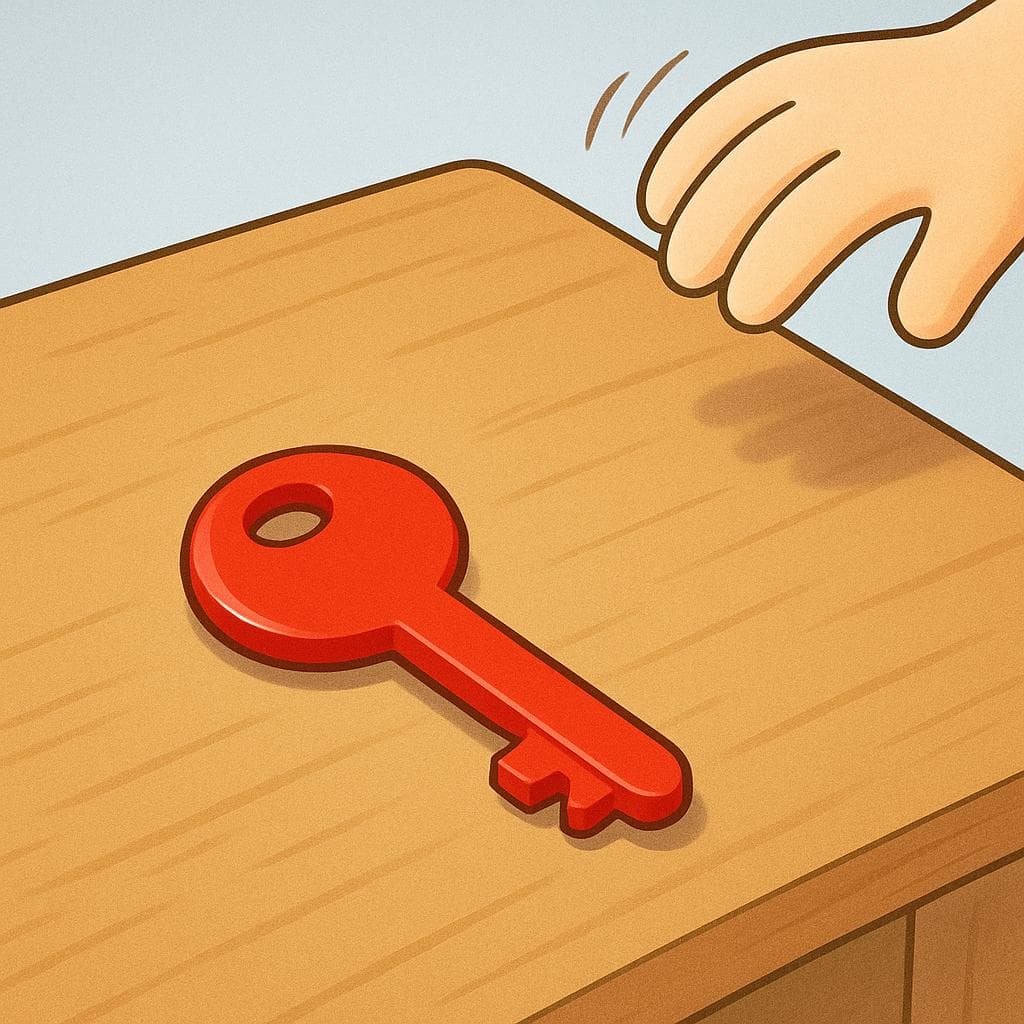
A close-up view of a single red key resting on a wooden surface, suggesting it has just been placed there.

I left (placing an object somewhere).

dejé(Verb)

A1regular ar

I left

?

placing an object somewhere

Also:

I put down

?

setting something down

📝 In Action

Dejé las llaves en la mesa de la cocina.

A1

I left the keys on the kitchen table.

Ayer dejé mi paraguas en tu coche.

A2

Yesterday I left my umbrella in your car.

Word Connections

Synonyms

  • coloqué (I placed)

Antonyms

  • recogí (I picked up)
  • tomé (I took)

Common Collocations

  • dejé una notaI left a note
  • dejé un mensajeI left a message

💡 Grammar Points

A Completed Past Action

'Dejé' is used for actions that 'I' started and finished at a specific point in the past. It's the past tense form known as the preterite for 'yo' (I).

⭐ Usage Tips

Remember the Accent

The little line over the 'é' is super important! 'Dejé' (de-HEH) means 'I left' in the past. Without it, 'deje' (DEH-heh) means something completely different, like a command 'Leave!'.

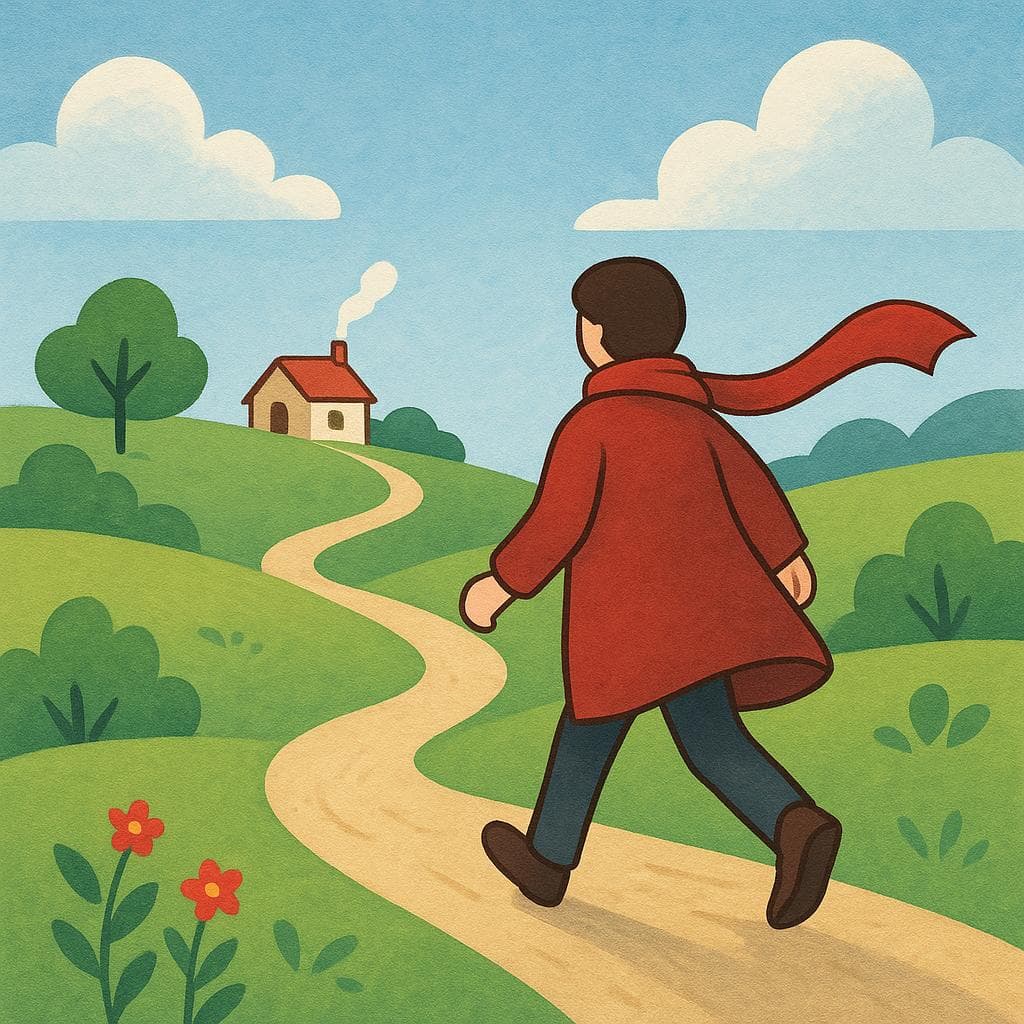
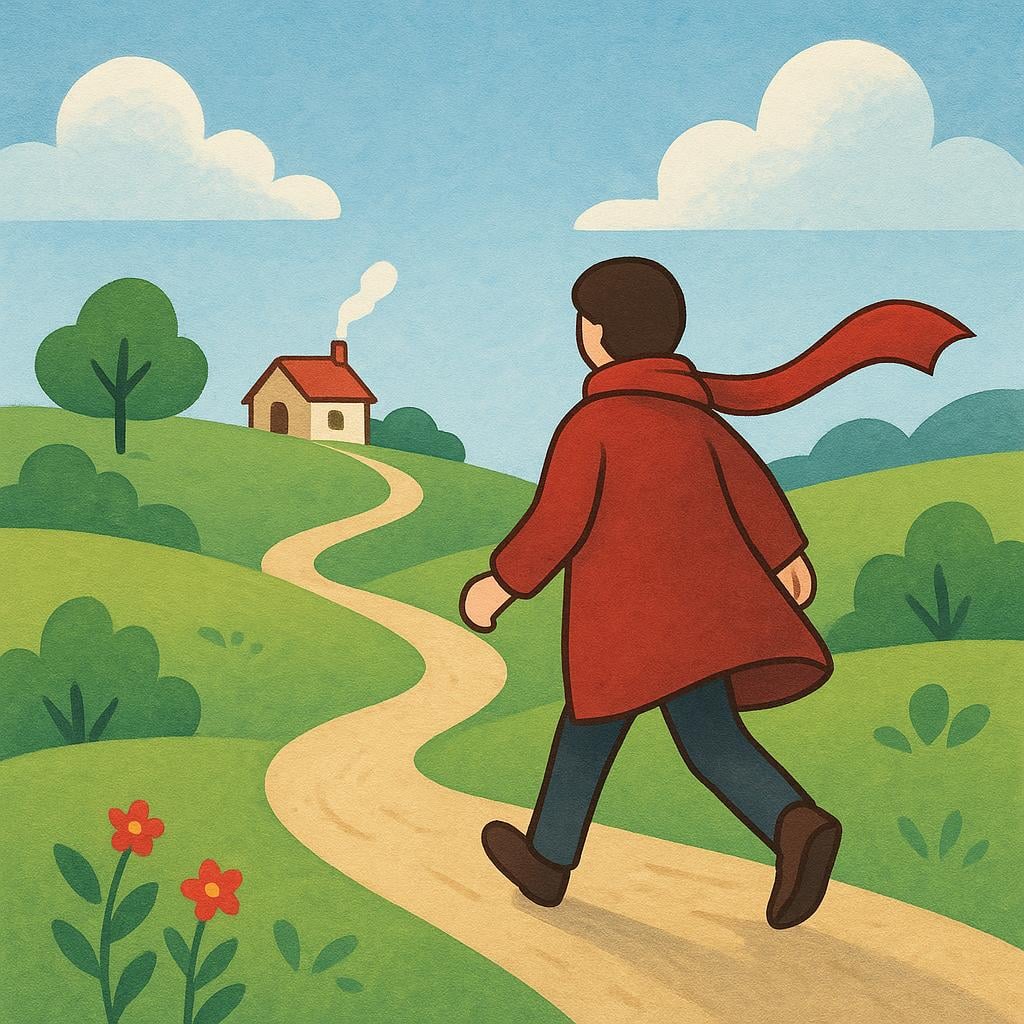
A solitary figure seen from behind, walking down a path away from a small, distant cottage, emphasizing departure or abandonment.

I left (abandoning a place).

dejé(Verb)

A2regular ar

I left

?

abandoning a person, place, or situation

Also:

I broke up with

?

ending a romantic relationship

📝 In Action

Dejé a mi novio porque no era honesto.

B1

I left (broke up with) my boyfriend because he wasn't honest.

Con mucha tristeza, dejé mi país para buscar trabajo.

B1

With great sadness, I left my country to look for work.

Word Connections

Synonyms

  • abandoné (I abandoned)

Antonyms

  • me quedé con (I stayed with)

❌ Common Pitfalls

Leaving a Place: 'Dejé' vs. 'Salí'

Mistake: "Dejé la fiesta a las diez."

Correction: Salí de la fiesta a las diez. Think of 'salir' as 'to exit' a place. You use 'dejar' when you are leaving something or someone *behind* in that place.

A friendly cartoon figure standing next to a wide-open wooden gate, gesturing invitingly for another figure to pass through, symbolizing permission.

I let (allowing or permitting).

dejé(Verb)

B1regular ar

I let

?

allowing or permitting

Also:

I allowed

?

giving permission

📝 In Action

El guardia no me dejé pasar sin identificación.

B1

The guard didn't let me pass without ID.

Dejé que mi hermana usara mi coche para ir a la fiesta.

B1

I let my sister use my car to go to the party.

Word Connections

Synonyms

  • permití (I permitted)

Antonyms

  • impedí (I prevented)
  • prohibí (I prohibited)

Common Collocations

  • dejé que él eligieraI let him choose

💡 Grammar Points

How to Say 'I let someone do something'

You can use the structure 'dejé' + another verb in its basic '-ar/-er/-ir' form. For example, 'La dejé hablar' (I let her speak).

An Alternative Structure: 'Dejar que...'

You can also say 'dejé que' + a person + a verb in a special form (the subjunctive). For instance, 'Dejé que mi amigo condujera' (I let my friend drive). Both ways work!

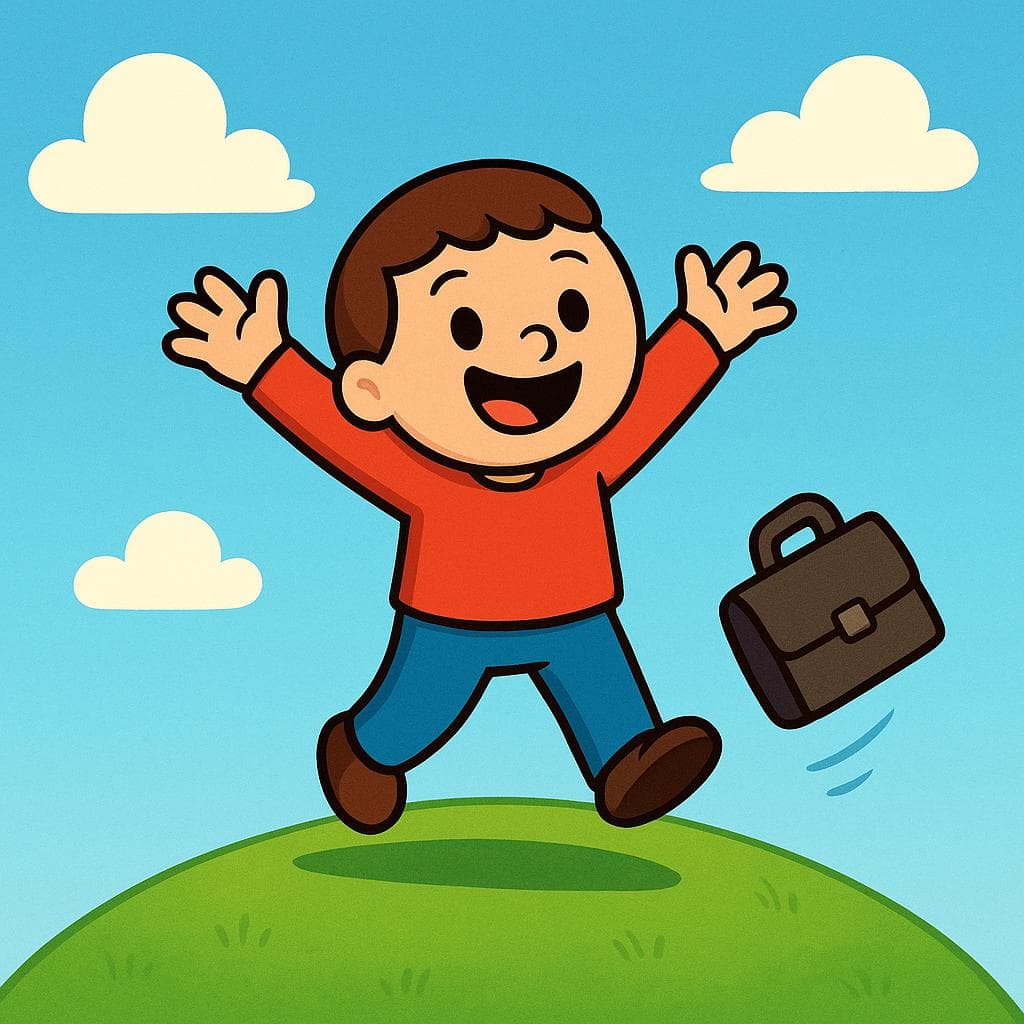
A stylized figure standing on a hilltop, raising their arms in triumph as a small briefcase drops from their hand, symbolizing quitting a job or commitment.

I quit (stopping a job).

dejé(Verb)

B1regular ar

I quit

?

stopping a habit or job

Also:

I stopped

?

ceasing an activity

📝 In Action

Finalmente, dejé de fumar el año pasado.

A2

Finally, I quit smoking last year.

Dejé de preocuparme por cosas que no puedo controlar.

B2

I stopped worrying about things I can't control.

Word Connections

Synonyms

  • paré de (I stopped)

Antonyms

  • empecé a (I started to)
  • comencé a (I began to)

Common Collocations

  • dejé de intentarloI stopped trying

💡 Grammar Points

The Magic Formula: 'Dejar de'

To say you stopped doing something, always use the phrase 'dejé de' followed by the basic '-ar/-er/-ir' form of the verb. For example, 'dejé de correr' (I stopped running).

🔄 Conjugations

indicative

present

él/ella/usteddeja
yodejo
dejas
ellos/ellas/ustedesdejan
nosotrosdejamos
vosotrosdejáis

imperfect

él/ella/usteddejaba
yodejaba
dejabas
ellos/ellas/ustedesdejaban
nosotrosdejábamos
vosotrosdejabais

preterite

él/ella/usteddejó
yodejé
dejaste
ellos/ellas/ustedesdejaron
nosotrosdejamos
vosotrosdejasteis

subjunctive

present

él/ella/usteddeje
yodeje
dejes
ellos/ellas/ustedesdejen
nosotrosdejemos
vosotrosdejéis

imperfect

él/ella/usteddejara
yodejara
dejaras
ellos/ellas/ustedesdejaran
nosotrosdejáramos
vosotrosdejarais

✏️ Quick Practice

💡 Quick Quiz: dejé

Question 1 of 2

Which sentence correctly uses 'dejé' to mean 'I quit'?

📚 More Resources

Frequently Asked Questions

What's the difference between 'dejé' and 'dejaba'?

Both are past tenses, but they tell a different kind of story. 'Dejé' (the preterite) is for a specific, completed action, like 'Ayer dejé las llaves en casa' (Yesterday I left the keys at home). 'Dejaba' (the imperfect) is for repeated or ongoing actions in the past, like 'Siempre dejaba las llaves en casa' (I always used to leave the keys at home).

Can I say 'Me dejé'?

Yes, but it changes the meaning! 'Dejarse' means 'to let oneself' do something or 'to neglect oneself'. For example, 'Me dejé llevar por la emoción' means 'I let myself get carried away by the emotion'.