dentro
“dentro” means “inside” in Spanish. It has 2 different meanings depending on context:
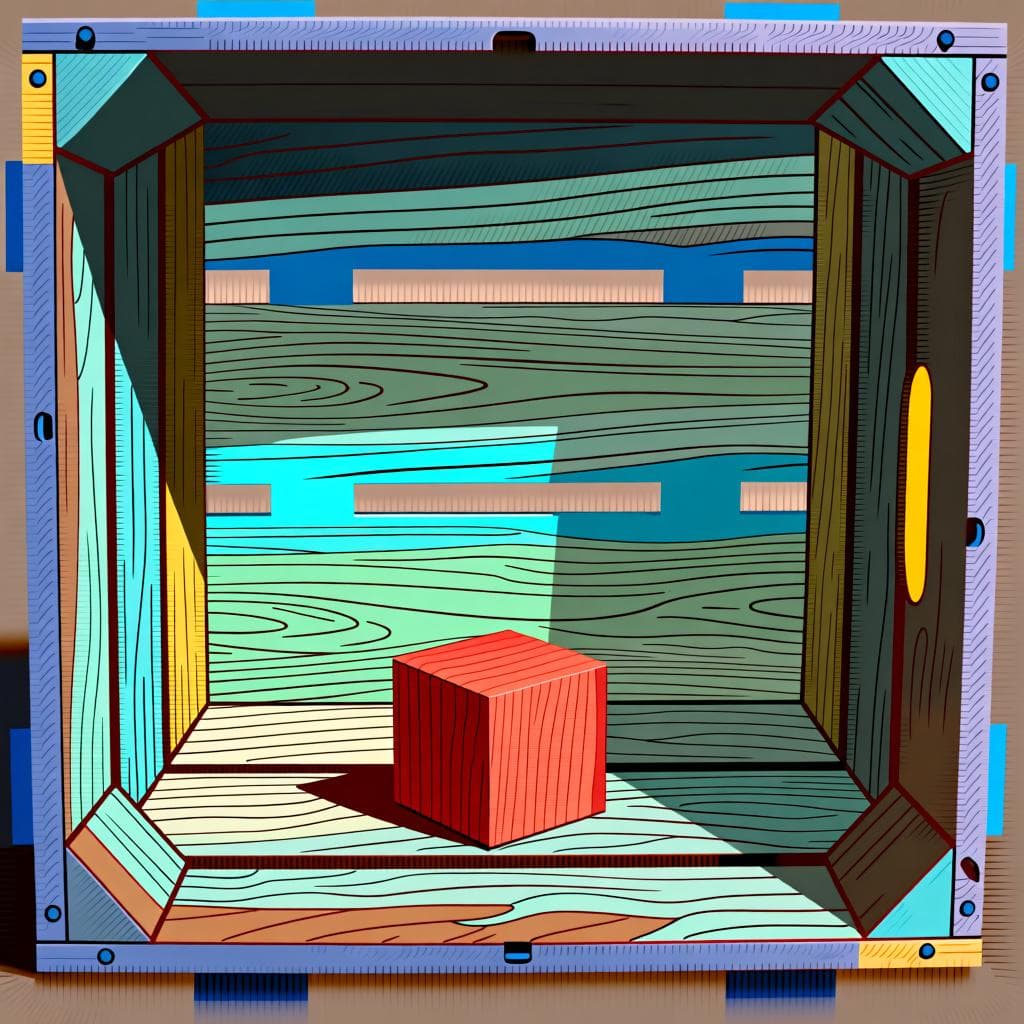

insideAlso: indoors

📝 In Action
Hace frío, vamos a jugar dentro.
A1It's cold, let's play inside.
Por favor, espere dentro.
A2Please, wait inside.
Miró hacia dentro, pero no vio a nadie.
B1He looked inside, but he didn't see anyone.
Word Connections

📝 In Action
Las llaves están dentro del coche.
A2The keys are inside the car.
La reunión empieza dentro de cinco minutos.
B1The meeting starts in five minutes.
Debes completar la tarea dentro de una semana.
B1You must complete the task within a week.
Hay mucha alegría dentro de esta casa.
B2There is a lot of joy inside this house.
Word Connections
🔀 Commonly Confused With
Translate to Spanish
✏️ Quick Practice
Quick Quiz: dentro
Question 1 of 2
Which sentence is correct?
📚 More Resources
📚 Etymology
Comes from the Latin phrase 'de intro', which literally means 'from within'. Over time, the two words merged together in Spanish to become 'dentro'.
First recorded: Around the 12th century
Cognates (Related words)
💡 Master Spanish
Take your Spanish to the next level. Read 200+ illustrated and narrated Spanish stories tailored to your level with the Inklingo app!
Frequently Asked Questions
What's the difference between 'dentro' and 'adentro'?
They're very similar! 'Dentro' is more of a general location ('Estamos dentro' - We are inside). 'Adentro' often suggests movement *into* a place ('¡Vamos adentro!' - Let's go inside!). If you're ever unsure, 'dentro' is usually the safer bet.
Can I just say 'en' instead of 'dentro de'?
Sometimes, but 'dentro de' is often clearer. To say 'The keys are in the car,' you can say 'Las llaves están en el coche.' But 'Las llaves están dentro del coche' emphasizes that they are physically *inside* it. For time, like 'in 5 minutes,' 'dentro de 5 minutos' is the most common and correct way to say it.