depresión
“depresión” means “depression” in Spanish. It has 3 different meanings depending on context:
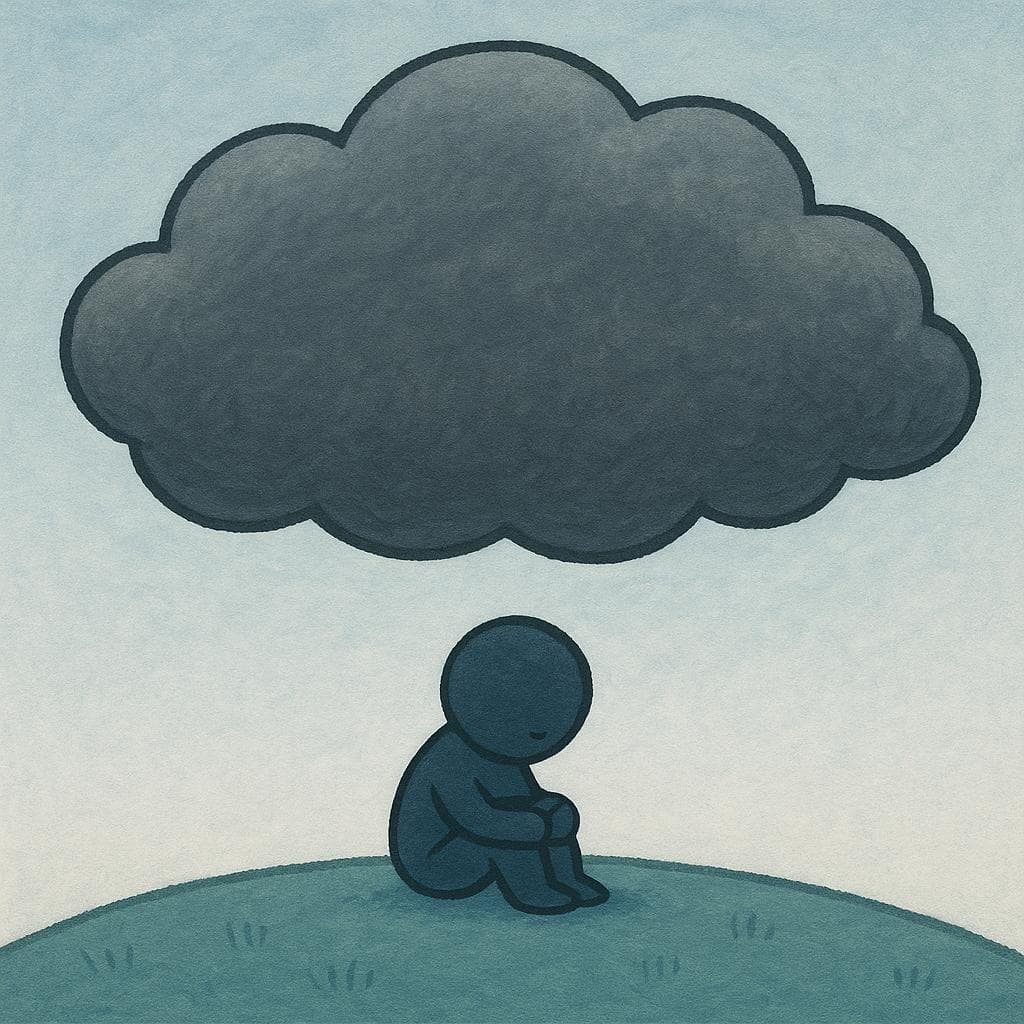


depression
Also: clinical depression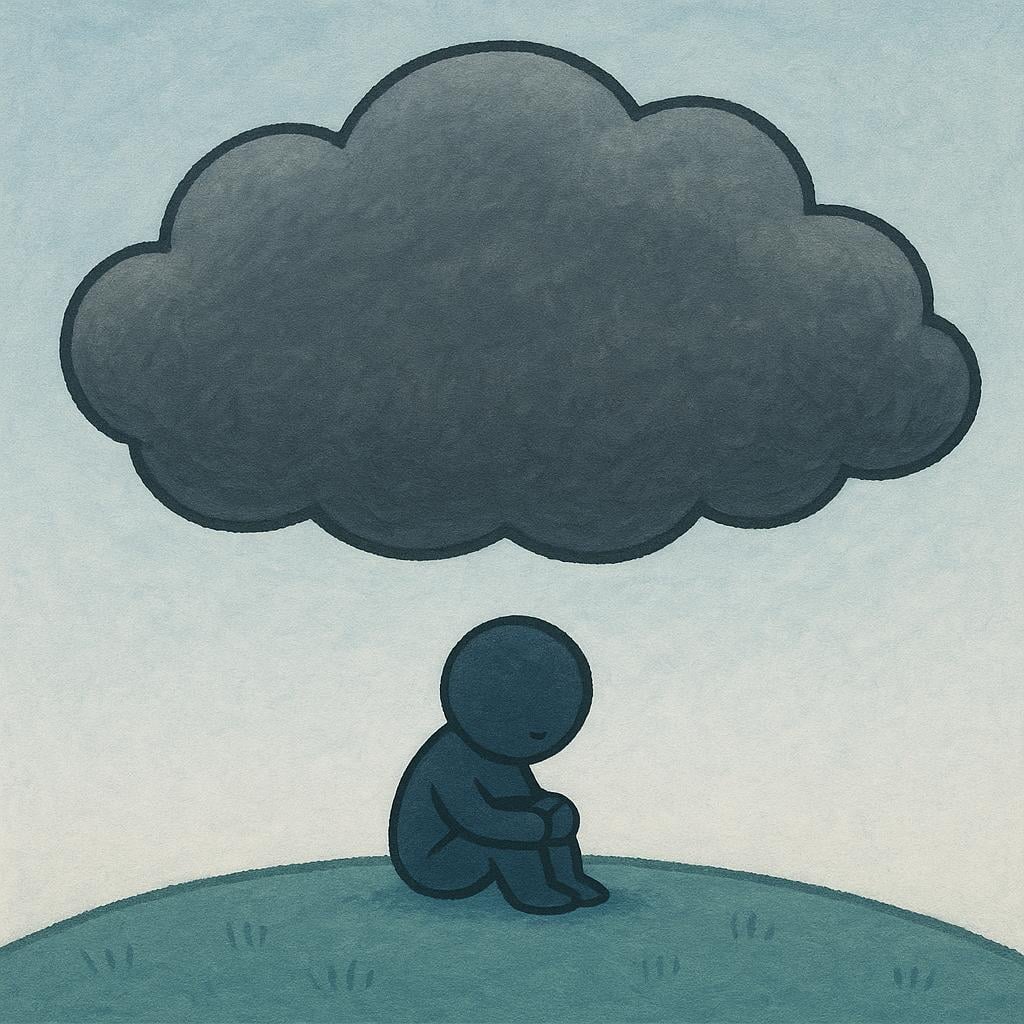
📝 In Action
Después de la pérdida, ella entró en una depresión profunda y necesitó terapia.
B2After the loss, she entered a deep depression and needed therapy.
Si sientes una depresión prolongada, es crucial buscar ayuda profesional.
C1If you feel prolonged depression, it is crucial to seek professional help.
depression
Also: slump, recession
📝 In Action
La Gran Depresión de 1929 fue un periodo de gran pobreza mundial.
B2The Great Depression of 1929 was a period of great global poverty.
Los analistas temen que la caída del mercado provoque una depresión a largo plazo.
C1Analysts fear that the market crash will cause a long-term depression.
depression
Also: hollow, dip
📝 In Action
El agua se acumula en la pequeña depresión del patio.
B1The water accumulates in the small dip in the patio.
Vimos una gran depresión en el paisaje causada por un antiguo volcán.
B2We saw a large depression in the landscape caused by an old volcano.
Translate to Spanish
✏️ Quick Practice
Quick Quiz: depresión
Question 1 of 2
Which sentence uses 'depresión' in its economic sense?
📚 More Resources
👥 Word Family▼
🎵 Rhymes▼
📚 Etymology▼
The word comes from the Latin term *depressio*, which literally meant 'a pressing down' or 'a sinking.' This root explains all three Spanish meanings: pressing down on the mood, sinking the economy, or sinking the surface of the earth.
First recorded: 15th century (in Spanish, the psychological meaning developed much later)
Cognates (Related words)
💡 Master Spanish
Take your Spanish to the next level. Read 200+ illustrated and narrated Spanish stories tailored to your level with the Inklingo app!
Frequently Asked Questions
Since 'depresión' is feminine, do I always use 'la' with it?
Yes, 'depresión' is a feminine noun, so you must always use feminine articles and adjectives with it (e.g., 'la depresión,' 'una depresión profunda').
What is the difference between 'depresión' and 'tristeza'?
'Tristeza' means sadness and is a normal human emotion. 'Depresión' refers to a serious, prolonged medical or psychological state that requires professional attention. It is much more severe than just being sad.