devolveré
“devolveré” means “I will return” in Spanish (giving an item back).
I will return, I will give back
Also: I will refund, I will reciprocate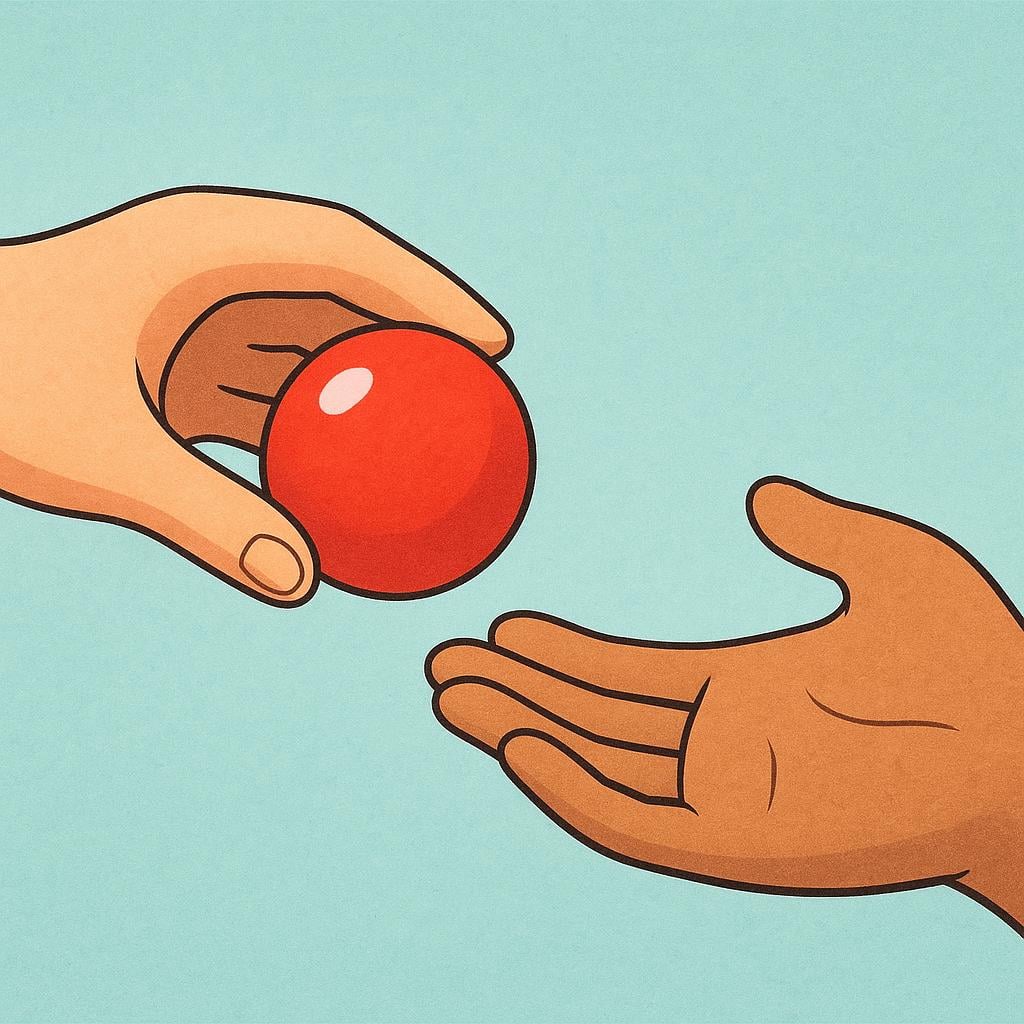
📝 In Action
Te devolveré el libro mañana sin falta.
A2I will return the book to you tomorrow without fail.
Si el producto está dañado, le devolveré el importe total.
B1If the product is damaged, I will refund the full amount to you.
Le devolveré la llamada tan pronto como pueda.
B1I will return his call as soon as I can.
🔄 Conjugations
indicative
present
imperfect
preterite
subjunctive
present
imperfect
✏️ Quick Practice
Quick Quiz: devolveré
Question 1 of 2
Which English phrase correctly captures the meaning of 'devolveré'?
📚 More Resources
👥 Word Family▼
🎵 Rhymes▼
📚 Etymology▼
The infinitive verb 'devolver' comes from the Latin 'devolvere,' meaning 'to roll down' or 'to roll back.' In Spanish, it evolved to mean 'to give back' or 'to turn over' something that was previously given.
First recorded: 13th century
Cognates (Related words)
💡 Master Spanish
Take your Spanish to the next level. Read 200+ illustrated and narrated Spanish stories tailored to your level with the Inklingo app!
Frequently Asked Questions
Is 'devolveré' a regular or irregular verb form?
The infinitive verb 'devolver' is technically irregular because its stem changes (o becomes ue) in the present tense ('yo devuelvo'). However, in the simple future tense, like 'devolveré,' the verb behaves regularly and uses the standard future endings, making it easy to conjugate!
How do I say 'I will return the keys to him'?
You would say 'Le devolveré las llaves.' The pronoun 'le' means 'to him' or 'to her' and comes before the conjugated verb.