difunto
“difunto” means “late” in Spanish. It has 2 different meanings depending on context:

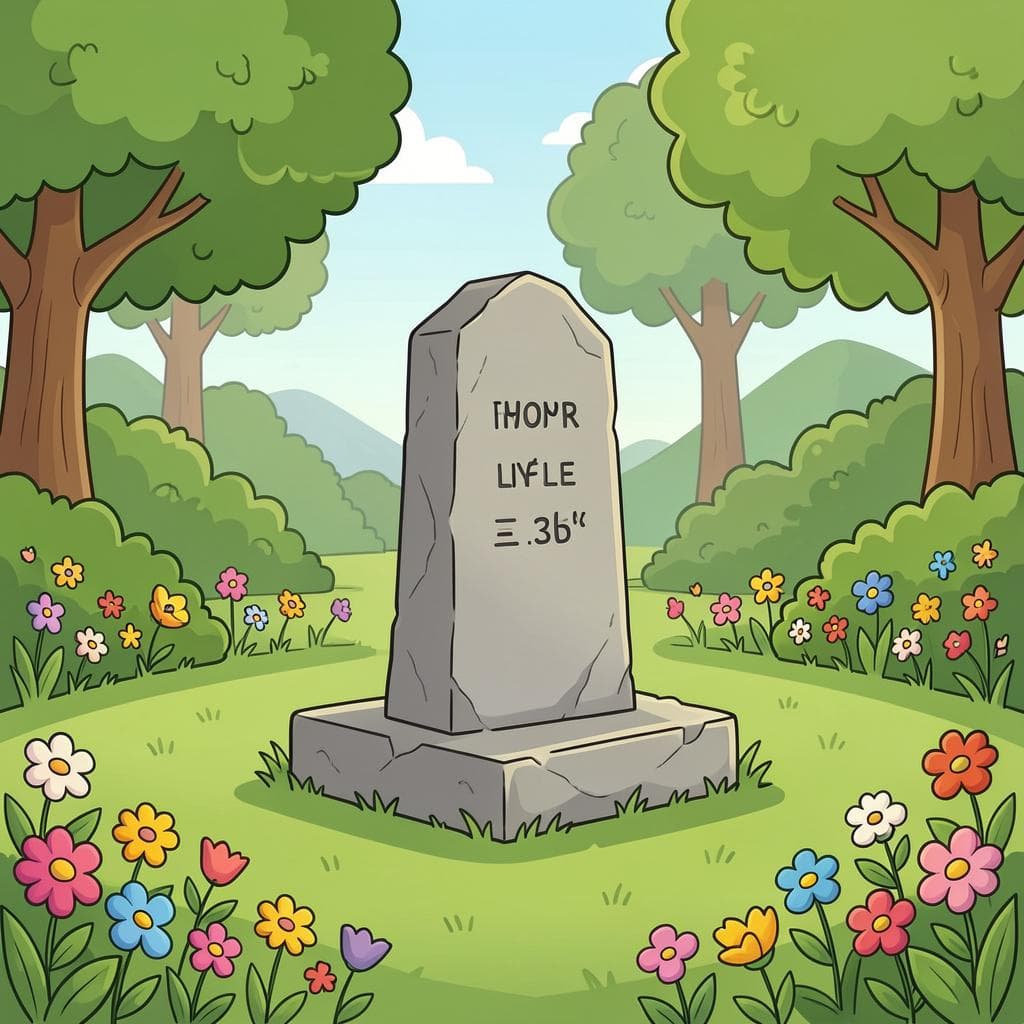
late, deceased
Also: departed
📝 In Action
Mi difunto abuelo era un hombre muy sabio.
B1My late grandfather was a very wise man.
Hicieron una ceremonia en honor a la difunta escritora.
B2They held a ceremony in honor of the deceased writer.
the deceased
Also: dead person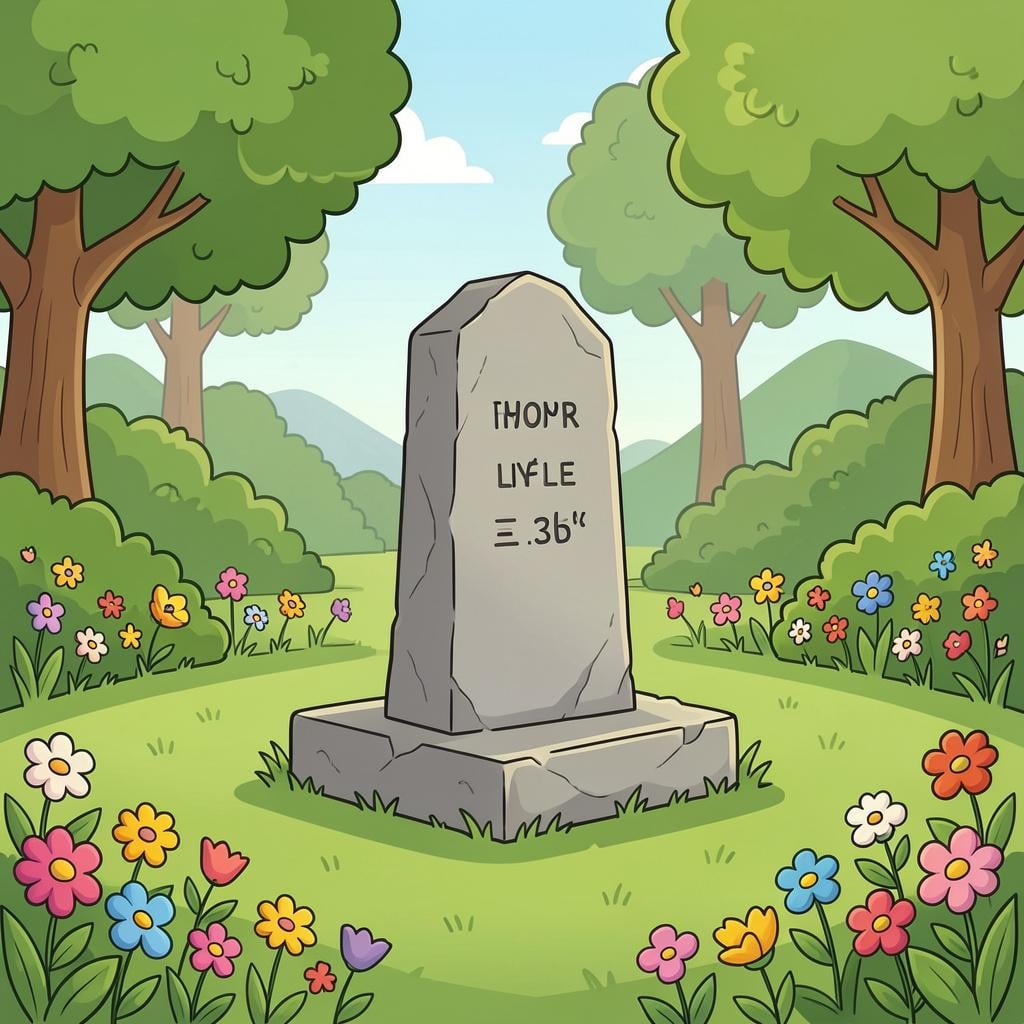
📝 In Action
La familia del difunto recibió muchas flores.
B1The family of the deceased received many flowers.
En México, celebran el Día de los Fieles Difuntos.
B2In Mexico, they celebrate the Day of the Faithful Departed.
Translate to Spanish
✏️ Quick Practice
Quick Quiz: difunto
Question 1 of 1
Which word is more respectful to use in an obituary?
📚 More Resources
👥 Word Family▼
📚 Etymology▼
From the Latin word 'defunctus,' which means 'finished' or 'discharged from duty.' It's like saying a person has finished their work in this life.
First recorded: 13th century
Cognates (Related words)
💡 Master Spanish
Take your Spanish to the next level. Read 200+ illustrated and narrated Spanish stories tailored to your level with the Inklingo app!
Frequently Asked Questions
Can I use 'difunto' for animals?
Generally, no. 'Difunto' is reserved for human beings to show respect. For animals, 'muerto' is the standard word.
What is the female version of 'difunto'?
The female version is 'difunta.' For example, 'mi difunta abuela' (my late grandmother).