Inklingo

dudar

/doo-DAHR/

to doubt

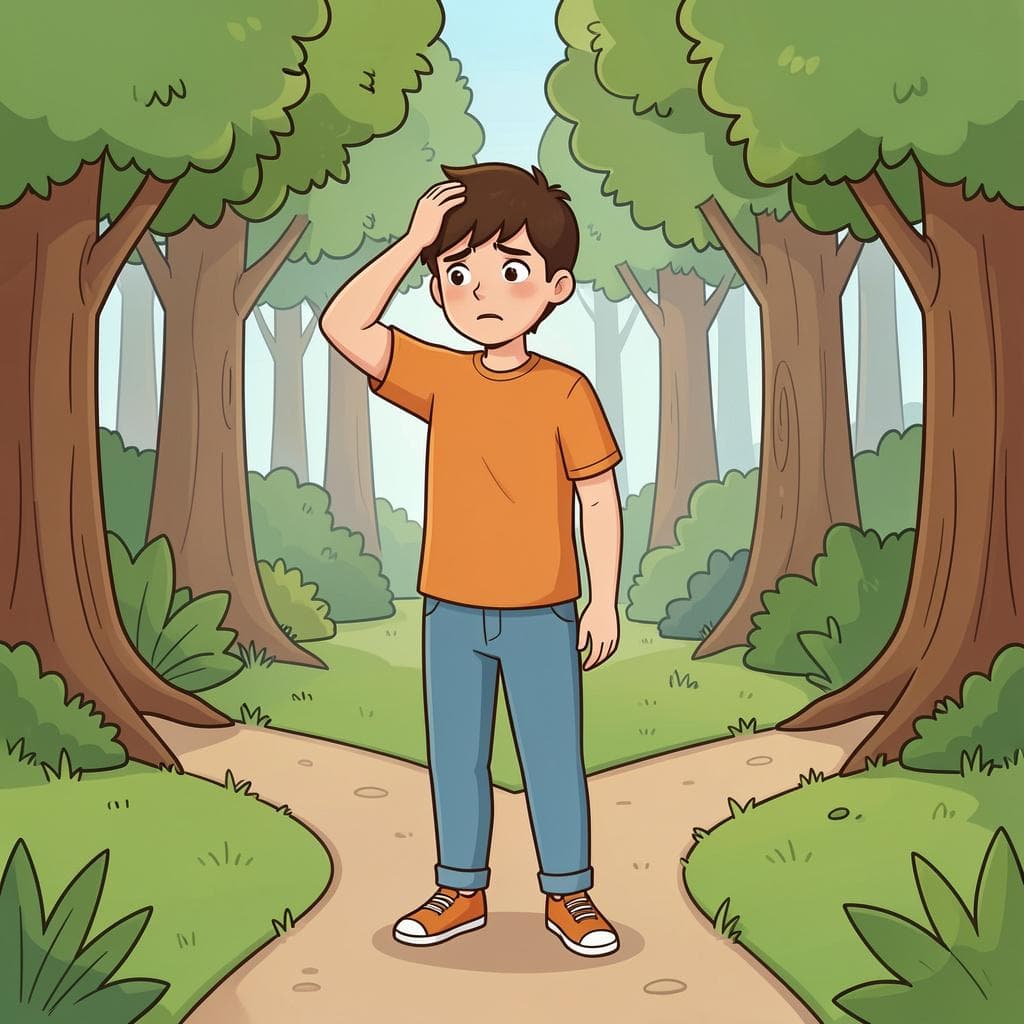
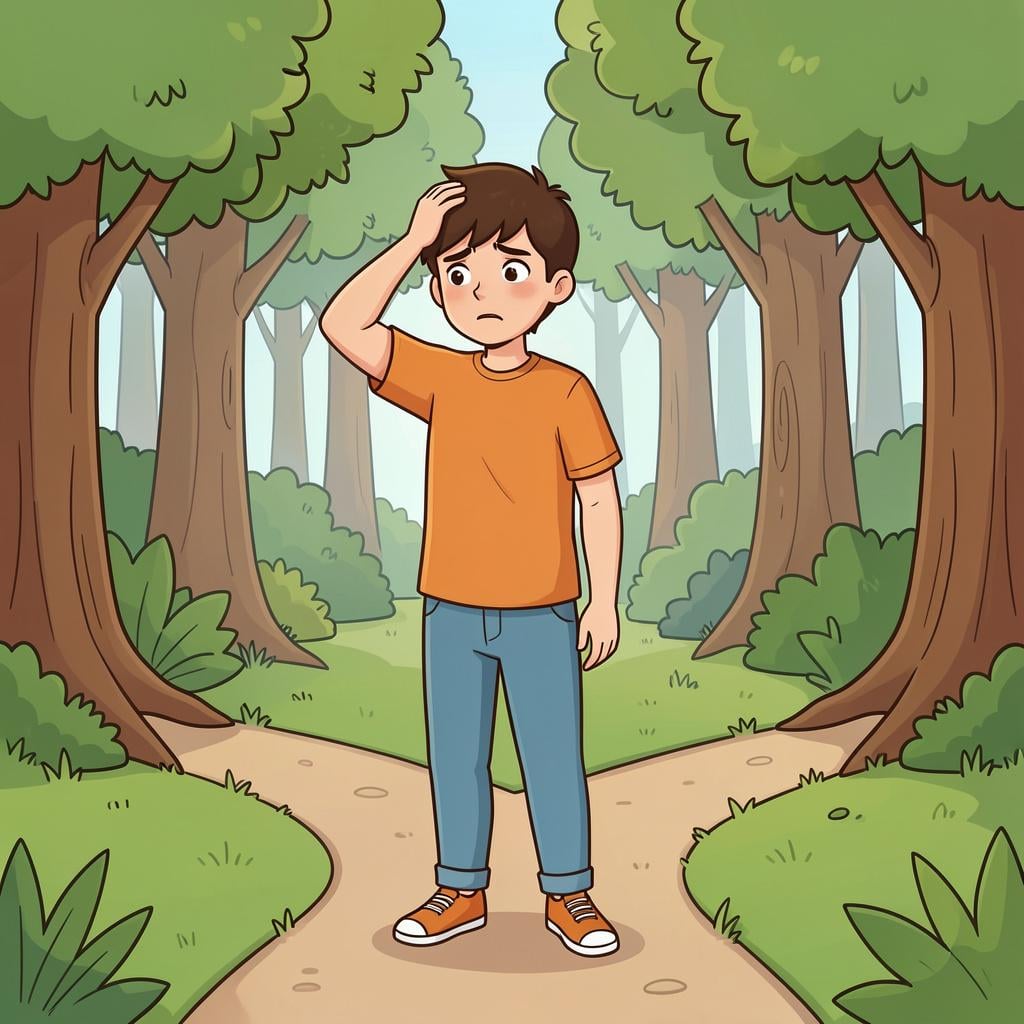
A person looking at two different paths in a forest with a questioning expression, scratching their head.

A person unsure of which path to take, representing the feeling of doubt.

dudar(verb)

A2regular ar

to doubt

?

to be unsure about a fact or a person

Also:

to question

?

to have reservations about something

📝 In Action

Dudo que ella tenga la llave.

B1

I doubt that she has the key.

No dudo de tu honestidad.

A2

I don't doubt your honesty.

Muchos dudan de sus intenciones.

B1

Many doubt his intentions.

Word Connections

Synonyms

  • desconfiar (to distrust)
  • titubear (to falter)

Antonyms

Common Collocations

  • dudar de algoto doubt something
  • dudar de alguiento doubt someone

Idioms & Expressions

  • poner en dudato call into question

💡 Grammar Points

The 'Doubt' Trigger

When you say 'Dudo que...' (I doubt that...), the next verb must change its form to show uncertainty. This special form is often called the subjunctive.

Using 'de'

If you are doubting a specific thing or person, you almost always use the little connector word 'de' (e.g., 'Dudo de su palabra').

❌ Common Pitfalls

Positive vs. Negative

Mistake: "No dudo que sea verdad."

Correction: No dudo que es verdad. When you are SURE (saying 'I don't doubt'), use the normal verb form. Only use the 'uncertainty' form when you actually have a doubt.

⭐ Usage Tips

Natural Sounding Doubts

To sound more like a native speaker, use 'lo dudo' as a standalone phrase for 'I doubt it' when answering a question.

A child standing on the edge of a small puddle, one foot hovering over the water, looking unsure.

A moment of hesitation before taking a step.

dudar(verb)

B1regular ar

to hesitate

?

to pause or waver before acting

Also:

to waver

?

to be unable to decide between options

📝 In Action

No dudó ni un segundo en saltar al agua.

B1

He didn't hesitate for a second to jump into the water.

Dudó un momento antes de entrar.

B1

She hesitated for a moment before entering.

Word Connections

Synonyms

  • vacilar (to hesitate)

Antonyms

  • decidirse (to make up one's mind)

Common Collocations

  • sin dudarlowithout hesitation
  • no dudar en hacer algonot to hesitate to do something

💡 Grammar Points

Hesitation with 'en'

When you say you don't hesitate 'to do' something, Spanish uses the word 'en' followed by the verb: 'No dudes en llamarme'.

🔄 Conjugations

subjunctive

imperfect

ellos/ellas/ustedesdudaran
yodudara
dudaras
vosotrosdudarais
nosotrosdudáramos
él/ella/usteddudara

present

ellos/ellas/ustedesduden
yodude
dudes
vosotrosdudéis
nosotrosdudemos
él/ella/usteddude

indicative

preterite

ellos/ellas/ustedesdudaron
yodudé
dudaste
vosotrosdudasteis
nosotrosdudamos
él/ella/usteddudó

imperfect

ellos/ellas/ustedesdudaban
yodudaba
dudabas
vosotrosdudabais
nosotrosdudábamos
él/ella/usteddudaba

present

ellos/ellas/ustedesdudan
yodudo
dudas
vosotrosdudáis
nosotrosdudamos
él/ella/ustedduda

✏️ Quick Practice

💡 Quick Quiz: dudar

Question 1 of 2

Which sentence correctly says 'I doubt that he knows'?

📚 More Resources

Word Family

duda(doubt) - noun

Frequently Asked Questions

Is 'dudar' a regular verb?

Yes! It follows the standard rules for all verbs ending in -ar.

When should I use 'de' with 'dudar'?

Use 'de' when you doubt a person or a thing (Dudo de ti). You don't usually need it when saying 'I doubt that...' (Dudo que...).