dueña
“dueña” means “owner” in Spanish. It has 2 different meanings depending on context:
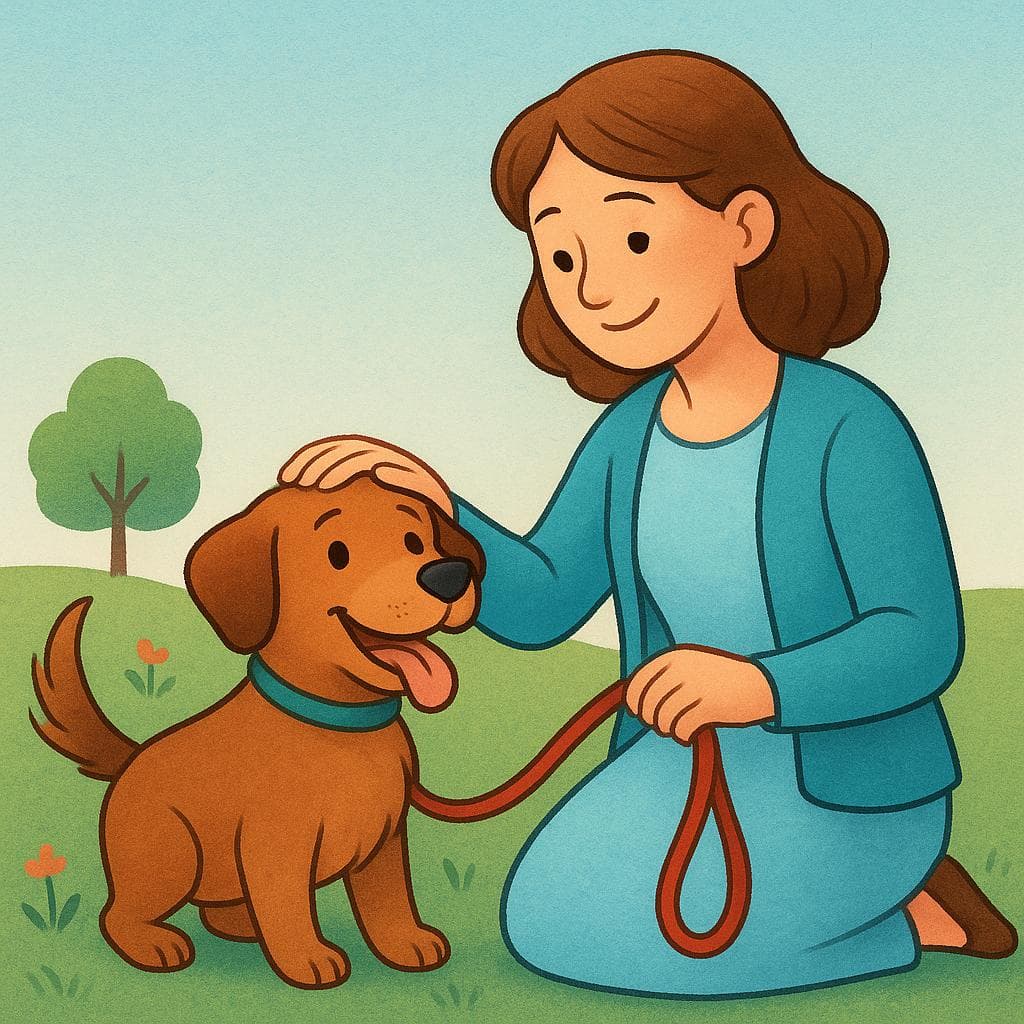

owner, proprietor
Also: landlady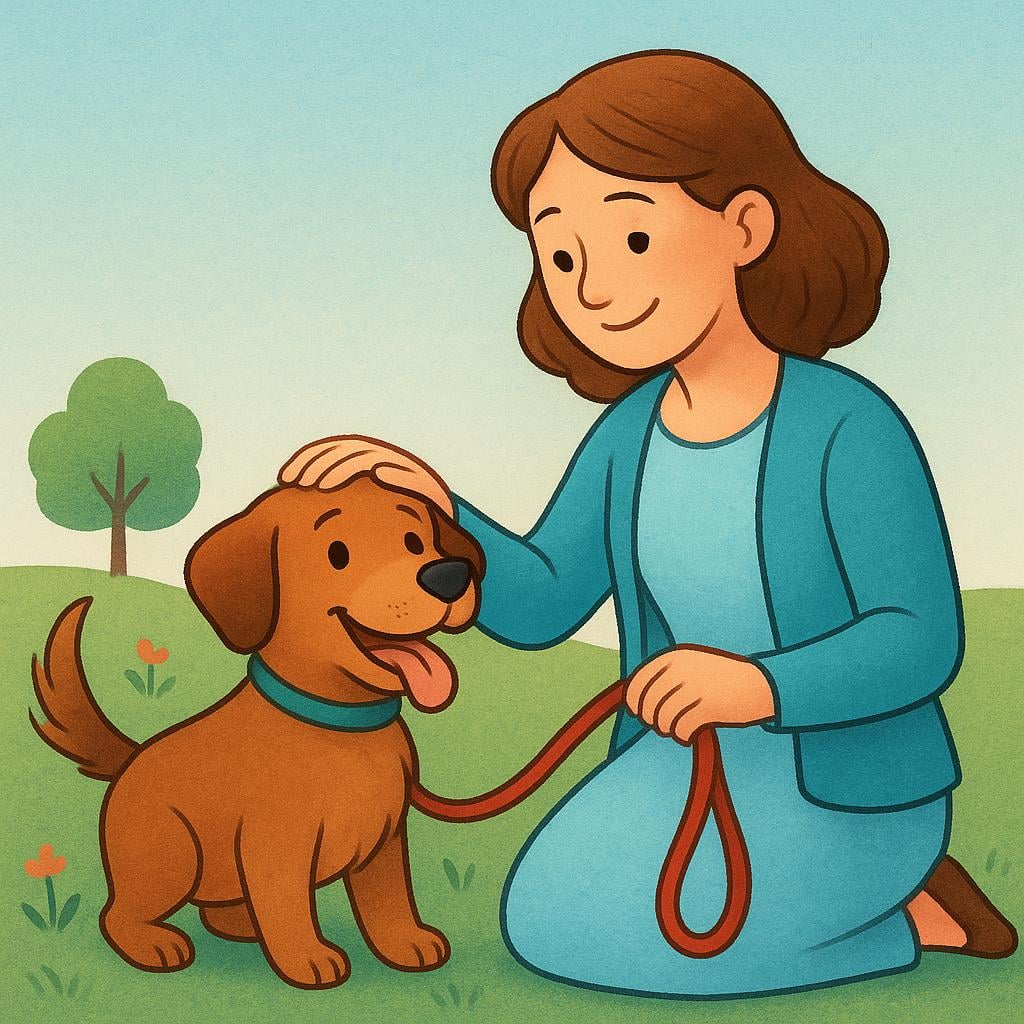
📝 In Action
La dueña de este coche está furiosa.
A2The owner of this car is furious.
Mi hermana es la dueña de la panadería del pueblo.
B1My sister is the proprietor of the town bakery.
¿Quién es la dueña de este perro tan lindo?
A2Who is the owner of this cute dog?
mistress, controller
Also: ruler
📝 In Action
Ella se siente dueña de su destino y toma todas las decisiones.
B2She feels mistress of her destiny and makes all the decisions.
La dueña de la casa me recibió en la puerta con gran hospitalidad.
C1The lady of the house received me at the door with great hospitality.
✏️ Quick Practice
Quick Quiz: dueña
Question 1 of 2
Which sentence correctly uses 'dueña'?
📚 More Resources
👥 Word Family▼
🎵 Rhymes▼
📚 Etymology▼
The word 'dueña' comes from the Latin word *domina*, which means 'lady' or 'mistress of the house.' It shares its root with other Spanish words like 'don' and 'doña,' all relating to status or mastery.
First recorded: 10th century
Cognates (Related words)
💡 Master Spanish
Take your Spanish to the next level. Read 200+ illustrated and narrated Spanish stories tailored to your level with the Inklingo app!
Frequently Asked Questions
What is the difference between 'dueña' and 'ama'?
'Dueña' specifically emphasizes legal ownership (like owning a car or a house). 'Ama' is often used in the context of 'ama de casa' (homemaker/mistress of the house) or sometimes means having control, but 'dueña' is the standard term for a legal owner.
How do I say 'male owner'?
The male equivalent is 'dueño'. The feminine form 'dueña' is used exclusively for women.