economía
“economía” means “economy” in Spanish. It has 2 different meanings depending on context:
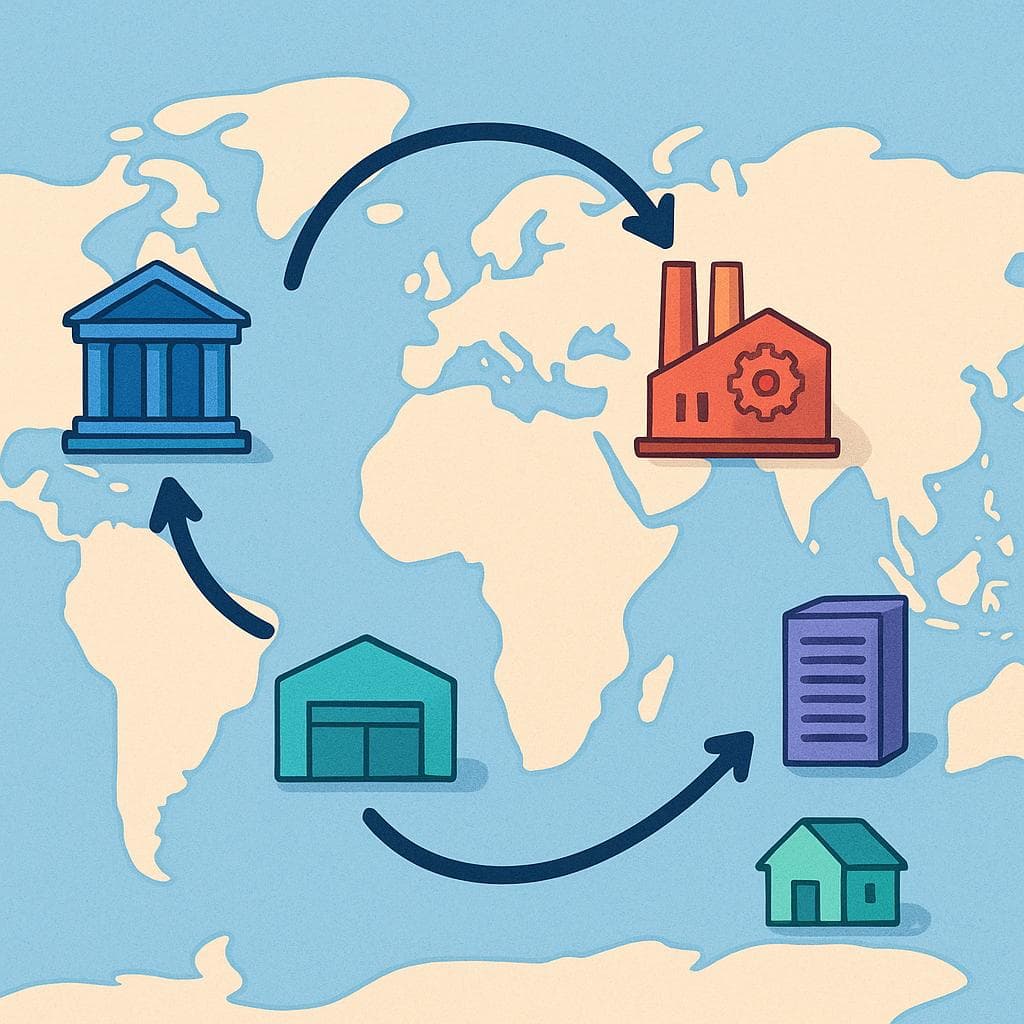

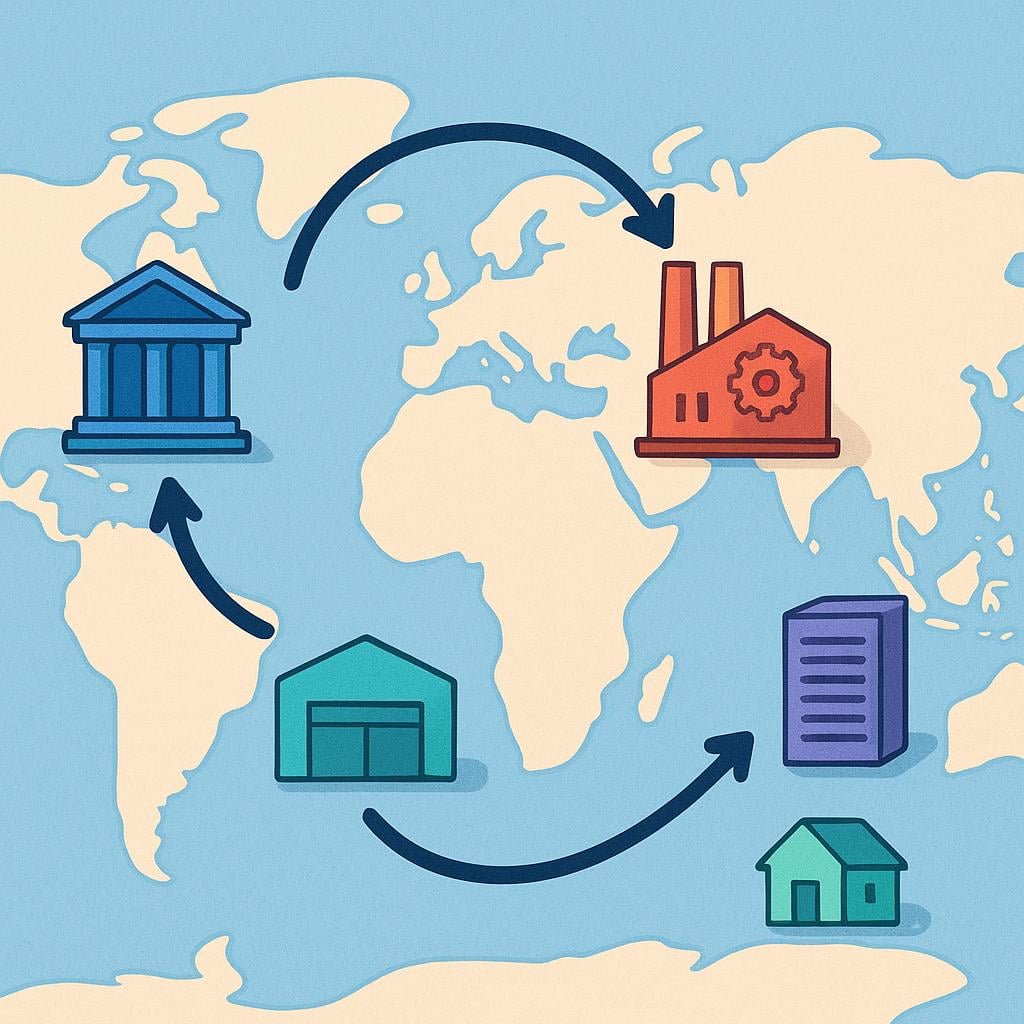
economyAlso: financial system
📝 In Action
La economía mundial se recupera lentamente después de la crisis.
B1The world economy is recovering slowly after the crisis.
Estudiamos la economía de un país en desarrollo.
B1We are studying the economy of a developing country.
Word Connections
thrift, savingsAlso: frugality

📝 In Action
Hizo una gran economía al comprar la ropa de segunda mano.
B2She made a great saving/showed great thrift by buying the second-hand clothes.
Debemos practicar la economía en el uso del agua.
B2We must practice careful management in our water usage.
Word Connections
Translate to Spanish
Words that translate to "economía" in Spanish:
✏️ Quick Practice
Quick Quiz: economía
Question 1 of 1
Which sentence uses 'economía' in the sense of 'thrift' or 'saving resources'?
📚 More Resources
👥 Word Family
🎵 Rhymes
📚 Etymology
The word comes from the Ancient Greek *oikonomía*, which was formed by combining *oîkos* (meaning 'house' or 'home') and *nómos* (meaning 'law' or 'management'). The original meaning was literally 'household management' or 'running a home carefully,' which explains both the modern meanings of large financial systems and personal thrift.
First recorded: 15th century (in Spanish)
Cognates (Related words)
💡 Master Spanish
Take your Spanish to the next level. Read 200+ illustrated and narrated Spanish stories tailored to your level with the Inklingo app!
Frequently Asked Questions
Does 'economía' ever mean 'cheap'?
No, 'economía' is the noun (the system or the act of saving). If you want to say something is 'cheap' or 'inexpensive,' you must use the adjective 'económico' (or 'barato').
How is 'economía' different from 'ahorro'?
'Economía' can mean the general habit of being careful with money (thrift), while 'ahorro' specifically refers to the money saved or the action of saving money. They are closely related, but 'ahorro' is more specific to the act of setting funds aside.