elegiste
“elegiste” means “you chose” in Spanish (past completed action).
you chose
Also: you picked, you elected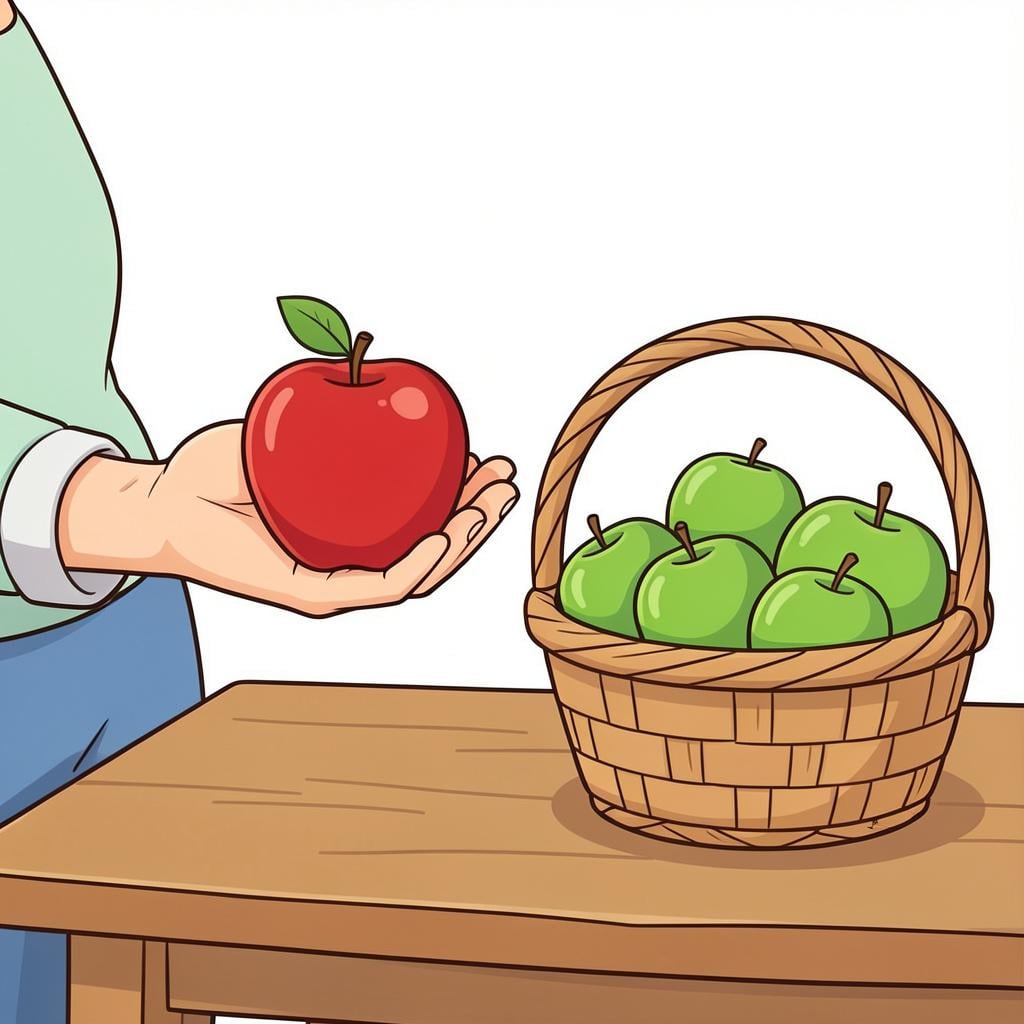
📝 In Action
Tú elegiste el restaurante para la cena.
A1You chose the restaurant for dinner.
¿Por qué elegiste esta carrera?
A2Why did you choose this career?
Elegiste muy bien el regalo.
B1You picked the gift very well.
🔄 Conjugations
subjunctive
imperfect
present
indicative
preterite
imperfect
present
Translate to Spanish
✏️ Quick Practice
Quick Quiz: elegiste
Question 1 of 1
Which of these is the correct way to say 'You chose a good book' to a friend?
📚 More Resources
👥 Word Family▼
📚 Etymology▼
From the Latin word 'eligere', which literally means 'to pluck out' or 'to read out' from a group.
First recorded: 13th century
Cognates (Related words)
💡 Master Spanish
Take your Spanish to the next level. Read 200+ illustrated and narrated Spanish stories tailored to your level with the Inklingo app!
Frequently Asked Questions
How do I know when to use 'elegiste' instead of 'elegías'?
Use 'elegiste' when you are talking about a specific choice that happened once. Use 'elegías' if you used to choose something repeatedly in the past (like your favorite ice cream as a kid).
Is 'elegiste' used in formal settings?
Since it uses the 'tú' (informal) form, it's best for friends, family, or people your age. For formal situations, you would use 'eligió' (addressing someone as 'usted').