engañado
“engañado” means “deceived” in Spanish. It has 2 different meanings depending on context:
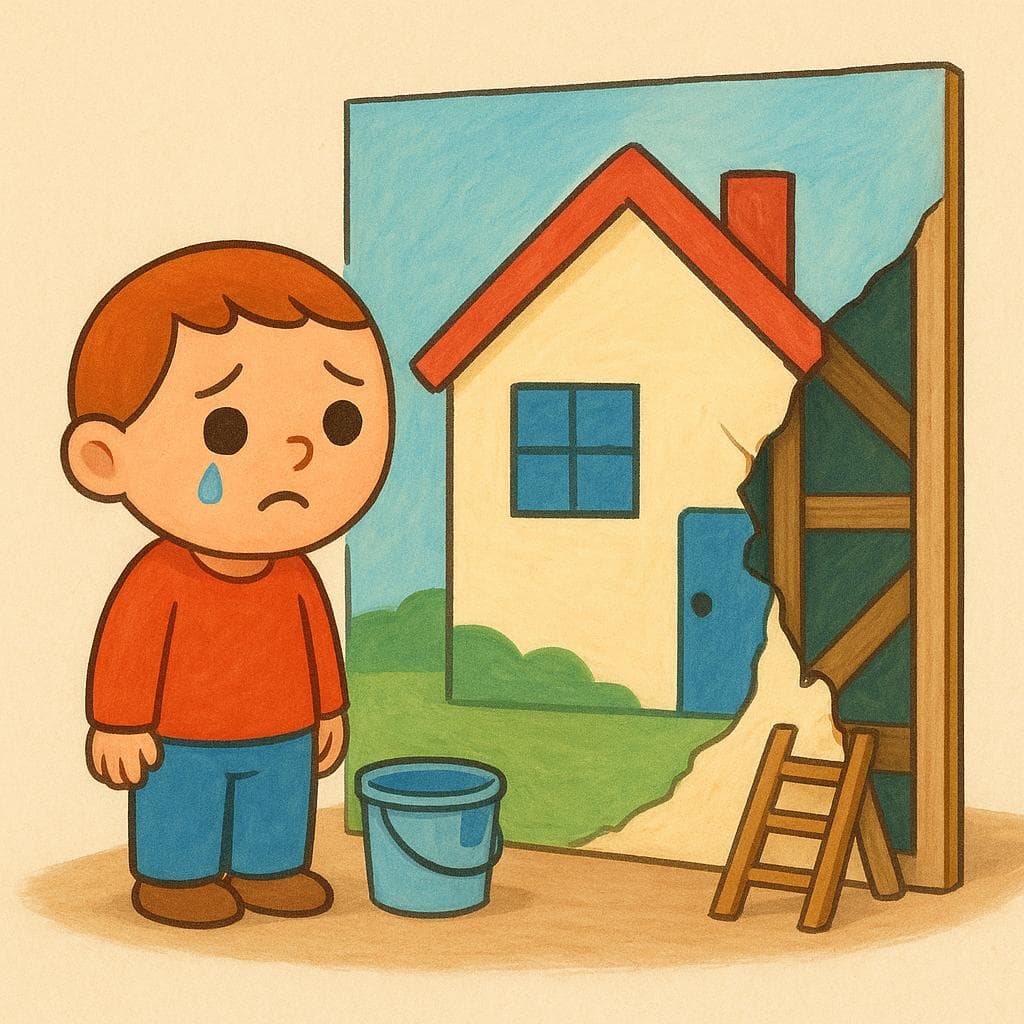

deceived, trickedAlso: misled, fooled

📝 In Action
El cliente se sintió engañado por la publicidad falsa.
B1The client felt deceived by the false advertising.
No seas tan engañado, esa historia no tiene sentido.
B2Don't be so easily fooled, that story makes no sense.
Mi hermana está engañada sobre el valor de esas acciones.
B1My sister is misled about the value of those shares.
Word Connections
deceived, tricked

📝 In Action
Ellos han engañado al público durante años.
A2They have deceived the public for years.
Nunca pensé que habría engañado a su propia familia.
B2I never thought he would have tricked his own family.
Word Connections
✏️ Quick Practice
Quick Quiz: engañado
Question 1 of 2
Which sentence uses 'engañado' as an adjective, meaning its ending must change to agree?
📚 More Resources
👥 Word Family
📚 Etymology
The word comes from the Late Latin verb *ingannāre*, which meant 'to trick' or 'to mock.' This root suggests the original meaning was tied to making someone look foolish or behaving deceptively.
First recorded: Medieval Spanish
Cognates (Related words)
💡 Master Spanish
Take your Spanish to the next level. Read 200+ illustrated and narrated Spanish stories tailored to your level with the Inklingo app!
Frequently Asked Questions
What is the difference between 'Ella ha engañado' and 'Ella está engañada'?
'Ella ha engañado' uses the past participle with *haber* and means 'She has tricked (someone else)'. 'Ella está engañada' uses 'engañada' as an adjective with *estar* and means 'She is deceived' (someone else tricked her).
Does 'engañado' only refer to romantic cheating?
No. While it can be used for romantic betrayal, its most general meaning is 'tricked' or 'fooled' by lies, false advertising, bad deals, or general misinformation. The noun *engaño* refers to any form of deception.