envuelto
“envuelto” means “wrapped” in Spanish. It has 3 different meanings depending on context:

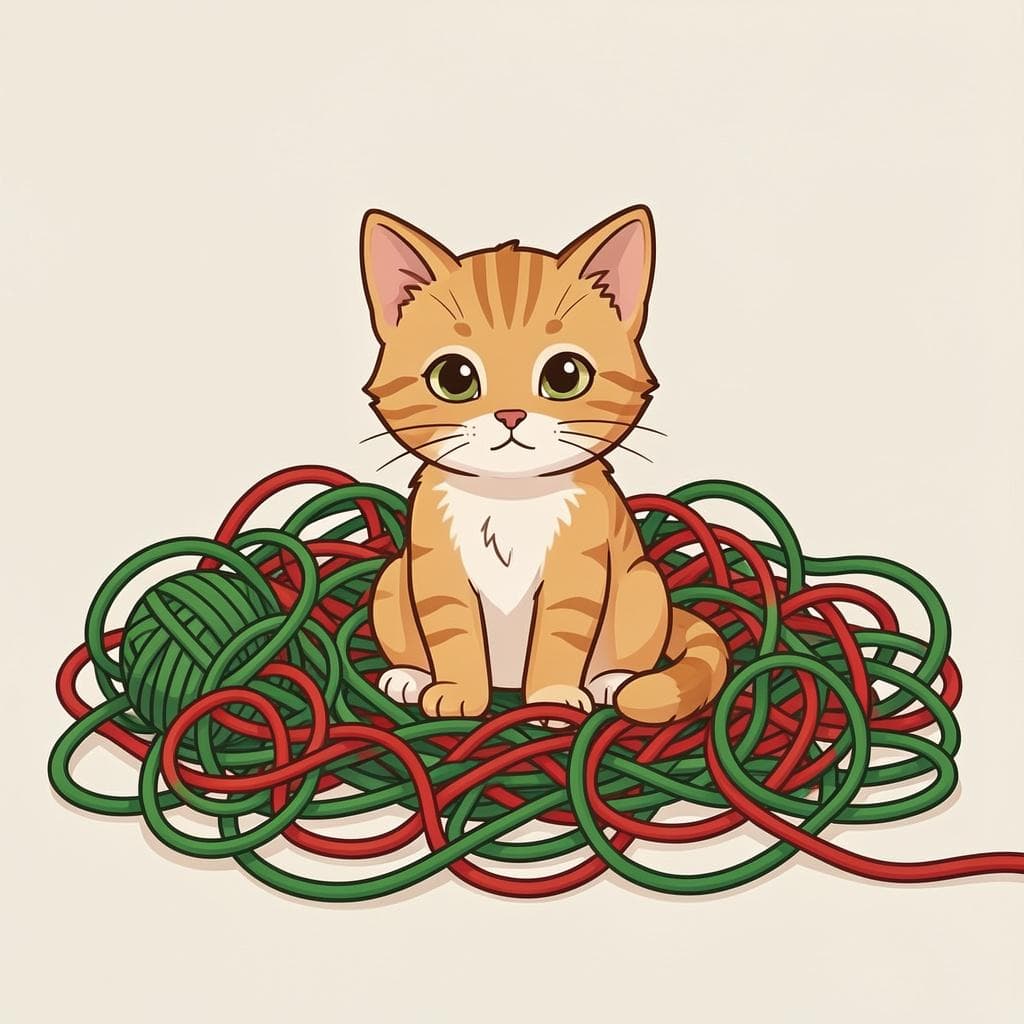

wrapped
Also: covered
📝 In Action
El regalo está envuelto en papel azul.
A1The gift is wrapped in blue paper.
El bebé estaba envuelto en una manta suave.
A2The baby was wrapped in a soft blanket.
El pico de la montaña está envuelto en nubes.
B1The mountain peak is covered in clouds.
involved
Also: caught up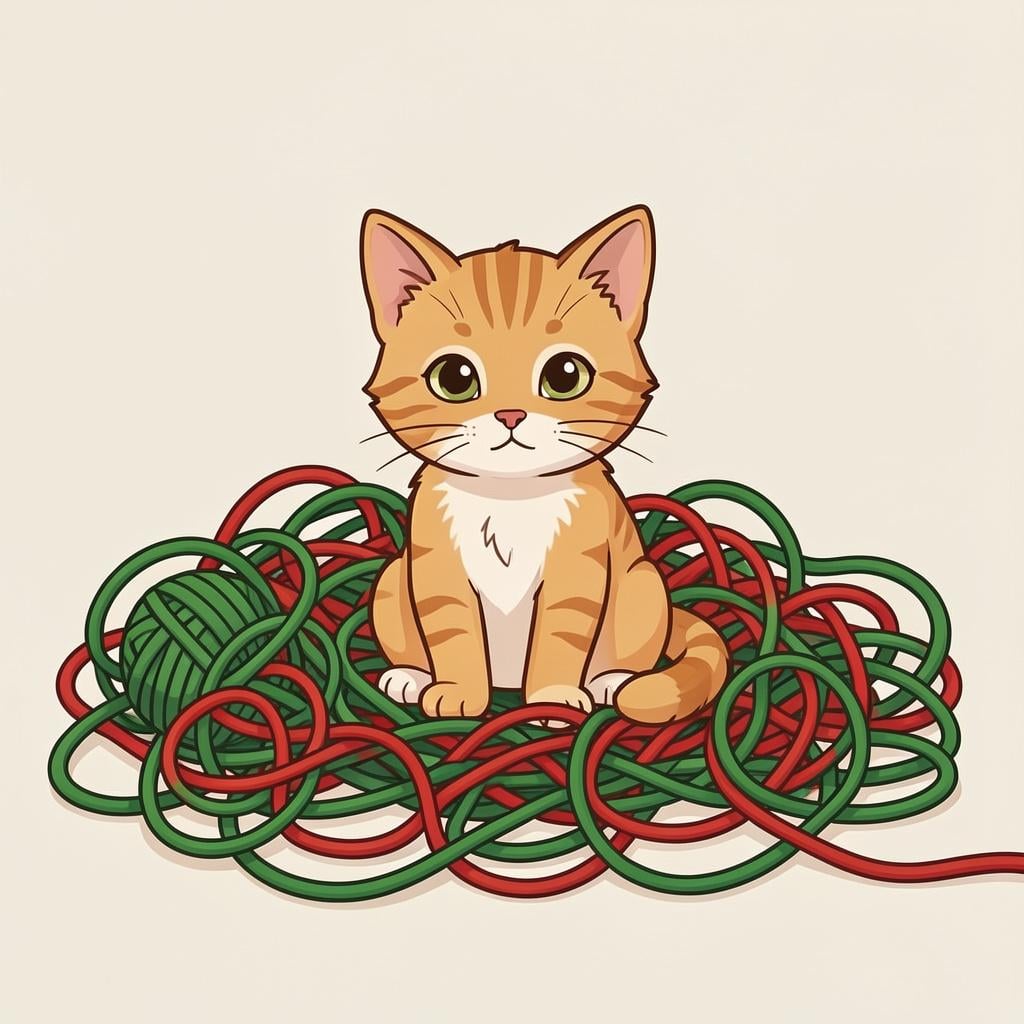
📝 In Action
No quiero estar envuelto en sus problemas.
B1I don't want to be involved in their problems.
Varios políticos están envueltos en el escándalo.
B2Several politicians are caught up in the scandal.
corn wrap

📝 In Action
Comimos un envuelto de maíz delicioso en el mercado.
B2We ate a delicious corn wrap at the market.
Translate to Spanish
✏️ Quick Practice
Quick Quiz: envuelto
Question 1 of 2
If you are giving someone a birthday present, how would you describe it?
📚 More Resources
👥 Word Family▼
📚 Etymology▼
From the Latin word 'involutus', which means 'rolled up' or 'coiled'. It is the past participle of 'envolver'.
First recorded: 13th century
Cognates (Related words)
💡 Master Spanish
Take your Spanish to the next level. Read 200+ illustrated and narrated Spanish stories tailored to your level with the Inklingo app!
Frequently Asked Questions
Is 'envuelto' a verb or an adjective?
It's actually both! It acts like a verb form when used with 'haber' (I have wrapped), but it acts like an adjective when describing things (The gift is wrapped).
Why isn't it 'envolvido'?
Spanish has a few 'irregular' verbs that don't follow the normal rules. 'Envolver' is one of them. Instead of the usual '-ido' ending, it changes to '-uelto'.