escocés
“escocés” means “Scottish” in Spanish. It has 2 different meanings depending on context:
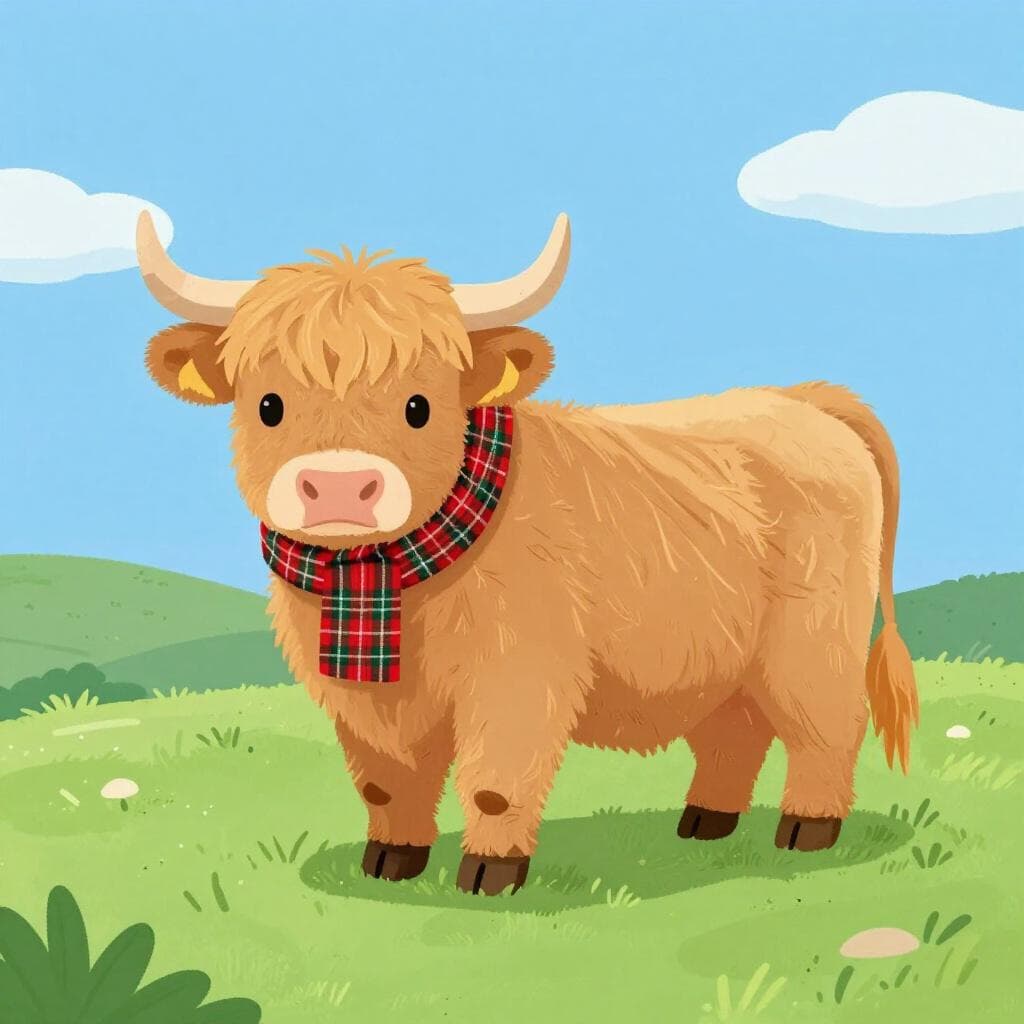

ScottishAlso: Scotsman, Scots

📝 In Action
Mi mejor amigo es escocés.
A1My best friend is Scottish.
Me encanta el acento escocés.
A2I love the Scottish accent.
El paisaje escocés es impresionante.
B1The Scottish landscape is impressive.
Word Connections
ScotchAlso: Scotch whisky

📝 In Action
¿Quieres un escocés con hielo?
B1Do you want a Scotch on the rocks?
Prefiero el escocés antes que el ron.
B2I prefer Scotch over rum.
Word Connections
Translate to Spanish
Words that translate to "escocés" in Spanish:
✏️ Quick Practice
Quick Quiz: escocés
Question 1 of 2
If you are reading a menu in Madrid and see 'un escocés', what is it most likely referring to?
📚 More Resources
👥 Word Family
🎵 Rhymes
📚 Etymology
From the Latin word 'Scotia' (Scotland), which was the name given to the land inhabited by the Scots (Scoti).
First recorded: 13th century
Cognates (Related words)
💡 Master Spanish
Take your Spanish to the next level. Read 200+ illustrated and narrated Spanish stories tailored to your level with the Inklingo app!
Frequently Asked Questions
Why does 'escocés' have an accent mark but 'escocesa' does not?
Spanish spelling rules put an accent on words ending in 's' if the stress is on the last syllable. When you add the 'a' for the feminine form, the stress naturally stays on the 'ce' sound, and the extra mark is no longer needed.
Is 'escocés' the same as 'británico'?
No. Just like in English, 'escocés' refers specifically to Scotland, while 'británico' (British) refers to the whole of Great Britain.