escolta
“escolta” means “bodyguard” in Spanish. It has 3 different meanings depending on context:
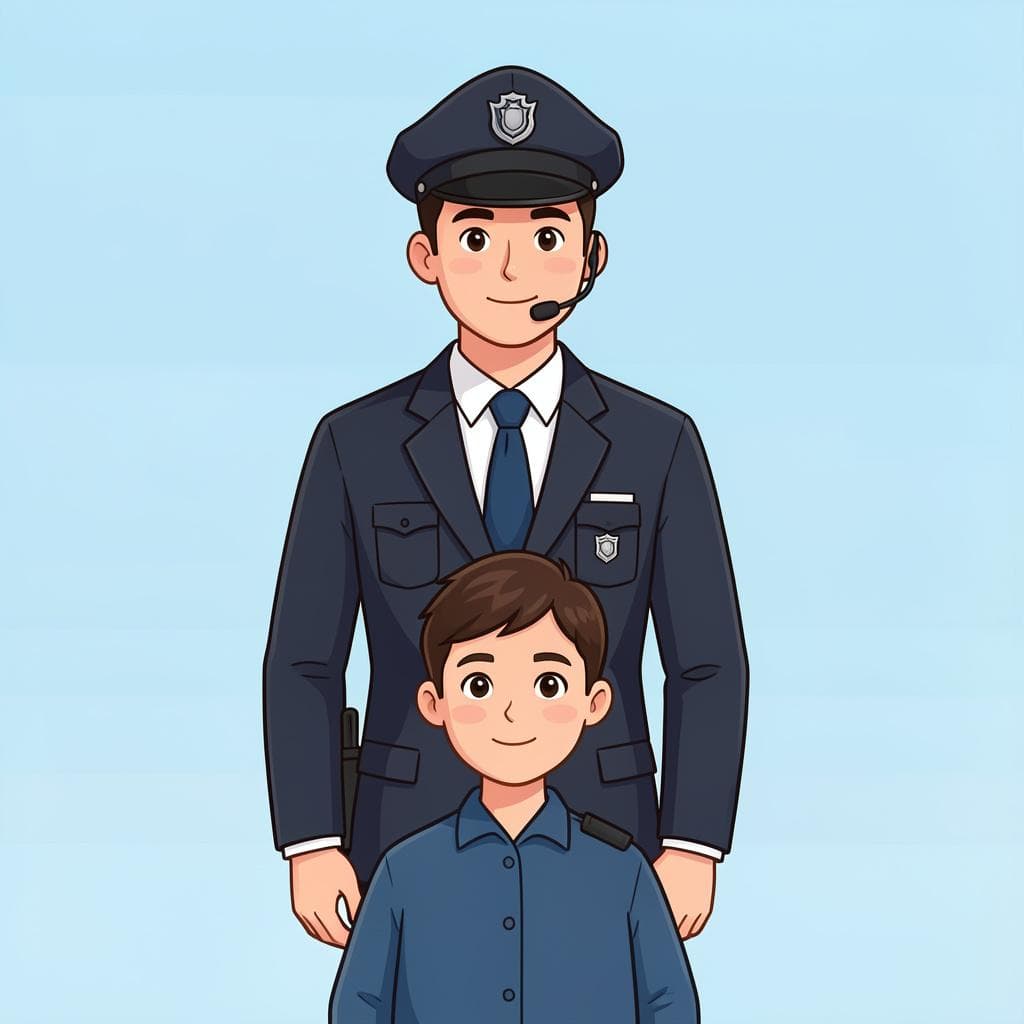


bodyguardAlso: escort
📝 In Action
El presidente camina rodeado por su escolta.
B1The president walks surrounded by his bodyguard.
Ella trabaja como escolta privada para actores famosos.
B2She works as a private bodyguard for famous actors.
Word Connections
escortAlso: convoy

📝 In Action
La escolta policial acompañó al camión de dinero.
B2The police escort accompanied the money truck.
Word Connections
shooting guard

📝 In Action
El equipo necesita un escolta con buen tiro de tres puntos.
C1The team needs a shooting guard with a good three-point shot.
Word Connections
Translate to Spanish
Words that translate to "escolta" in Spanish:
✏️ Quick Practice
Quick Quiz: escolta
Question 1 of 2
If you are talking about a female bodyguard, how do you say it?
📚 More Resources
👥 Word Family
📚 Etymology
From the Italian word 'scorta', which comes from 'scorgere', meaning 'to see' or 'to guide'. It originally described someone who 'showed the way'.
First recorded: 16th century
Cognates (Related words)
💡 Master Spanish
Take your Spanish to the next level. Read 200+ illustrated and narrated Spanish stories tailored to your level with the Inklingo app!
Frequently Asked Questions
Is 'escolta' the same as 'guardaespaldas'?
Yes, they both mean 'bodyguard'. However, 'escolta' is often used for official or military protection, while 'guardaespaldas' is more common in everyday conversation.
Can 'escolta' be a verb?
Yes! While this entry focuses on the noun, 'escolta' is also a form of the verb 'escoltar' (he/she escorts or you escort).