escuchamos
“escuchamos” means “we listen” in Spanish. It has 2 different meanings depending on context:
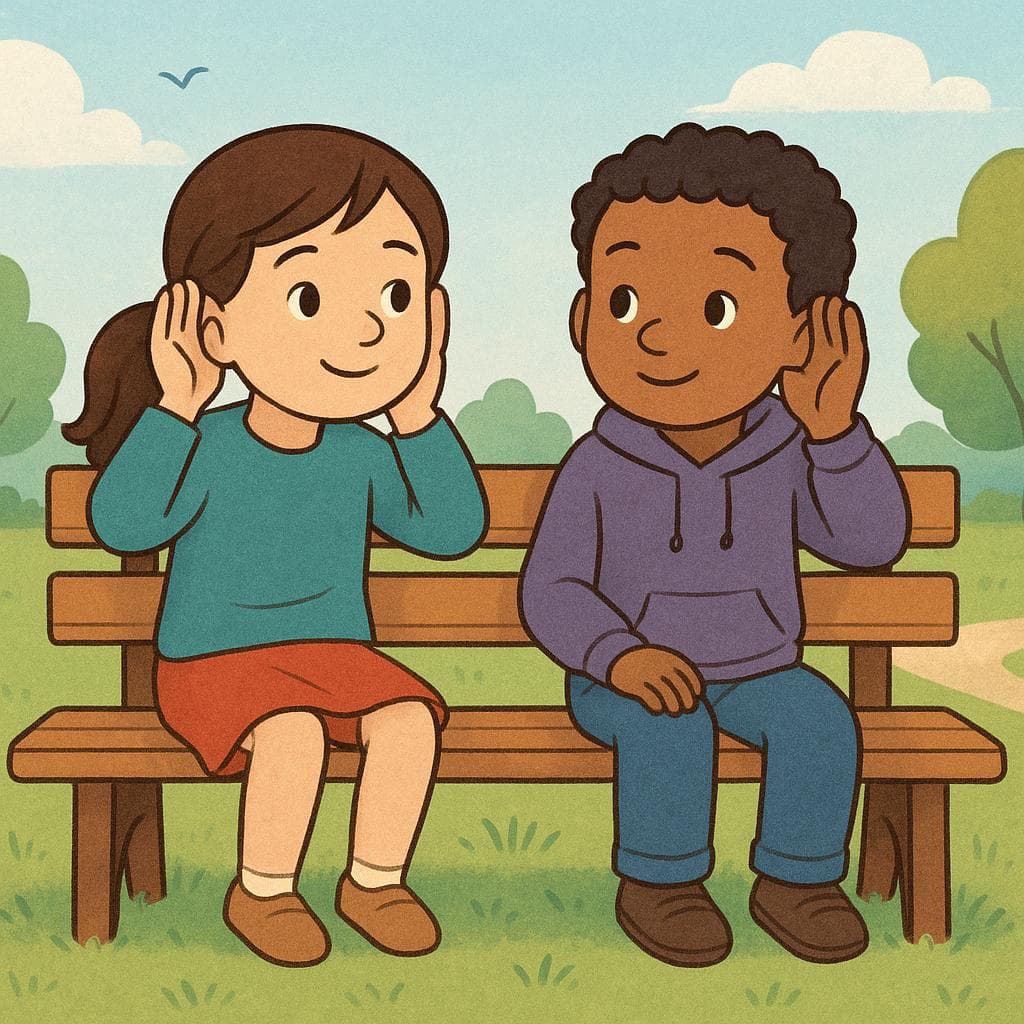
we listen, we are listening
Also: we hear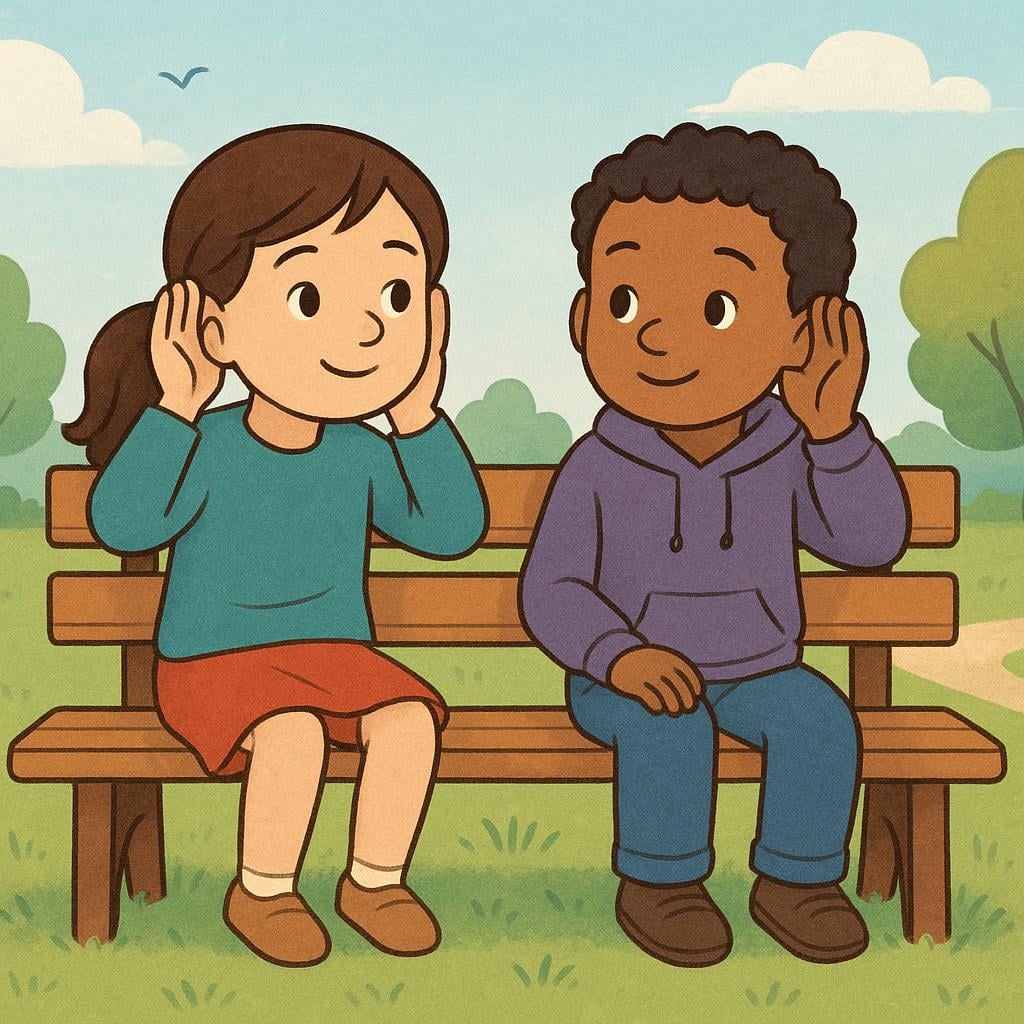
📝 In Action
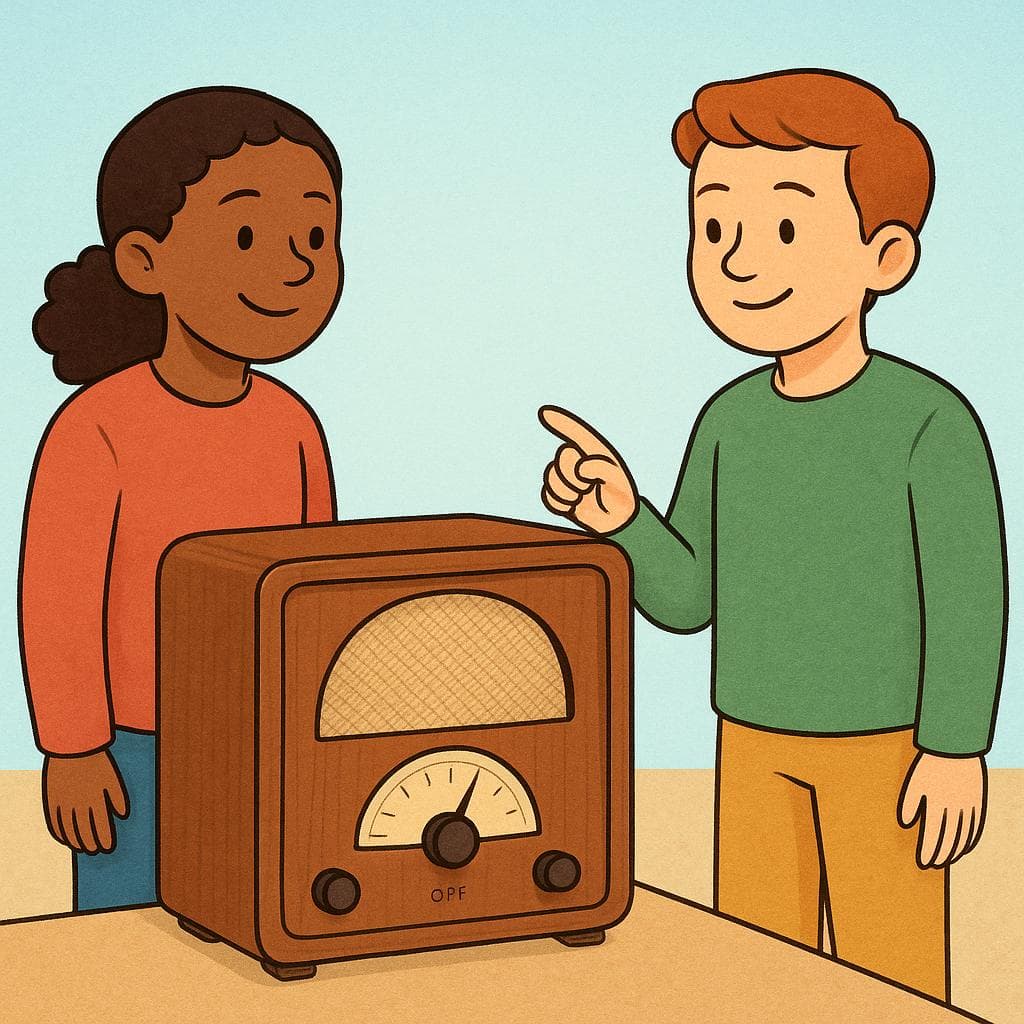
Todos los días, **escuchamos** las noticias en la radio.
A1Every day, we listen to the news on the radio.
Por favor, no hables, ahora **escuchamos** al guía.
A1Please, don't talk, we are listening to the guide now.
Si no **escuchamos** lo que dice, no podemos ayudarlo.
A2If we don't listen to what he says, we can't help him.
we listened
Also: we paid attention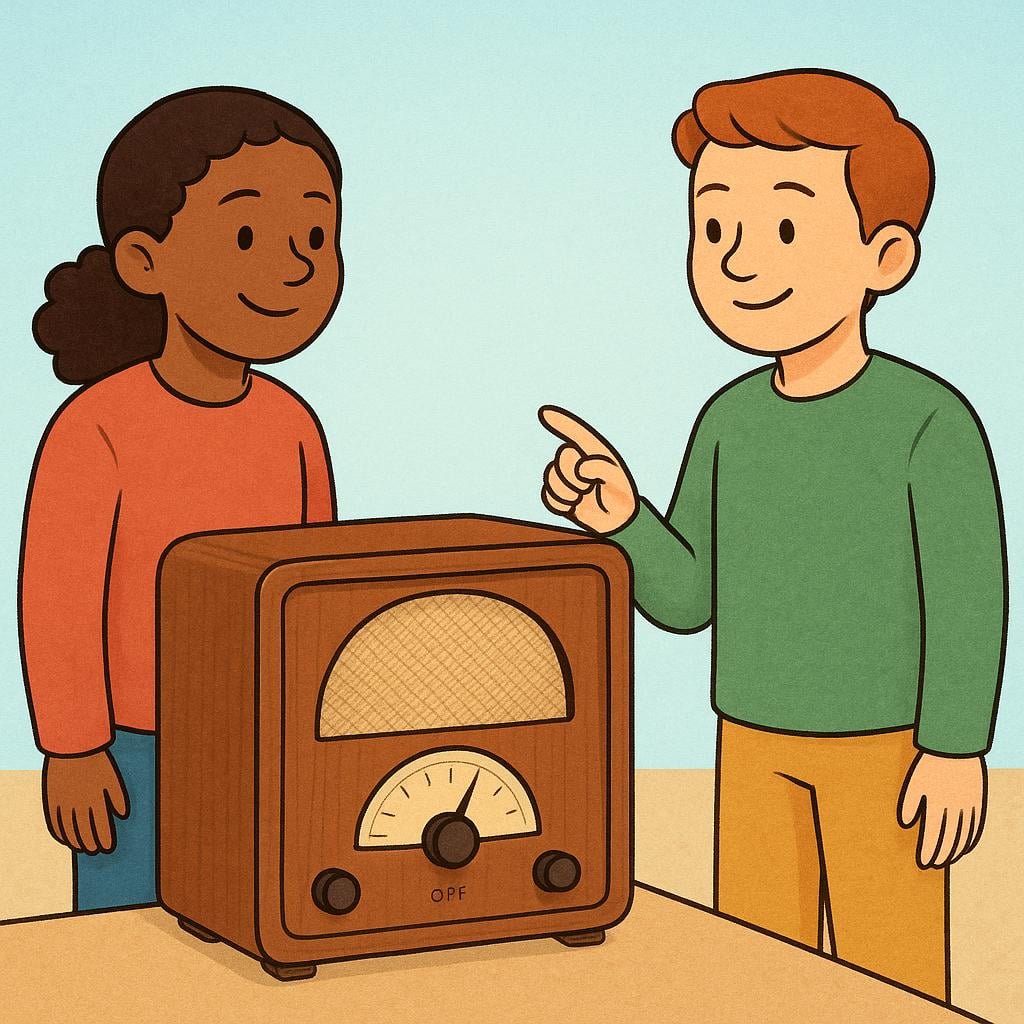
📝 In Action
Ayer, **escuchamos** un concierto increíble en el parque.
A2Yesterday, we listened to an incredible concert in the park.
**Escuchamos** atentamente su discurso y luego aplaudimos.
A2We listened carefully to his speech and then we applauded.
Por primera vez, **escuchamos** lo que tenían que decir los vecinos.
B1For the first time, we listened to what the neighbors had to say.
🔄 Conjugations
indicative
present
imperfect
preterite
subjunctive
present
imperfect
Translate to Spanish
✏️ Quick Practice
Quick Quiz: escuchamos
Question 1 of 2
Which sentence uses 'escuchamos' to describe an action that happened and finished yesterday?
📚 More Resources
👥 Word Family▼
🎵 Rhymes▼
📚 Etymology▼
Comes from the Latin verb *auscultare*, which meant 'to listen attentively' or 'to heed.' It shares roots with the English word 'auscultate,' which doctors use when listening to a patient's lungs or heart.
First recorded: Around the 13th century in Spanish.
Cognates (Related words)
💡 Master Spanish
Take your Spanish to the next level. Read 200+ illustrated and narrated Spanish stories tailored to your level with the Inklingo app!
Frequently Asked Questions
Why does 'escuchamos' mean two different things (we listen and we listened)?
This is a common feature in regular Spanish verbs ending in -ar. The 'we' form for the Present Tense (we listen) and the 'we' form for the Simple Past Tense (we listened) are spelled exactly the same. You have to rely on the rest of the sentence (like time words or context) to know which meaning is intended.
Is 'escuchamos' the only way to say 'we are listening'?
No. While 'Escuchamos' is the simplest and most common way, you can also use the continuous tense: 'Estamos escuchando' (We are being/staying listening). Both are correct, but 'escuchamos' is often preferred for brevity.