escucharon
“escucharon” means “they listened” in Spanish (Completed action in the past).
they listened, they heard
Also: you all listened, you all heard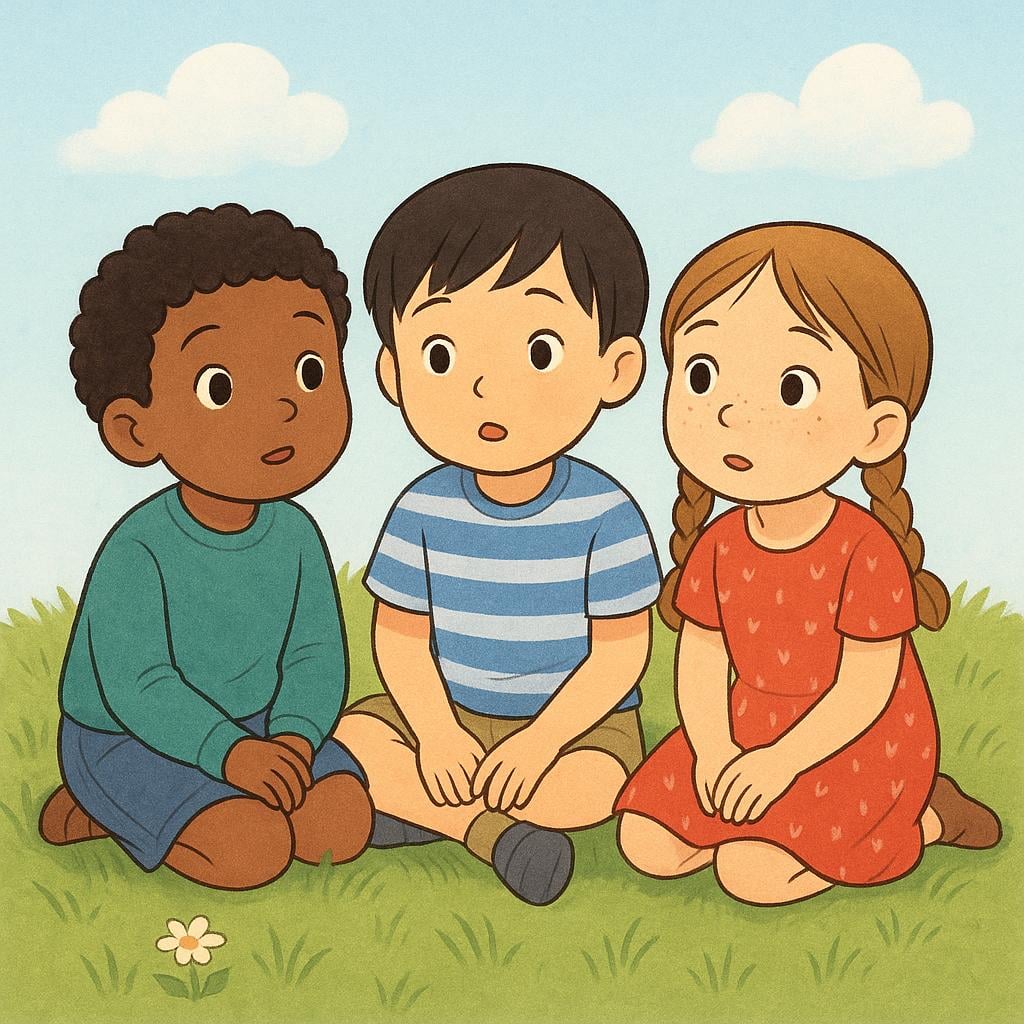
📝 In Action
Ellos escucharon la noticia en la radio.
A1They listened to the news on the radio.
¿Ustedes escucharon ese ruido anoche?
A2Did you all hear that noise last night?
Mis padres me escucharon atentamente cuando conté el problema.
B1My parents listened to me attentively when I told the problem.
🔄 Conjugations
indicative
imperfect
present
preterite
subjunctive
imperfect
present
Translate to Spanish
✏️ Quick Practice
Quick Quiz: escucharon
Question 1 of 1
Which sentence correctly uses 'escucharon'?
📚 More Resources
👥 Word Family▼
📚 Etymology▼
The verb 'escuchar' comes from the Latin word *auscultare*, which originally meant 'to listen attentively' or 'to obey.' This root emphasizes the active nature of listening, rather than just hearing sound.
First recorded: Around the 13th century (in its current form)
Cognates (Related words)
💡 Master Spanish
Take your Spanish to the next level. Read 200+ illustrated and narrated Spanish stories tailored to your level with the Inklingo app!
Frequently Asked Questions
How do I know if 'escucharon' means 'they listened' or 'you all listened'?
You usually know from the context. If the speaker is addressing the group directly, it means 'you all' (ustedes). If the speaker is talking about a third party, it means 'they' (ellos/ellas). For example, if someone says 'Ustedes, ¿escucharon...?' it's clear they mean 'you all'.
Is 'escucharon' the same as 'oían'?
No. 'Escucharon' is the simple past (preterite) for a finished action ('They listened to the announcement once'). 'Oían' is the descriptive past (imperfect) for a continuous action ('They used to hear the noise constantly') and comes from the verb 'oír' (to hear).