exceso
“exceso” means “excess” in Spanish. It has 2 different meanings depending on context:
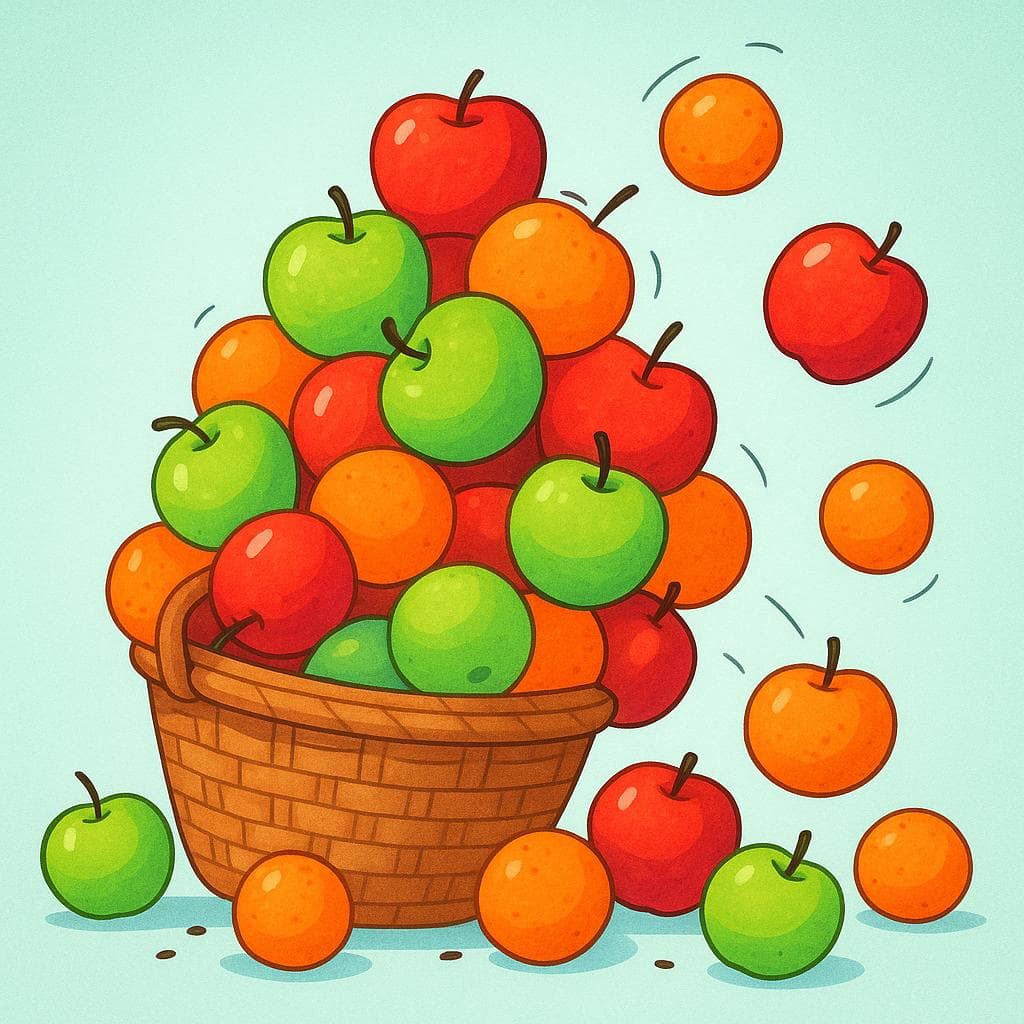
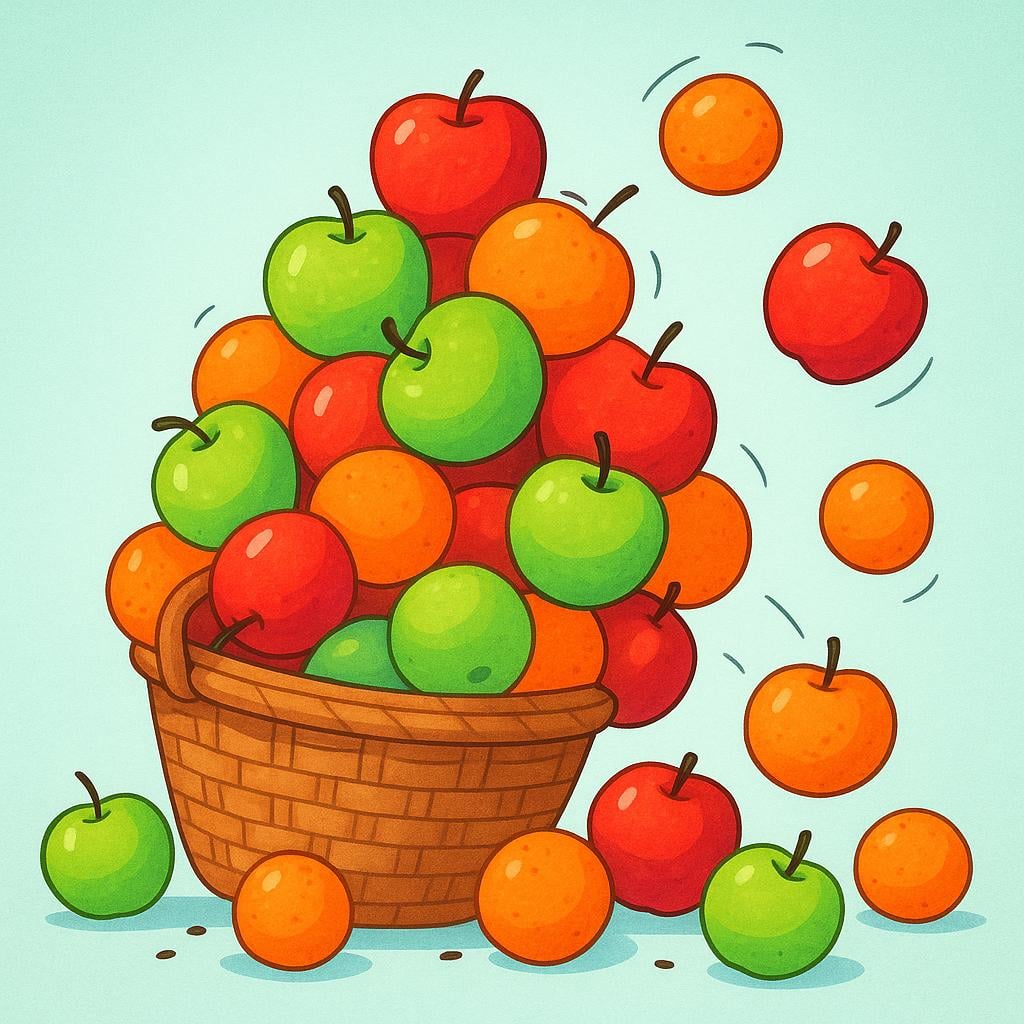
excess, surplusAlso: abundance
📝 In Action
Condujo con exceso de velocidad y le pusieron una multa.
B1He drove with excessive speed and was given a ticket.
Hay un exceso de azúcar en esta receta, es demasiado dulce.
A2There is an excess of sugar in this recipe; it's too sweet.
Debemos evitar el exceso de trabajo para cuidar nuestra salud.
B2We must avoid overworking (an excess of work) to take care of our health.
Word Connections
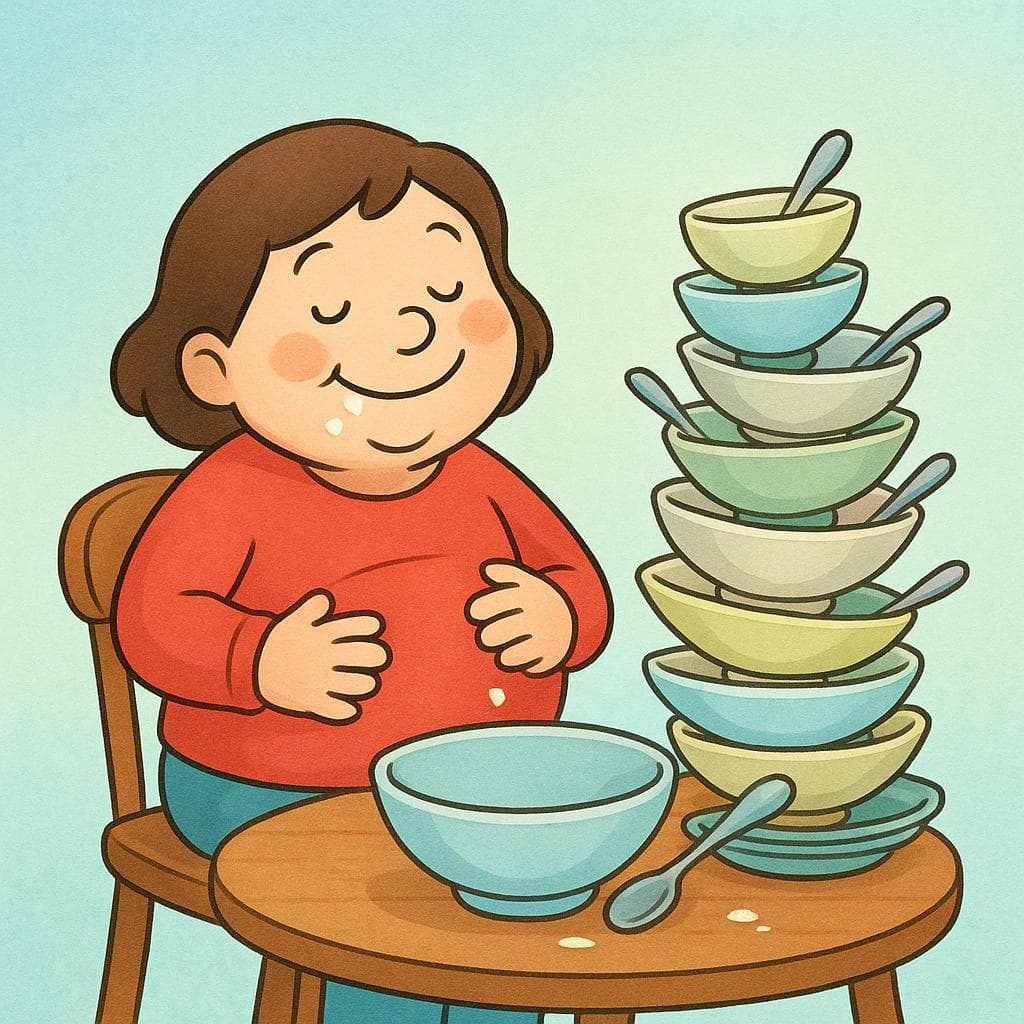
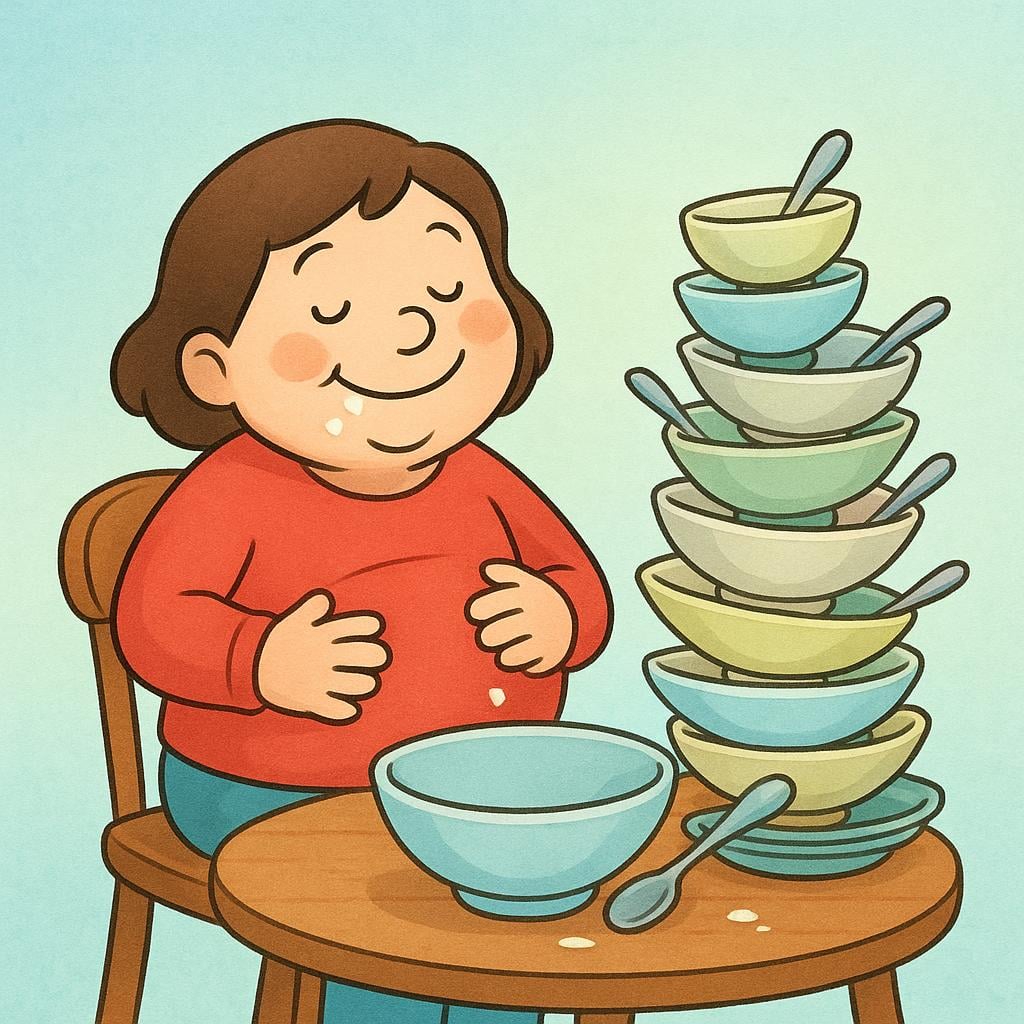
overindulgence, misbehaviorAlso: intemperance
📝 In Action
Sus problemas de salud vinieron después de años de excesos.
B2His health problems came after years of overindulgence (or excesses).
La prensa criticó los excesos cometidos por la celebridad.
C1The press criticized the transgressions committed by the celebrity.
Word Connections
Translate to Spanish
Words that translate to "exceso" in Spanish:
✏️ Quick Practice
Quick Quiz: exceso
Question 1 of 2
Which sentence uses 'exceso' to mean 'overindulgence' or 'bad habits'?
📚 More Resources
📚 Etymology
The word comes directly from the Latin *excessus*, which literally meant 'a going out' or 'a departure.' Over time, this concept of 'going beyond a limit' evolved into the modern sense of 'too much' or 'going too far.'
First recorded: Medieval Latin (into Spanish around the 15th century)
Cognates (Related words)
💡 Master Spanish
Take your Spanish to the next level. Read 200+ illustrated and narrated Spanish stories tailored to your level with the Inklingo app!
Frequently Asked Questions
What is the difference between 'exceso' and 'excesivo'?
'Exceso' is the noun, meaning the quantity itself ('the excess'). 'Excesivo' is the adjective, meaning descriptive ('excessive'). For example: 'Hay un exceso de ruido' (There is an excess of noise) vs. 'El ruido es excesivo' (The noise is excessive).
Is 'exceso' always a negative word?
Usually, yes. It implies going beyond a healthy or acceptable limit. While you could technically say 'un exceso de alegría' (an excess of joy), it still suggests an immoderate amount, which might be viewed as overwhelming or unstable.