sobra
“sobra” means “is left over” in Spanish. It has 2 different meanings depending on context:

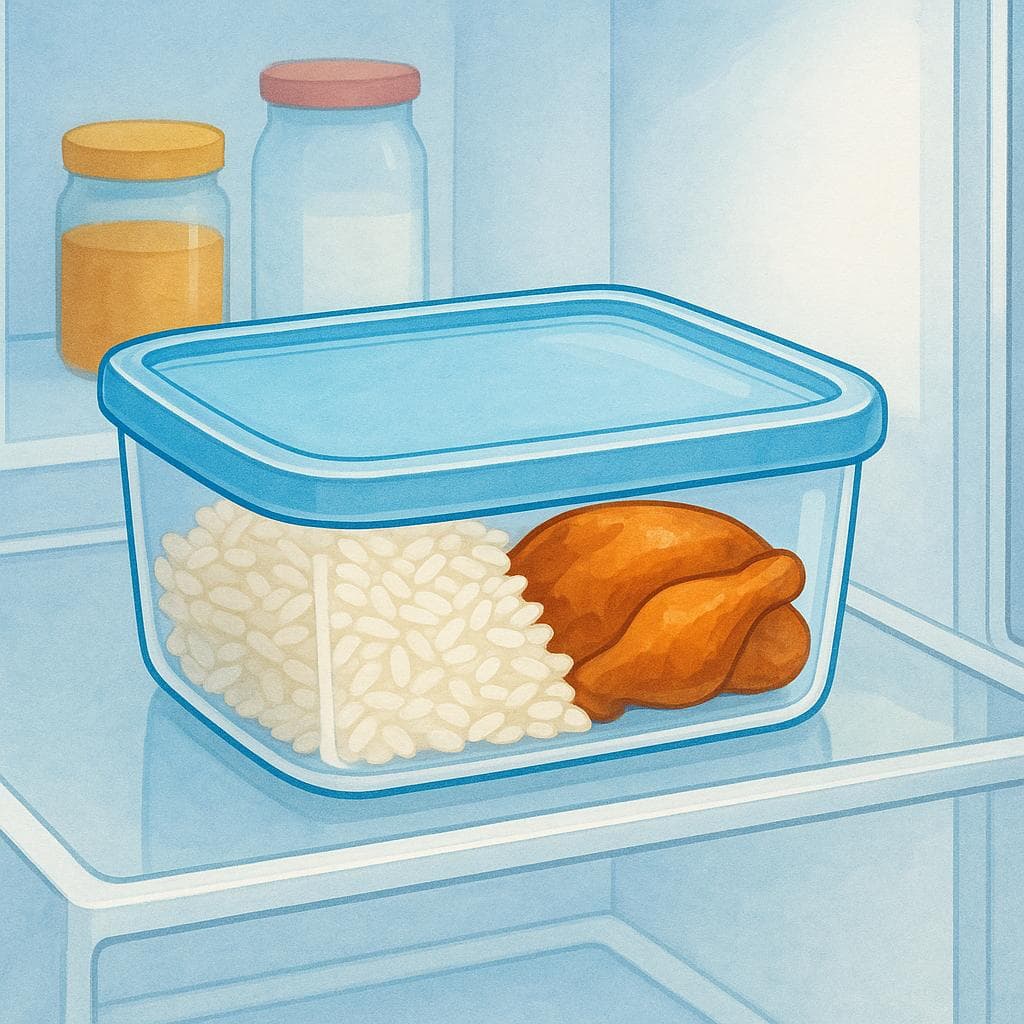
is left over, is in excessAlso: is unnecessary

📝 In Action
Si sobra pastel, lo guardamos para mañana.
A2If there is cake left over, we'll save it for tomorrow.
No te preocupes, el tiempo nos sobra.
B1Don't worry, we have plenty of time (time is in excess for us).
Creo que esa silla ya sobra en esta oficina.
B2I think that chair is unnecessary/extra in this office now.
Word Connections
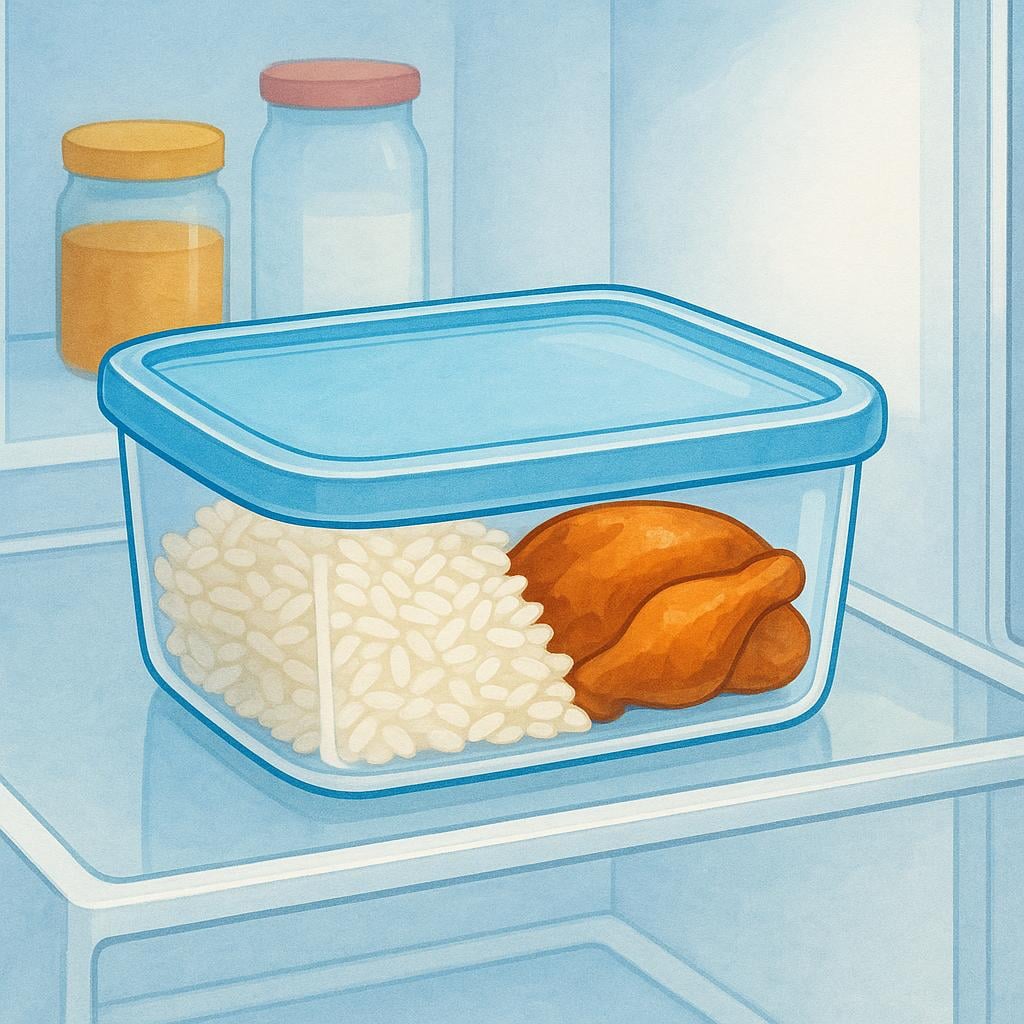
leftoversAlso: excess
📝 In Action
¿Puedes empacar las sobras de la cena?
B1Can you pack up the leftovers from dinner?
No me gusta comer las sobras al día siguiente.
B1I don't like eating leftovers the next day.
La sobra de tela se puede usar para un parche.
B2The excess fabric can be used for a patch.
Word Connections
Indicative
Present
Imperfect
Preterite
Subjunctive
Present Subjunctive
Imperfect Subjunctive
Translate to Spanish
Words that translate to "sobra" in Spanish:
✏️ Quick Practice
Quick Quiz: sobra
Question 1 of 2
Which sentence uses 'sobra' as a noun (leftovers)?
📚 More Resources
👥 Word Family
📚 Etymology
Comes from the Latin verb *superare*, meaning 'to be over' or 'to overcome.' In Spanish, it evolved to refer to anything that remains or is in excess after a need has been met.
First recorded: Medieval Latin period
Cognates (Related words)
💡 Master Spanish
Take your Spanish to the next level. Read 200+ illustrated and narrated Spanish stories tailored to your level with the Inklingo app!
Frequently Asked Questions
How is 'sobra' different from 'falta'?
'Sobra' means there is too much of something (excess), while 'falta' means there is not enough of something (a lack). They are direct opposites! Example: 'Me sobra comida' (I have too much food) vs. 'Me falta comida' (I need food).
Can I use 'sobra' to mean 'I have plenty'?
Yes, absolutely! The construction 'Me sobra...' is a very natural and common way to express that you have an abundance of something, like time, money, or patience.