firmó
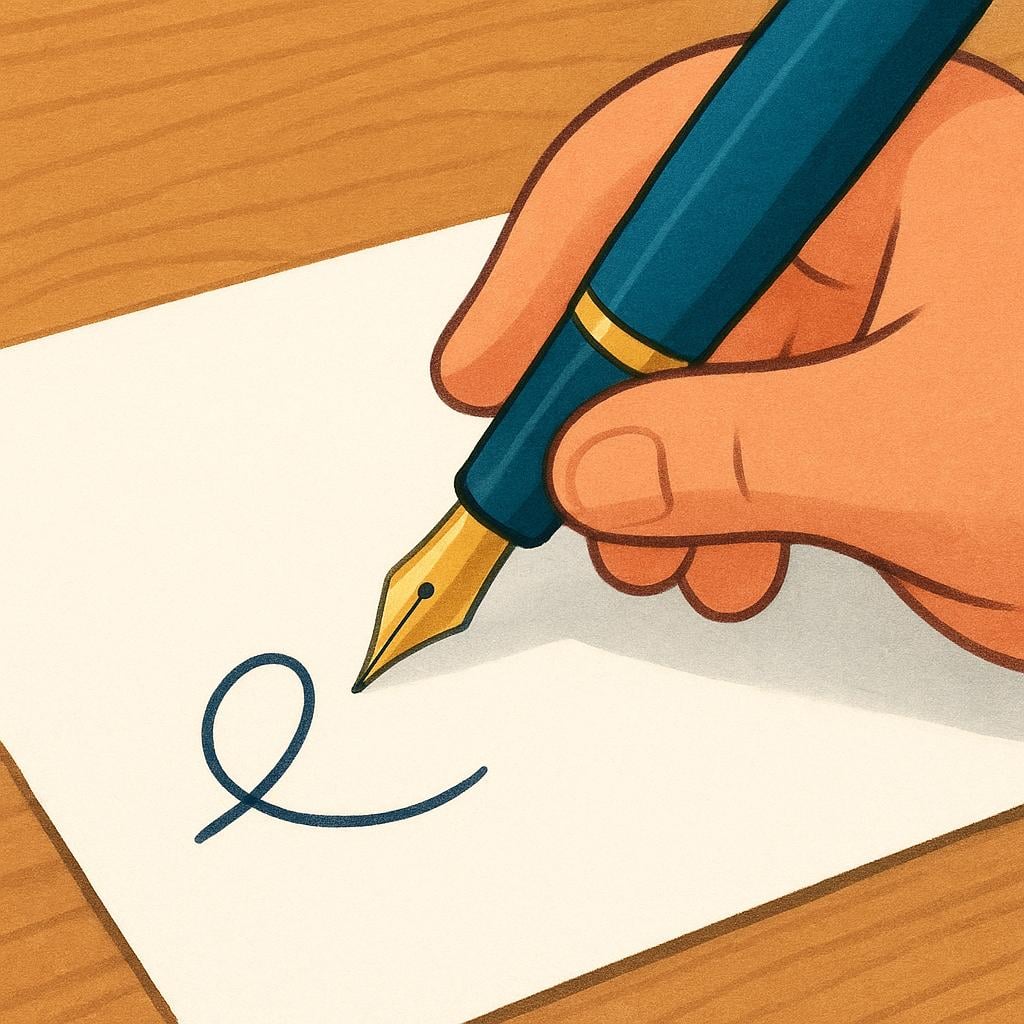
“firmó” means “he signed” in Spanish (past completed action).
he signed, she signed, you signed
📝 In Action
El presidente firmó el nuevo decreto esta mañana.
A2The president signed the new decree this morning.
¿Quién firmó la carta? No reconozco la rúbrica.
B1Who signed the letter? I don't recognize the signature.
Usted firmó el contrato hace dos años, ¿lo recuerda?
B1You signed the contract two years ago, do you remember it?
🔄 Conjugations
subjunctive
imperfect
present
indicative
imperfect
present
preterite
Translate to Spanish
✏️ Quick Practice
Quick Quiz: firmó
Question 1 of 1
Which sentence correctly uses 'firmó'?
📚 More Resources
👥 Word Family▼
📚 Etymology▼
Comes from the Latin verb *firmare*, meaning 'to make firm, strengthen, or confirm'. Over time, its meaning evolved in Spanish to specifically refer to confirming a document with a personal mark or signature.
First recorded: Medieval Spanish
Cognates (Related words)
💡 Master Spanish
Take your Spanish to the next level. Read 200+ illustrated and narrated Spanish stories tailored to your level with the Inklingo app!
Frequently Asked Questions
What is the difference between 'firmó' and 'firmaba'?
'Firmó' is the simple past (Preterite) and describes a single, finished action that happened at a specific time ('He signed the check'). 'Firmaba' is the descriptive past (Imperfect) and describes ongoing or repeated actions ('He used to sign many checks').
Is 'firmó' a regular verb form?
Yes, 'firmó' comes from the verb 'firmar', which is a fully regular '-ar' verb. This makes all of its conjugations predictable and easy to learn.