fracasado
“fracasado” means “failed” in Spanish. It has 2 different meanings depending on context:

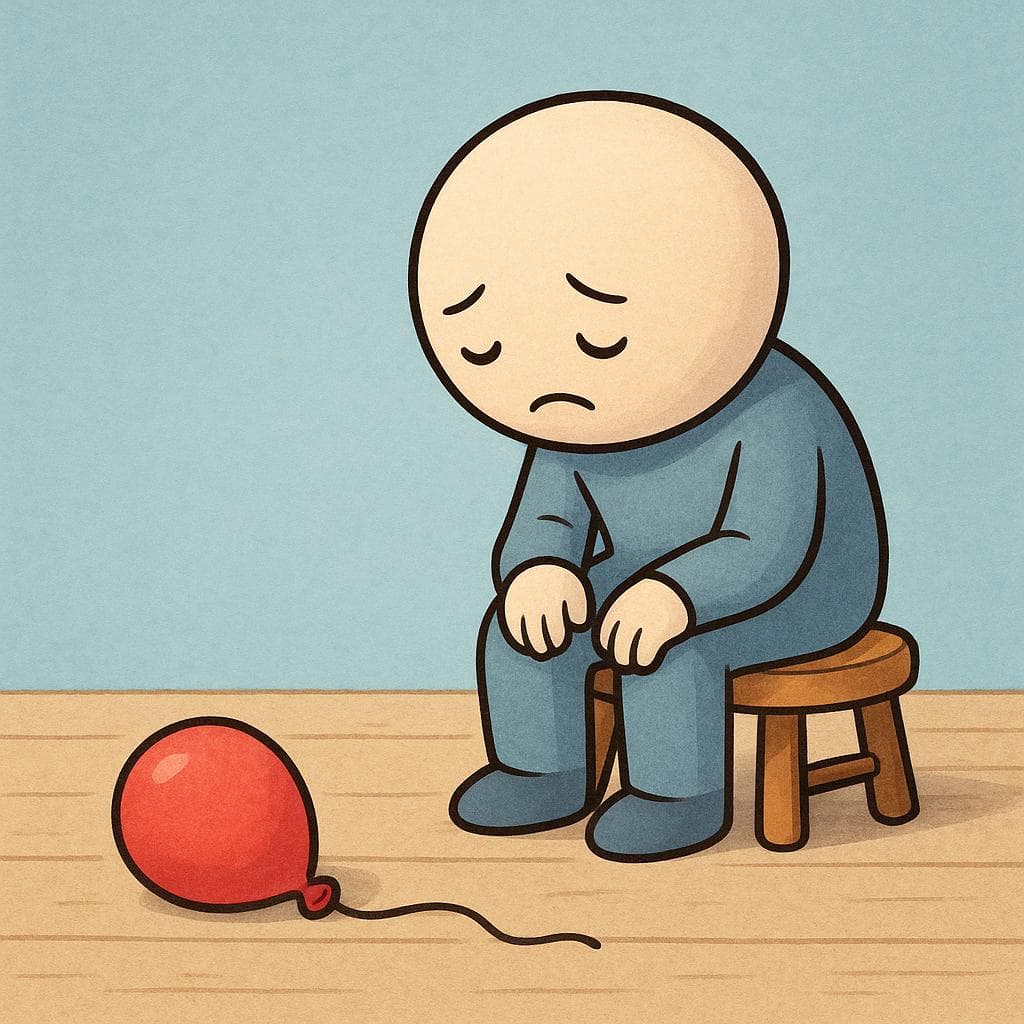
failed, unsuccessfulAlso: busted

📝 In Action
El lanzamiento del producto fue fracasado, perdimos mucho dinero.
B1The product launch was unsuccessful (failed); we lost a lot of money.
Su intento de convencer al jefe resultó fracasado.
B2His attempt to convince the boss turned out to be a failure.
La misión se consideró fracasada antes de que terminara.
B2The mission was considered failed before it even finished.
failure, loserAlso: flop

📝 In Action
No quiero que pienses que soy un fracasado solo por este error.
B2I don't want you to think I'm a failure just because of this mistake.
Ella teme convertirse en una fracasada si no consigue ese trabajo.
C1She fears becoming a failure if she doesn't get that job.
Word Connections
Translate to Spanish
✏️ Quick Practice
Quick Quiz: fracasado
Question 1 of 2
Which sentence correctly uses the noun form of 'fracasado'?
📚 More Resources
📚 Etymology
The word comes from the Spanish verb 'fracasar,' which itself evolved from the Italian word 'fracassare,' meaning 'to smash' or 'to break into pieces.' The concept moved from physically breaking something to having one's plans or efforts 'break down' or fail.
First recorded: 16th century
Cognates (Related words)
💡 Master Spanish
Take your Spanish to the next level. Read 200+ illustrated and narrated Spanish stories tailored to your level with the Inklingo app!
Frequently Asked Questions
What is the difference between 'fracasado' and 'fracaso'?
'Fracaso' (noun) means 'failure' or 'fiasco'—it is the outcome or the event itself. 'Fracasado' is the adjective or noun describing the person or thing that experienced the failure (e.g., 'el fracaso del plan' vs. 'el plan fracasado').
Can 'fracasado' be used for things other than people?
Yes, absolutely! It is very common to use 'fracasado' as an adjective to describe projects, businesses, attempts, or even entire endeavors that did not succeed.