gritar
“gritar” means “to shout” in Spanish. It has 2 different meanings depending on context:

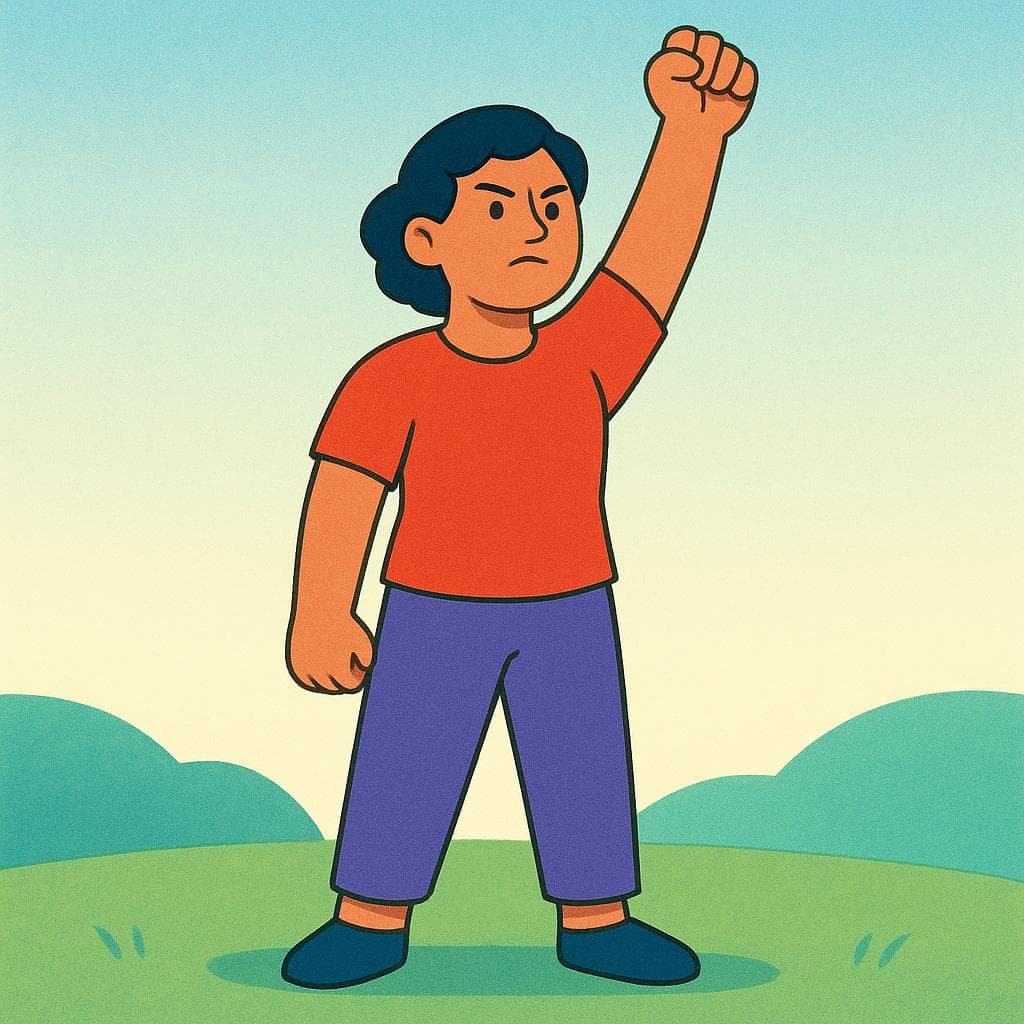
to shout, to yellAlso: to scream

📝 In Action
¡No grites! Te puedo oír perfectamente.
A1Don't shout! I can hear you perfectly.
El niño gritó de alegría cuando vio el regalo.
A2The boy yelled with joy when he saw the present.
Están gritando el nombre del ganador desde el escenario.
A2They are shouting the winner's name from the stage.
Word Connections
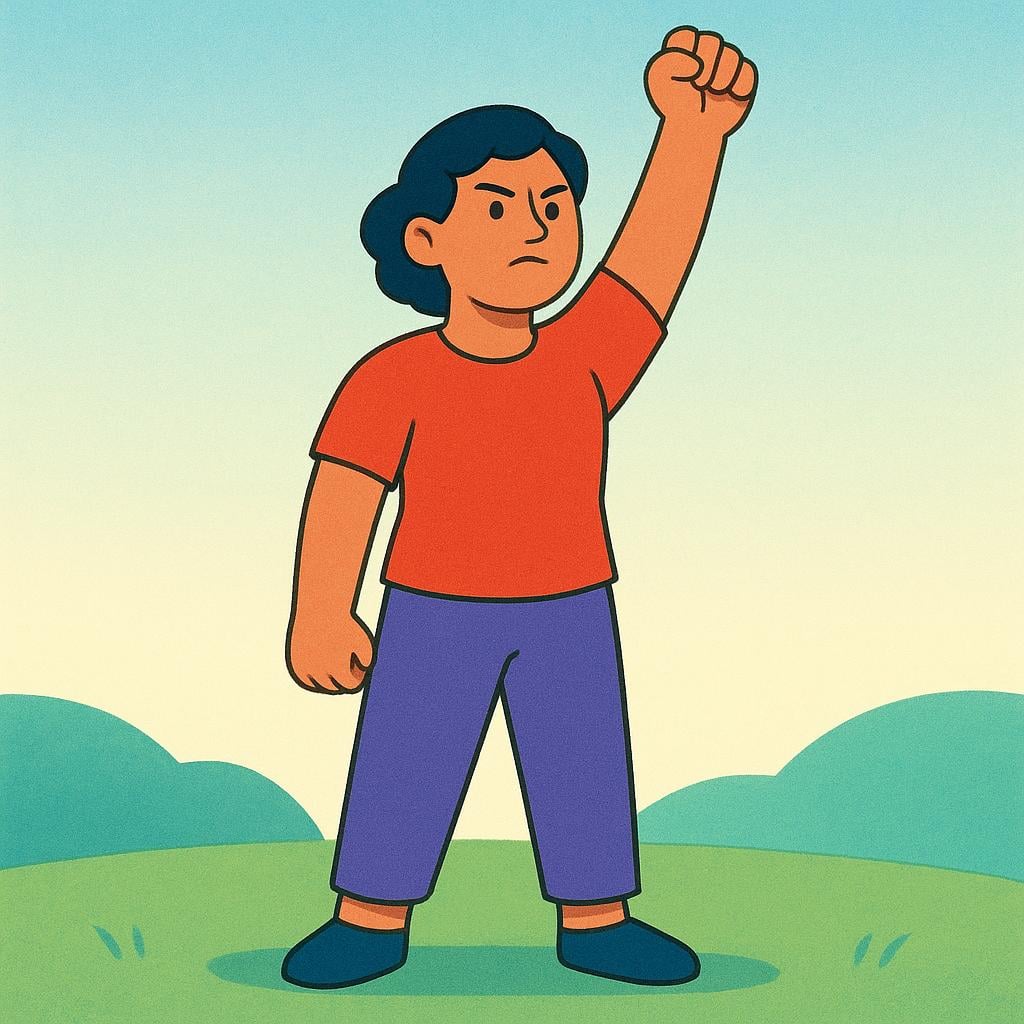
to protest, to demand recognitionAlso: to cry out
📝 In Action
Los ciudadanos salieron a gritar contra la corrupción del gobierno.
B2The citizens went out to protest against the government's corruption.
Su silencio grita su culpabilidad.
C1His silence screams (implies) his guilt.
Word Connections
Indicative
Present
Imperfect
Preterite
Subjunctive
Present Subjunctive
Imperfect Subjunctive
Translate to Spanish
Words that translate to "gritar" in Spanish:
🗣️ Practice in a Tongue Twister
✏️ Quick Practice
Quick Quiz: gritar
Question 1 of 1
Which sentence correctly uses the figurative meaning of 'gritar' (to demand attention)?
📚 More Resources
👥 Word Family
📚 Etymology
The word comes from a root meaning 'to cry out.' It likely derives from a Vulgar Latin verb *critare*, possibly influenced by Germanic words related to making noise.
First recorded: Medieval Spanish (around 13th century)
Cognates (Related words)
💡 Master Spanish
Take your Spanish to the next level. Read 200+ illustrated and narrated Spanish stories tailored to your level with the Inklingo app!
Frequently Asked Questions
What is the difference between 'gritar' and 'chillar'?
'Gritar' is the general term for raising your voice loudly (yelling). 'Chillar' is usually higher-pitched, like a shriek or screech, often associated with excitement, fear, or annoyance.
Can 'gritar' be used reflexively (gritarse)?
Yes, 'gritarse' is used when two or more people are shouting at each other: 'Ellos se gritaron toda la noche' (They yelled at each other all night).