héroe
“héroe” means “hero” in Spanish. It has 2 different meanings depending on context:
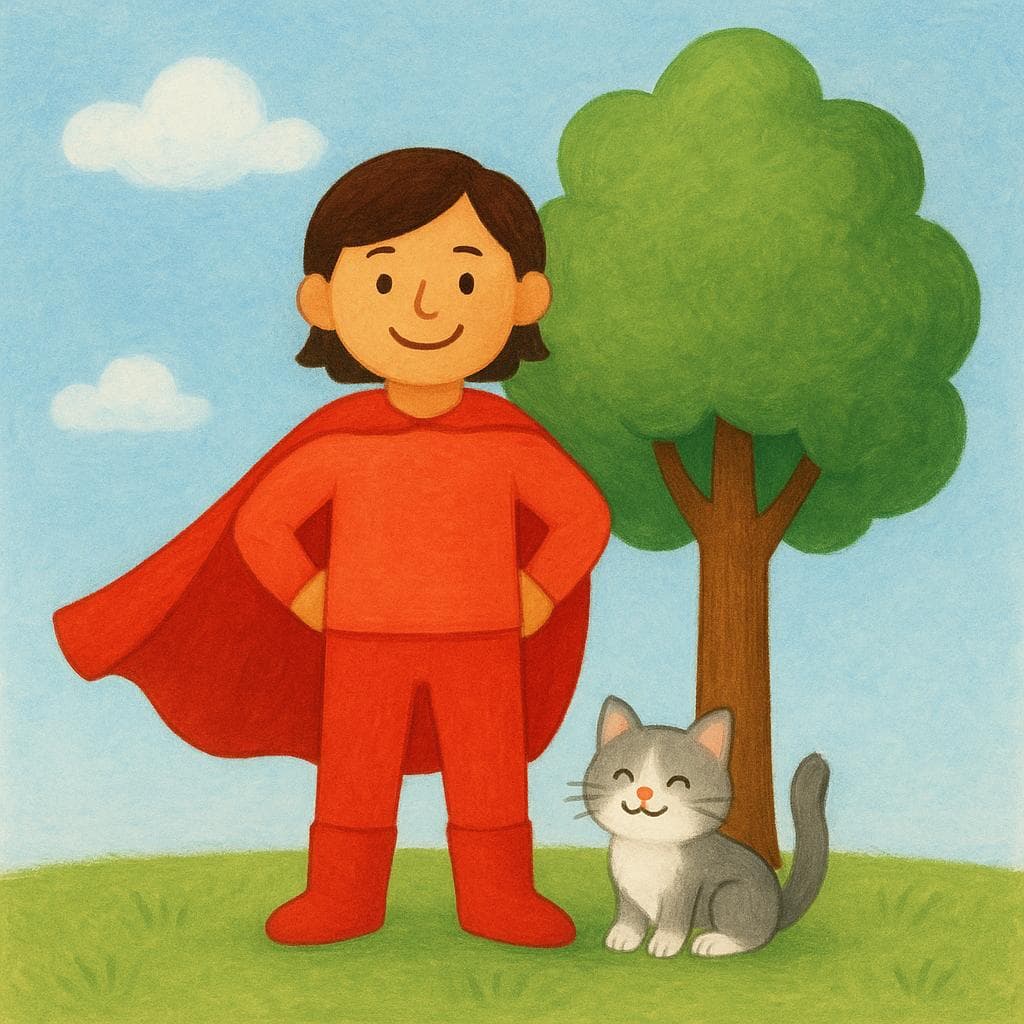

hero
Also: idol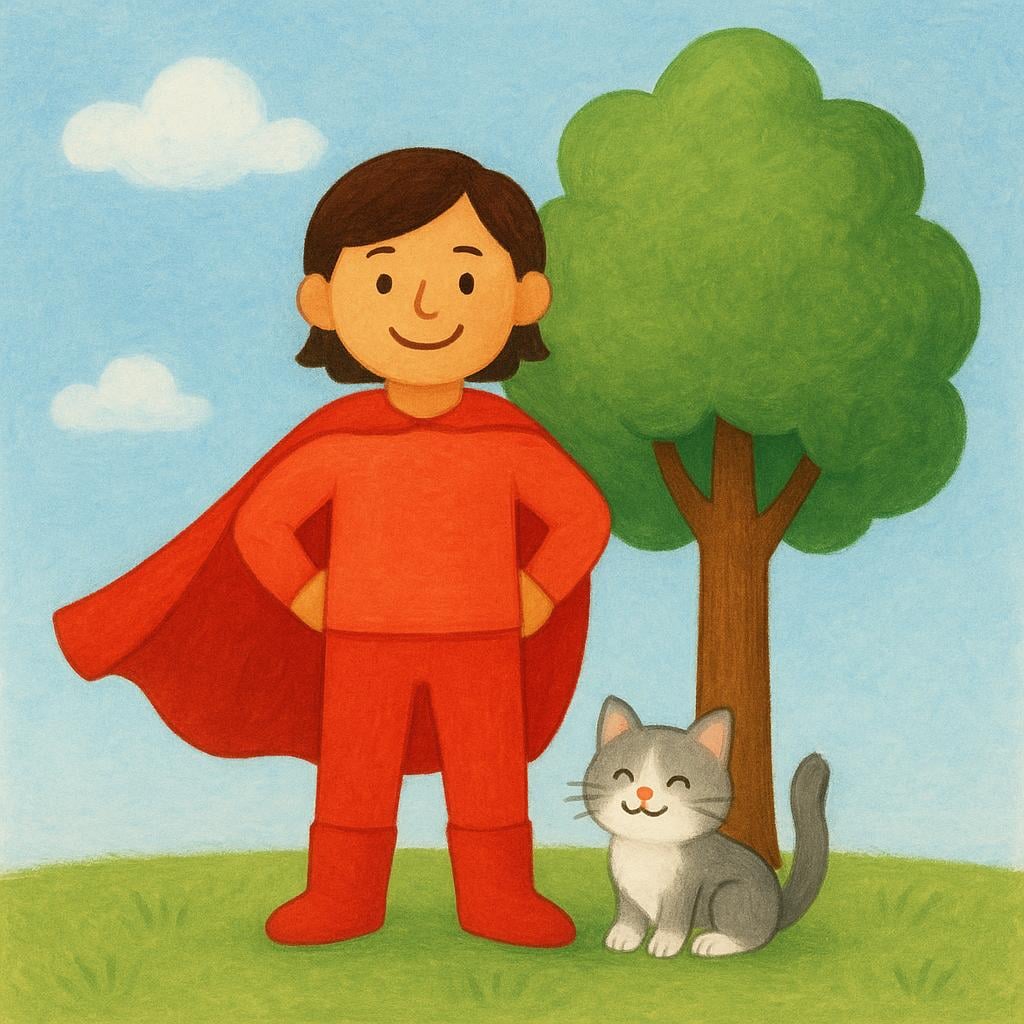
📝 In Action
El bombero fue un héroe al salvar a la familia del incendio.
A2The firefighter was a hero for saving the family from the fire.
Mi abuela es mi héroe personal; ella ha superado muchos desafíos.
B1My grandmother is my personal hero; she has overcome many challenges.
hero
Also: leading man
📝 In Action
El héroe de la novela tuvo que viajar a tierras lejanas.
B1The hero of the novel had to travel to distant lands.
En la mitología griega, Hércules es un famoso héroe.
B2In Greek mythology, Hercules is a famous hero.
✏️ Quick Practice
Quick Quiz: héroe
Question 1 of 2
Which sentence correctly uses the word 'héroe'?
📚 More Resources
👥 Word Family▼
📚 Etymology▼
Comes directly from the Latin word 'hēros,' which itself was borrowed from the ancient Greek word 'hērōs.' It originally meant a demigod, warrior, or a person given divine honors after death.
First recorded: Around the 13th century in Spanish.
Cognates (Related words)
💡 Master Spanish
Take your Spanish to the next level. Read 200+ illustrated and narrated Spanish stories tailored to your level with the Inklingo app!
Frequently Asked Questions
How do I make 'héroe' plural?
The plural is 'héroes'. Since it ends in a vowel, you add '-s' but because of the stress pattern and the vowel combination, it’s treated slightly irregularly. Just remember the full word: 'héroe' (singular) -> 'héroes' (plural).
If a woman performs a heroic deed, should I call her 'héroe' or 'heroína'?
Both are acceptable. 'Heroína' is the correct feminine term (heroine). However, it is very common in modern Spanish to use the masculine 'héroe' for people of any gender when referring to the admired quality or achievement.