hadas
“hadas” means “fairies” in Spanish (mythical beings).
fairies
Also: fays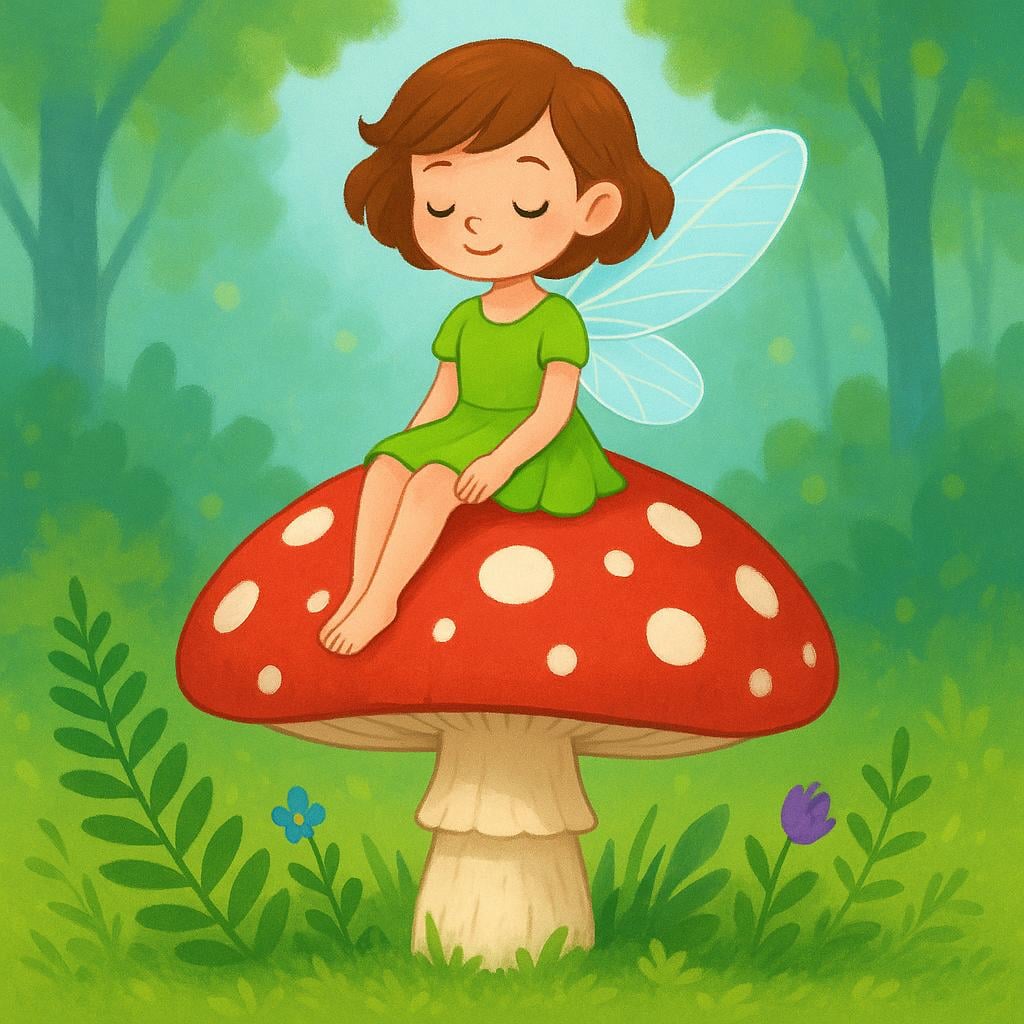
📝 In Action
Mi hija cree que las hadas viven en el bosque.
A1My daughter believes that fairies live in the forest.
Las hadas madrinas son comunes en los cuentos de Disney.
A2Fairy godmothers are common in Disney stories.
Se dice que estas criaturas tienen poderes mágicos y hacen el bien.
B1It is said that these creatures have magical powers and do good.
✏️ Quick Practice
Quick Quiz: hadas
Question 1 of 1
Which sentence correctly describes the singular form of 'hadas'?
📚 More Resources
👥 Word Family▼
🎵 Rhymes▼
📚 Etymology▼
The word comes from the Latin term *fata*, which originally meant 'the fates' or 'destiny.' This concept evolved over centuries in Romance languages to refer to a beautiful, powerful, magical being.
First recorded: Medieval Spanish (documented in early fairy tales and romance literature)
Cognates (Related words)
💡 Master Spanish
Take your Spanish to the next level. Read 200+ illustrated and narrated Spanish stories tailored to your level with the Inklingo app!
Frequently Asked Questions
Does 'hadas' have a verb meaning?
While there is an extremely rare, archaic verb 'hadar' (to destine), 'hadas' is overwhelmingly used as the plural noun meaning 'fairies' in modern Spanish.