igualmente
“igualmente” means “you too” in Spanish. It has 2 different meanings depending on context:
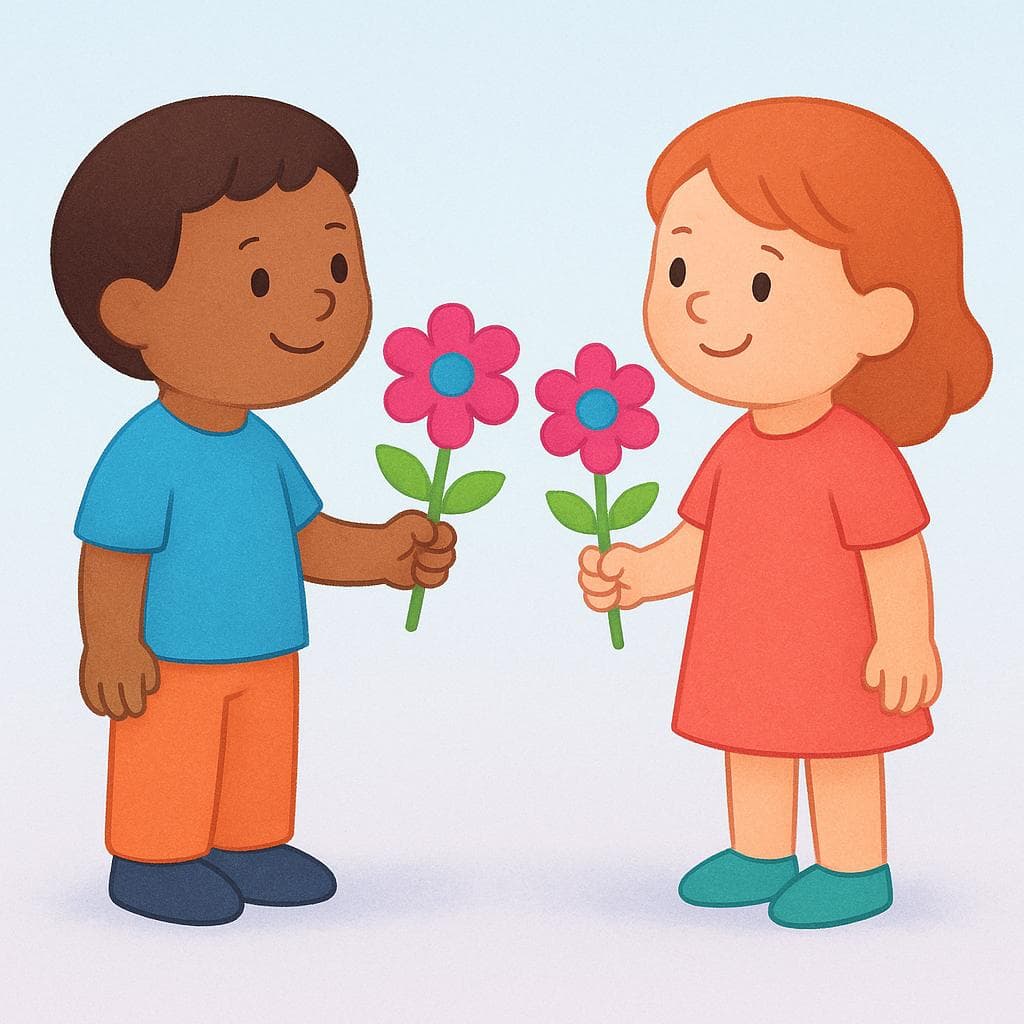

you too, likewiseAlso: same to you

📝 In Action
¡Que tengas un buen fin de semana! — ¡Igualmente!
A2Have a good weekend! — You too! / Likewise!
Fue un placer conocerte. — Igualmente.
A2It was a pleasure meeting you. — Likewise.
Espero que te vaya bien en el examen. — Gracias, ¡igualmente!
B1I hope the exam goes well for you. — Thanks, same to you!
Word Connections
equally, similarlyAlso: just as much

📝 In Action
Ambos hermanos son talentosos; Juan canta bien, e igualmente, María toca el piano.
B2Both siblings are talented; Juan sings well, and similarly, Maria plays the piano.
La ley debe aplicarse igualmente a todos los ciudadanos.
B1The law must be applied equally to all citizens.
Los tres participantes contribuyeron igualmente al éxito del proyecto.
B1The three participants contributed equally to the project's success.
Word Connections
✏️ Quick Practice
Quick Quiz: igualmente
Question 1 of 1
Which sentence uses 'igualmente' to mean 'equally' (Definition 2)?
📚 More Resources
🎵 Rhymes
📚 Etymology
Formed by combining the Spanish adjective *igual* (equal), which comes from the Latin *aequalis*, and the common adverb suffix *-mente* (from the Latin word for 'mind' or 'manner'). It literally means 'in an equal manner.'
First recorded: Medieval Spanish
Cognates (Related words)
💡 Master Spanish
Take your Spanish to the next level. Read 200+ illustrated and narrated Spanish stories tailored to your level with the Inklingo app!
Frequently Asked Questions
When should I use 'igualmente' instead of 'tú también'?
When responding to a compliment, a greeting, or a wish (like 'Have a nice day'), 'igualmente' is much more natural, concise, and polite than saying 'tú también' (you also). 'Tú también' is usually reserved for agreeing with someone's action or feeling.
Can 'igualmente' be used at the beginning of a sentence?
Yes, especially when using the meaning 'similarly' or 'in the same way.' For example, 'Igualmente, debemos considerar el impacto ambiental' (Similarly, we must consider the environmental impact).