importaba
“importaba” means “mattered” in Spanish. It has 2 different meanings depending on context:

mattered, was important
Also: used to matter
📝 In Action
No me importaba lo que pensaran los demás.
A2I didn't care (it didn't matter to me) what others thought.
A ella le importaba mucho su trabajo.
B1Her job was very important to her.
Antes no nos importaba el dinero.
A2Money didn't matter to us before.
was importing, used to import
Also: was bringing in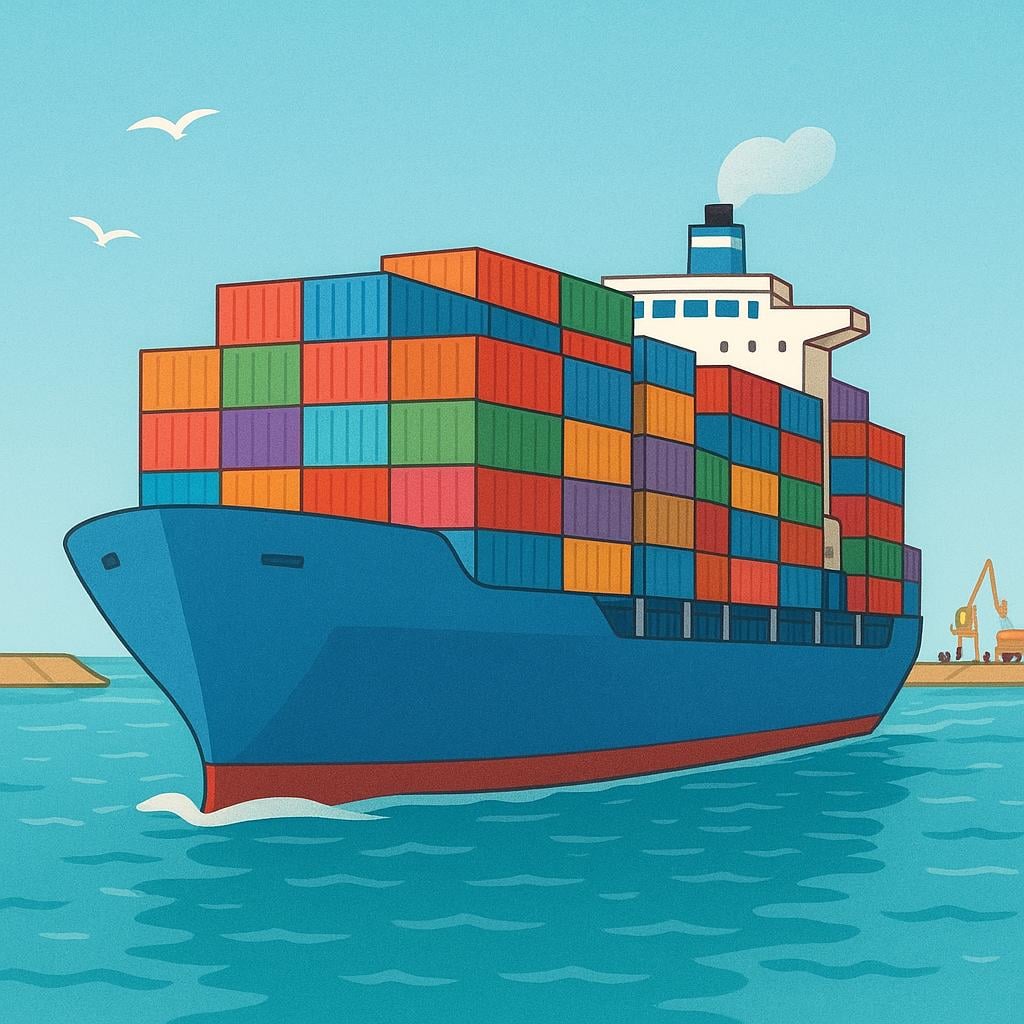
📝 In Action
La compañía importaba fruta de Chile cada mes.
B1The company was importing (used to import) fruit from Chile every month.
Yo importaba café antes de la crisis.
B2I used to import coffee before the crisis.
Indicative
Present
Imperfect
Preterite
Subjunctive
Present Subjunctive
Imperfect Subjunctive
Translate to Spanish
✏️ Quick Practice
Quick Quiz: importaba
Question 1 of 1
Which sentence uses 'importaba' to mean 'to matter'?
📚 More Resources
👥 Word Family▼
📚 Etymology▼
Comes from the Latin *importare*, meaning 'to carry in' or 'to bring into.' This root explains both meanings: bringing goods into a country, and bringing significance (importance) into a situation.
First recorded: 15th century (in Spanish)
Cognates (Related words)
💡 Master Spanish
Take your Spanish to the next level. Read 200+ illustrated and narrated Spanish stories tailored to your level with the Inklingo app!
Frequently Asked Questions
Why does 'importaba' translate to 'I didn't care' sometimes?
Because 'importaba' is most often used in the negative with the first-person pronoun: 'No me importaba' (It didn't matter to me). Since 'to matter' and 'to care' are closely linked when talking about feelings, 'I didn't care' is the most natural English translation for this common phrase in the past.
What is the difference between 'importaba' and 'importó'?
'Importaba' (Imperfect tense) describes something that was important over a long period, or a general background state in the past. 'Importó' (Preterite tense) describes a single, finished event, like 'The result mattered once' or 'He imported one specific shipment.'