instintos
“instintos” means “instincts” in Spanish (natural behavior or urges).
instincts
Also: gut feelings, urges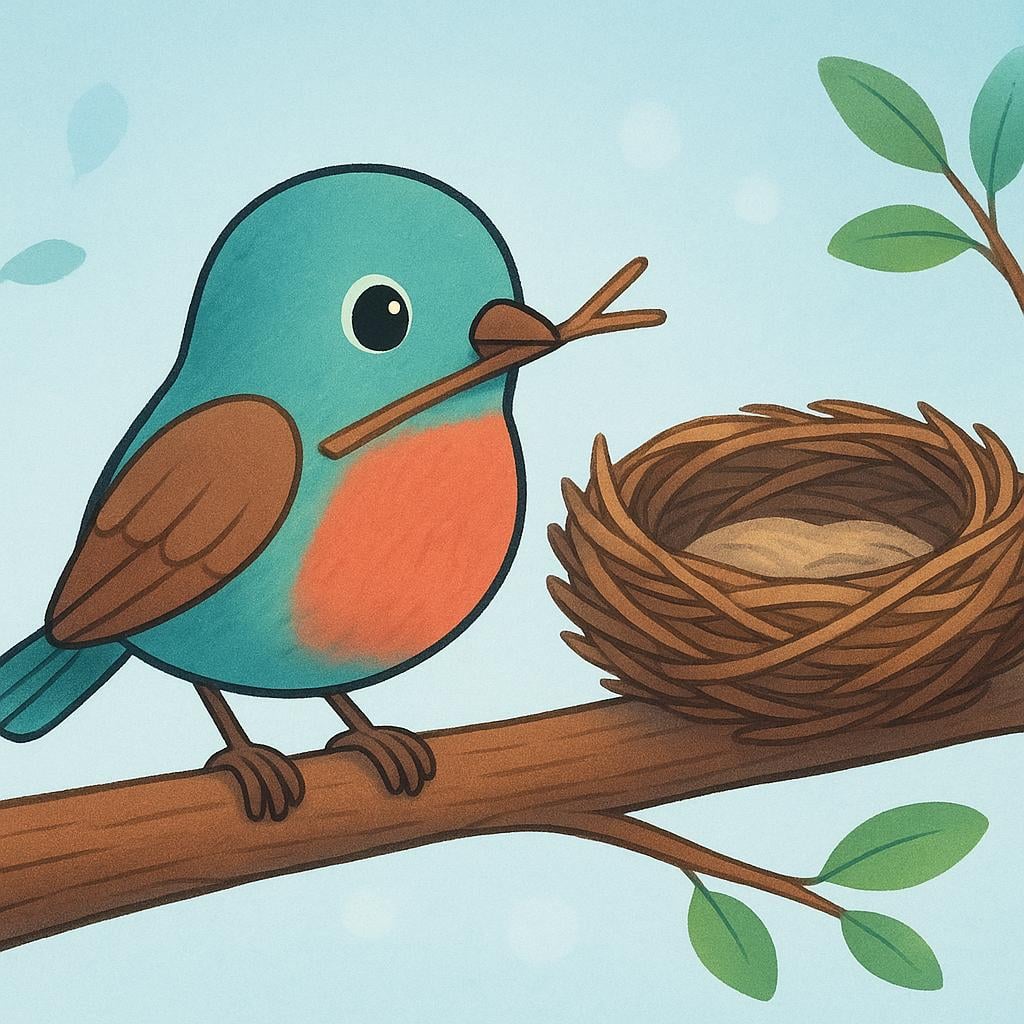
📝 In Action
Los animales siguen sus instintos para encontrar comida.
A2Animals follow their instincts to find food.
Tienes que confiar en tus instintos; casi siempre son correctos.
B1You have to trust your gut feelings; they are almost always correct.
El instinto maternal es muy fuerte en muchas especies.
B2The maternal instinct is very strong in many species.
Translate to Spanish
✏️ Quick Practice
Quick Quiz: instintos
Question 1 of 2
Which sentence correctly uses 'instintos'?
📚 More Resources
👥 Word Family▼
🎵 Rhymes▼
📚 Etymology▼
This word comes from the Latin word *instinctus*, meaning 'impulse' or 'instigation.' It refers to an inner drive that pushes you to act without needing to learn how.
First recorded: 15th century (as instinto in Spanish)
Cognates (Related words)
💡 Master Spanish
Take your Spanish to the next level. Read 200+ illustrated and narrated Spanish stories tailored to your level with the Inklingo app!
Frequently Asked Questions
Is 'instintos' the same as 'intuición'?
They are very similar! 'Instintos' usually refers to deep, biological urges (like a survival instinct), while 'intuición' (intuition) is more often used for a sudden, unexplained feeling or hunch about a situation or person.
How do I refer to just one instinct (singular)?
The singular form is 'instinto' (el instinto), meaning 'the instinct' or 'the urge.' Remember it remains masculine.